
IMANI’s 2025 Annual Report: A Year of Evidence, Engagement and Impact
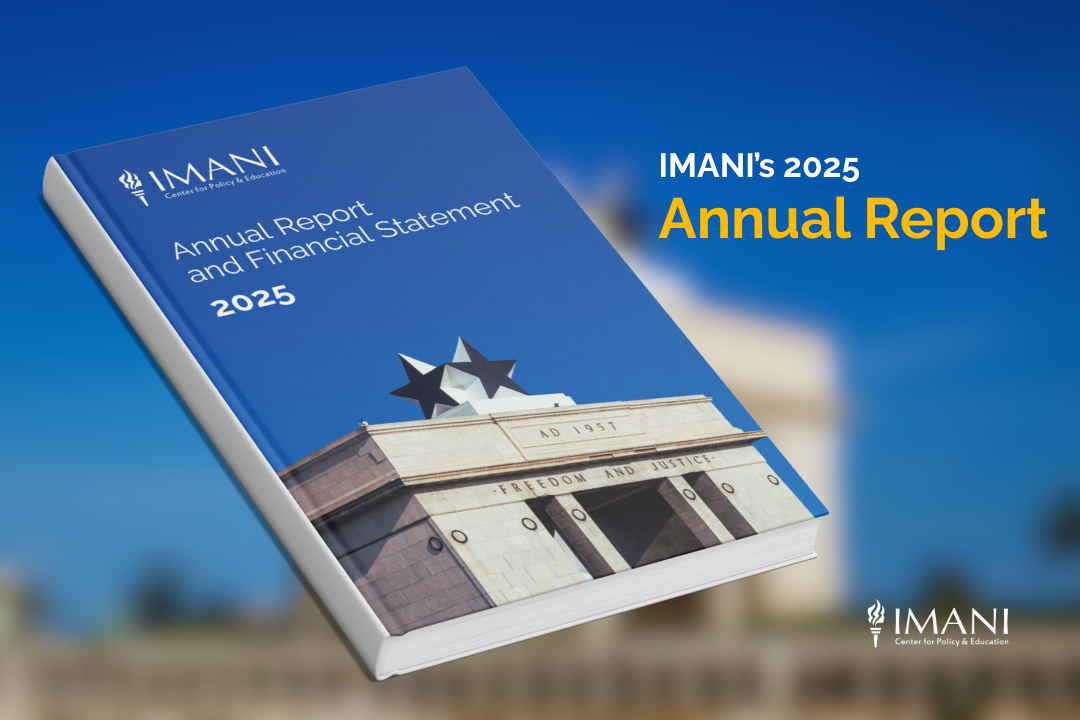
The year 2025 was a defining one for Ghana’s governance, economic management, and public accountability landscape, and for IMANI Centre for Policy and Education, it was a year of purposeful engagement, rigorous analysis, and measurable impact. At a time of heightened public scrutiny and high-stakes policy decisions, we remained committed to our mission of subjecting […]
Activists Push Back Against Ghana’s Mining Minister Over Policy Direction

Timeline In Ghana, the Minister for Lands and Natural Resources has oversight responsibility for all mining activities in the country. He is ultimately responsible for negotiating a lease agreement for the country’s first lithium mine with Barari DV, the local entity of Atlantic Lithium Limited. The Minerals Commission basically works at his behest. He is […]
Democratic Governance and Political Stability in West Africa and Beyond Must Be an Imperative Foreign Policy for President Mahama
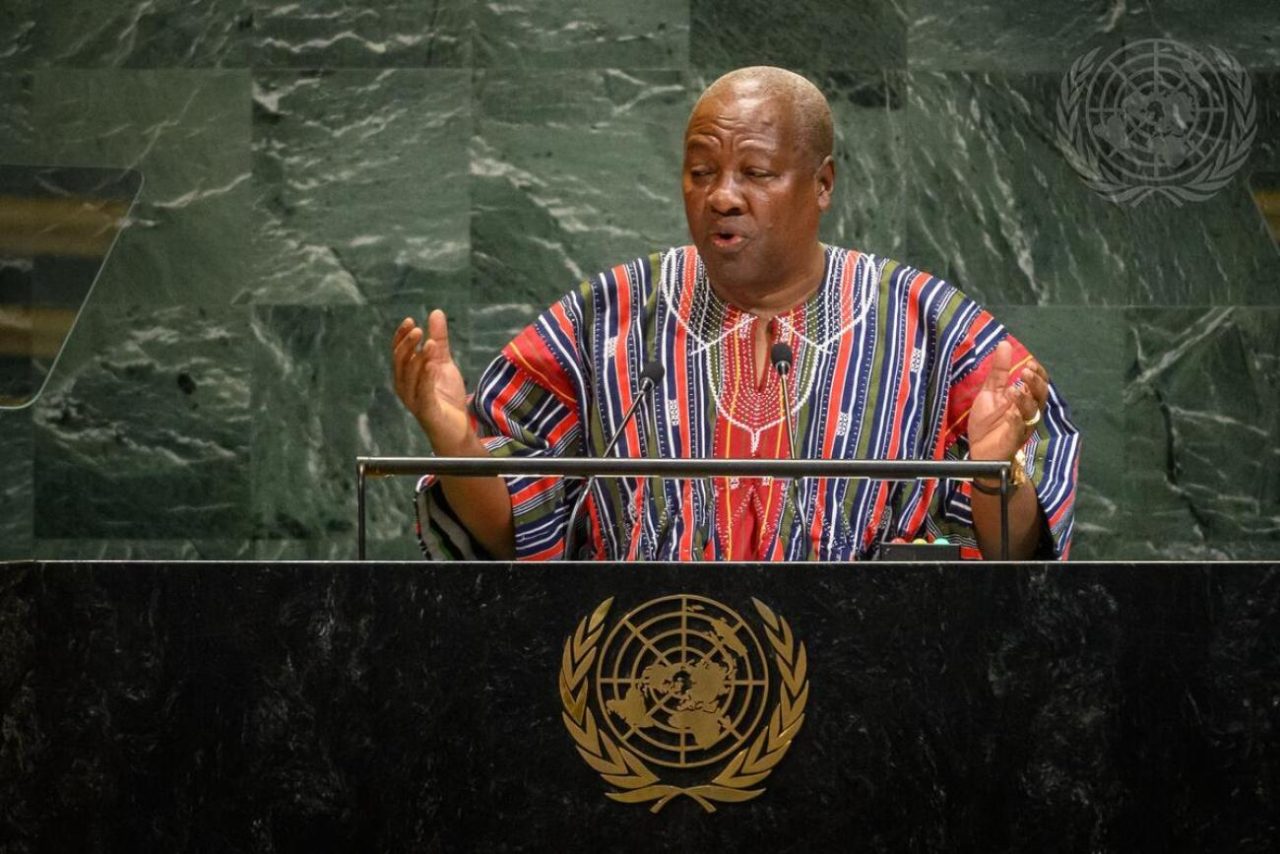
President Mahama’s early diplomatic travels following his 2024 election victory signalled Ghana’s intent to strengthen ties across West Africa. His visits to neighbouring states and the presence of regional leaders at his inauguration reflected goodwill and recognition of Ghana’s democratic credentials. Yet, within a year, the sub-region has witnessed escalating instability: coups, electoral manipulation, insurgent […]
The Great AI Race: Why the World Needs More Than Just Chatbots to Bridge the Gap

We are currently living through a technological shift moving at breakneck speed. The telephone took 75 years to reach 100 million users and the internet took seven years, yet some frontier Chatbots hit that milestone in just two months. As artificial intelligence reshapes how we work, learn, and live, a question emerged is whether this […]
Parliament Withdraws Lithium Mining Agreement Following IMANI’s Policy Engagement with the Presidency
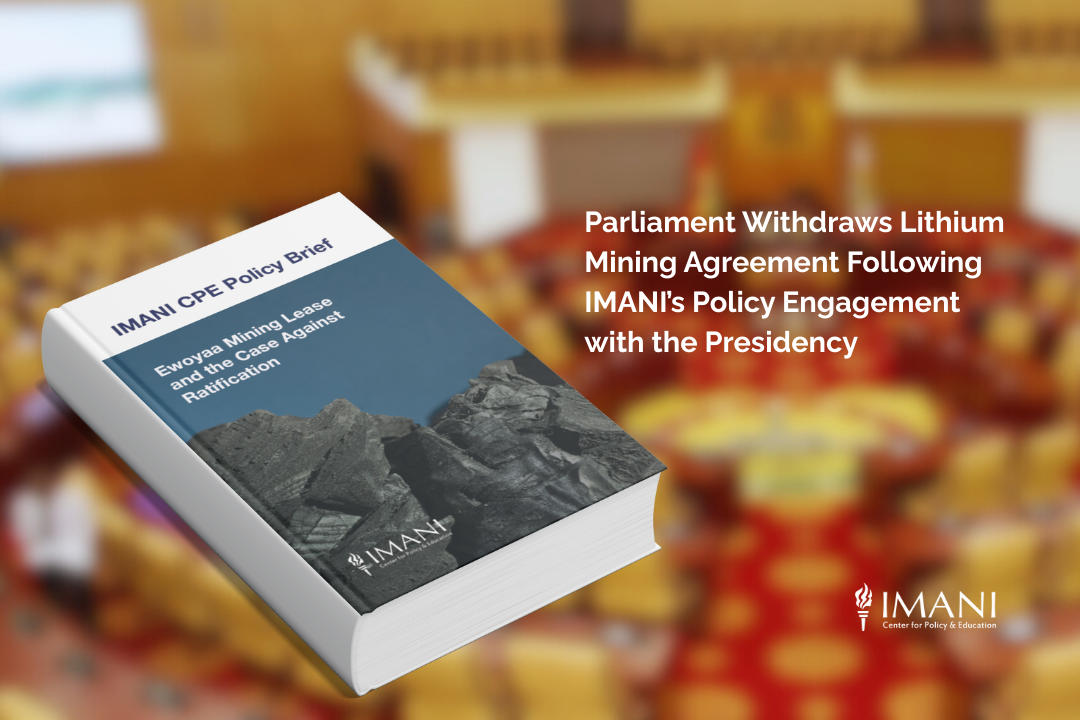
Parliament has today, 10th December 2025, withdrawn the proposed lithium mining agreement that was awaiting ratification, effectively halting the legislative process on the deal. This development follows IMANI’s recent high-level engagement with the Presidency and the submission of our detailed Policy Position on Ghana’s lithium governance framework just two days ago. On 2 December 2025, […]
IMANI Submits Detailed Policy Position to President Mahama After High-Level Meeting on Ghana’s Lithium Agreement

IMANI’s President, Franklin Cudjoe, Vice President for Innovation and Technology, Selorm Branttie, and Senior Research Associate, Dennis Asare, met with H.E. John Dramani Mahama, the President of the Republic, on 2nd December 2025 to discuss a range of important national issues, with particular focus on the ongoing negotiations surrounding Ghana’s lithium resources. The meeting was […]
The 2026 Crossroad: How Ghana Can Turn an Energy Crisis into an Industrial Renaissance
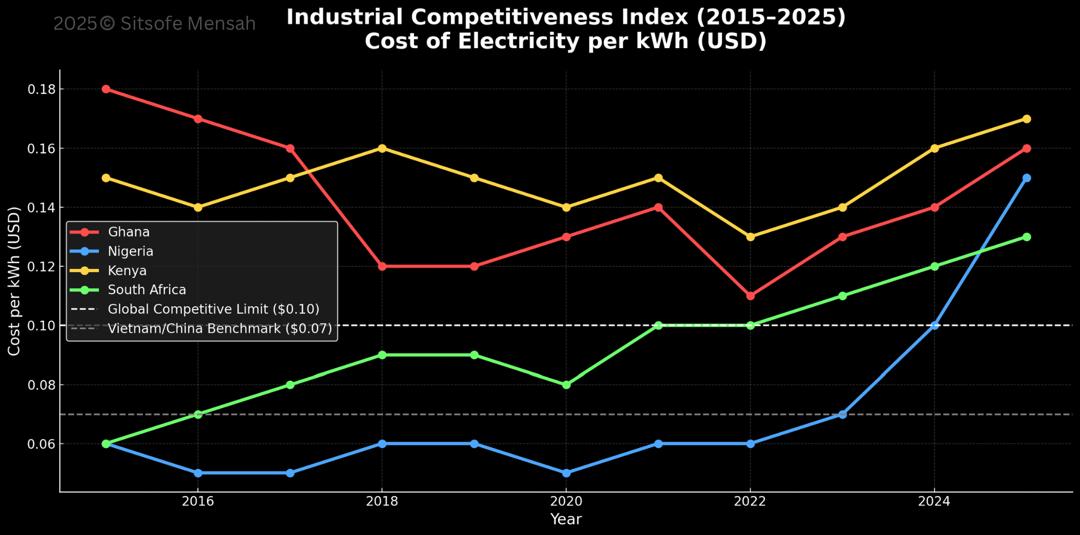
I. The State of the Nation: The Evidence of Relapse As we approach 2026, the data is no longer a forecast; it is a verdict. The “Industrial Competitiveness Index” (2015–2025) presented here reveals a stark truth: Ghana has suffered a strategic relapse. The “U-Shaped” Trap (The Red Line) If you trace the Red Line (Ghana) […]
Ghana: A Nation Its Citizens Struggle to Identify With

A nation within a territory, basically, is bound by a common ancestry, language, and culture. Along with this assertion, modern-day Ghana will not fit in. We are a people of multiple groups with very distinctive cultural heritage and language. Although there are claims of cultural linkages and certain common lingual foundations, respective practices and communal […]
IMANI’s Brief on Springfield’s Latest Dance with the Government of Ghana

In February 2025, the new Minister of Energy announced Ghana’s withdrawal of the forced unitisation directive between ENI’s Sankofa field and Springfield’s Afina discovery. IMANI was full of praise for the Minister because the forced unitisation order first issued in April 2020 was plainly absurd. It sought to compel Eni and Vitol to combine the […]
Addressing the Impact of Government Interventionism on Free Market Principles in Ghana
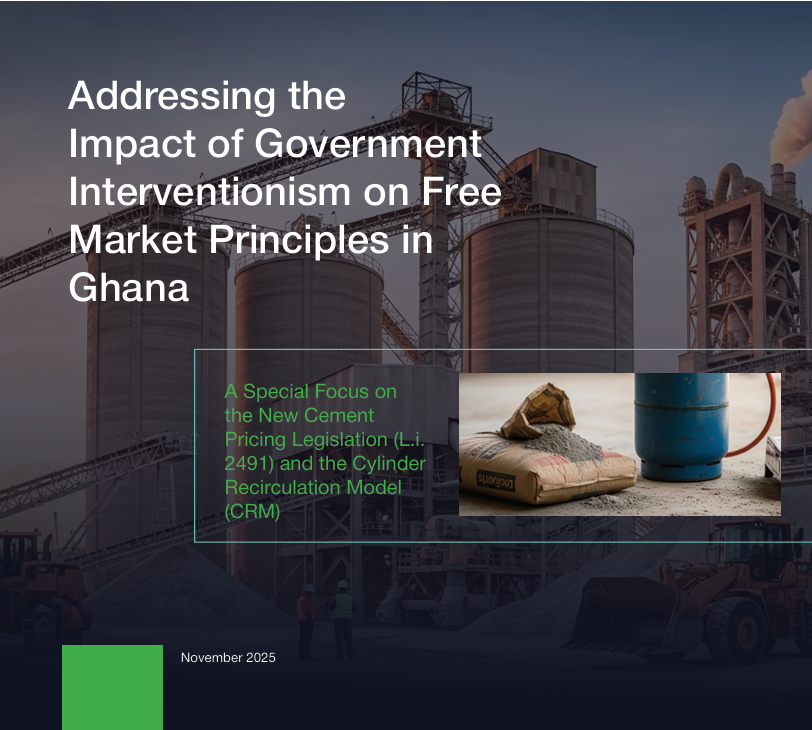
Ghana has long stood out as one of Africa’s most politically stable nations, underpinned by democratic governance, peaceful transfers of power, and a strong commitment to the rule of law. This stability has made the country an attractive destination for investment and entrepreneurship. However, the past five years have tested the resilience of Ghana’s business […]
Rethinking NAIMOS: Strengthening Ghana’s Fight Against Galamsey

Illegal artisanal and small-scale mining (galamsey) remains one of the most pressing governance and environmental challenges confronting Ghana. Despite successive governments pledging to eradicate the menace, its persistence continues to devastate rivers, forests, and rural livelihoods. The Mahama-led National Democratic Congress (NDC) government, in line with its 2024 manifesto commitments, has rolled out several initiatives […]
Eye on Social Services: Tracking the Educational Commitments in 2025 and 2026 Budget Statement and Economic Policy

Education remains one of the social services that the government is committed to enhancing. Year in and out, the budget statement and economic policy of the government are read to the famous voice acclamation of MPs in Parliament, the government’s resource allocation to key educational sector programmes and initiatives. Allocations to earmarked expenditure items like […]
Articulating The 24-Hour (Plus) Economy Policy from Promise to Policy Implementation

Policy trajectory The 24-Hour Economy, introduced by the National Democratic Congress (NDC) in its 2024 manifesto, has evolved into the flagship productivity agenda of government. Initially framed as “same job, three shifts, three people,” the policy promised to stimulate growth, create jobs, and transform Ghana into a round-the-clock industrial hub. As it stands, the narrative […]
IMANI Leadership Advocates Reforms During Strategic Visits to Tamale and Salaga
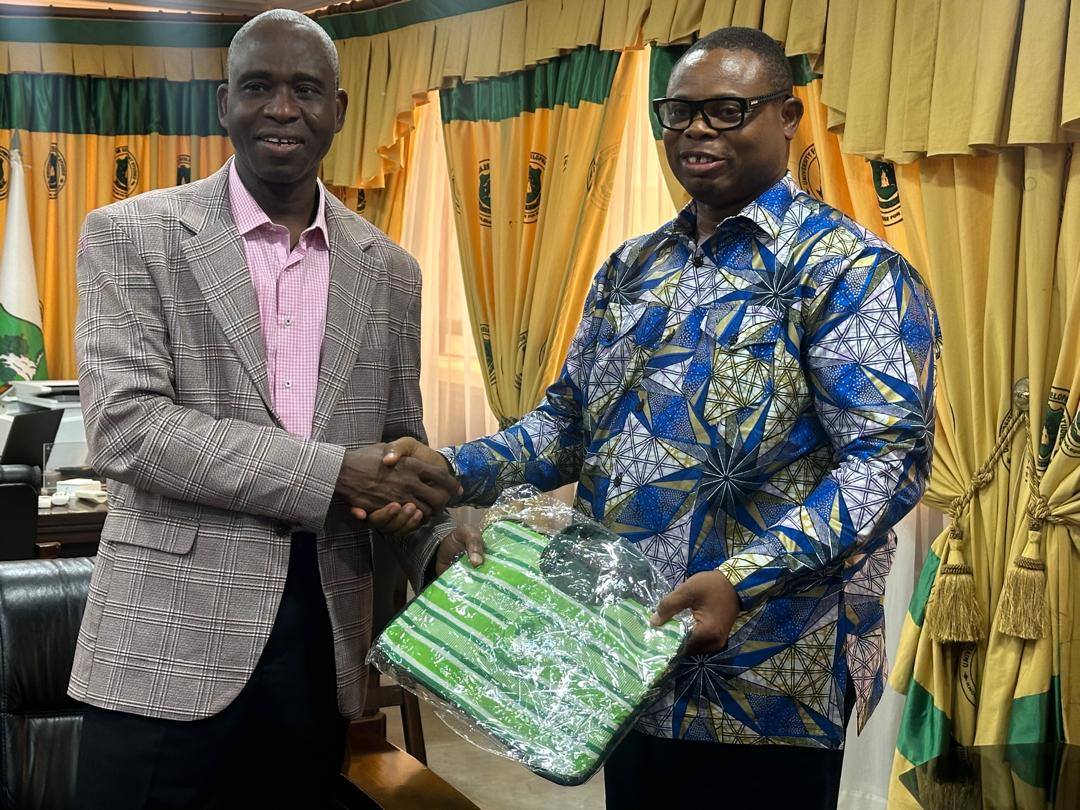
IMANI’s Founding President, Franklin Cudjoe, has concluded a multi-day working visit to Tamale and Salaga, engaging key academic leaders, traditional authorities, and local government officials on development, governance, and community upliftment. The trip formed part of IMANI’s broader commitment to strengthening partnerships, supporting underserved communities, and highlighting critical public policy challenges across the country. The visit […]
The 2026 VAT Reset: Why Your Receipt Is Changing and What It Means for Your Wallet
In a move described as a “Fiscal Reset,” Ghana’s 2026 Budget has triggered a fierce debate between the Ministry of Finance and the trading community. The government proposes a radical overhaul of the consumption tax system, raising the VAT threshold and unifying rates. The Ghana Union of Traders’ Associations (GUTA) warns that this will hike […]
Ghana’s 24-Hour Economy: Assessing the Affordability and Rewarding Capacity of the Night Component
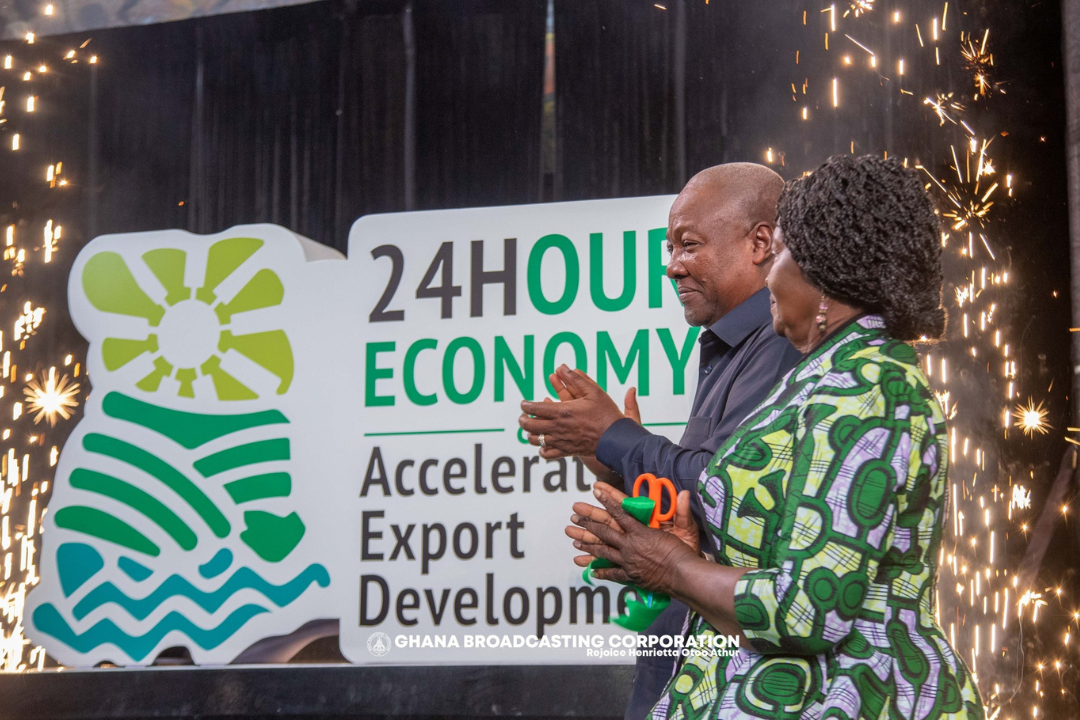
When the second Mahama-led NDC government secured victory in the 2024 elections, it did so on the strength of its flagship promise: the 24-hour economy. Since assuming office, the administration has rolled out the 24Hr Plus Policy Programme, targeting key sectors of the economy with the ambition of driving growth, expanding employment opportunities, and positioning […]
The Atlantic Lithium (Ewoyaa Project) Deal: Why Ghana’s Parliament Should Not Ratify a Flawed Agreement
Two years on, with the project still stalled and a revised agreement now set to be tabled before Parliament, the question is not whether Ghana should ratify quickly, but whether it should ratify wisely. To do otherwise would be to repeat history’s mistakes with eyes wide open. When Ghana first announced its landmark lithium mining […]
Ghana’s Vaccine Manufacturing Ambition and Africa’s 2040 Challenge

When Ghana established the National Vaccine Institute (NVI) after the COVID-19 pandemic, it was more than a bureaucratic creation; it was a recognition of the country’s new vulnerability. The pandemic had revealed how fragile Africa’s health-security architecture truly was: even with money in hand, access to vaccines depended on global supply chains and the goodwill […]
Balancing Regulation with Competitiveness – Exporting Sector

The enforcement of the Foreign Exchange Act, 2006 (Act 723)[1] by the Bank of Ghana (BoG) has intensified, with a renewed focus on ensuring that all export proceeds are repatriated within 120 days of shipment. Under Section 15(4) of the Act, failure to do so constitutes an offence, punishable by a fine of up to […]
The ‘Brussels Effect’ Blueprint: We’re Importing the EU’s AI Act While Drafting a Three-Way Regulatory War

This past week, the European Commission, in an act of pragmatic humility, tabled its “Digital Omnibus proposal.” In plain language, Brussels is already patching its new digital laws, including the landmark AI Act. Why? Because it discovered that rigid regulation creates “heavy administrative burdens” and strangles the SMEs, it needs to compete. For us in […]