
Government Accountability Series: An Innovative ‘Reset’ Experiment with Transparency in Ghana
In every democratic republic, the essence of governance is accountability. Citizens entrust leaders with power not for its own sake, but for the advancement of the public good. It is therefore refreshing when governments take deliberate steps to render account of their stewardship to the very people who elected them. When the Mahama-led National Democratic […]
Is the Repeal of L.I. 2462: A False Dawn in Ghana’s Fight Against Galamsey?
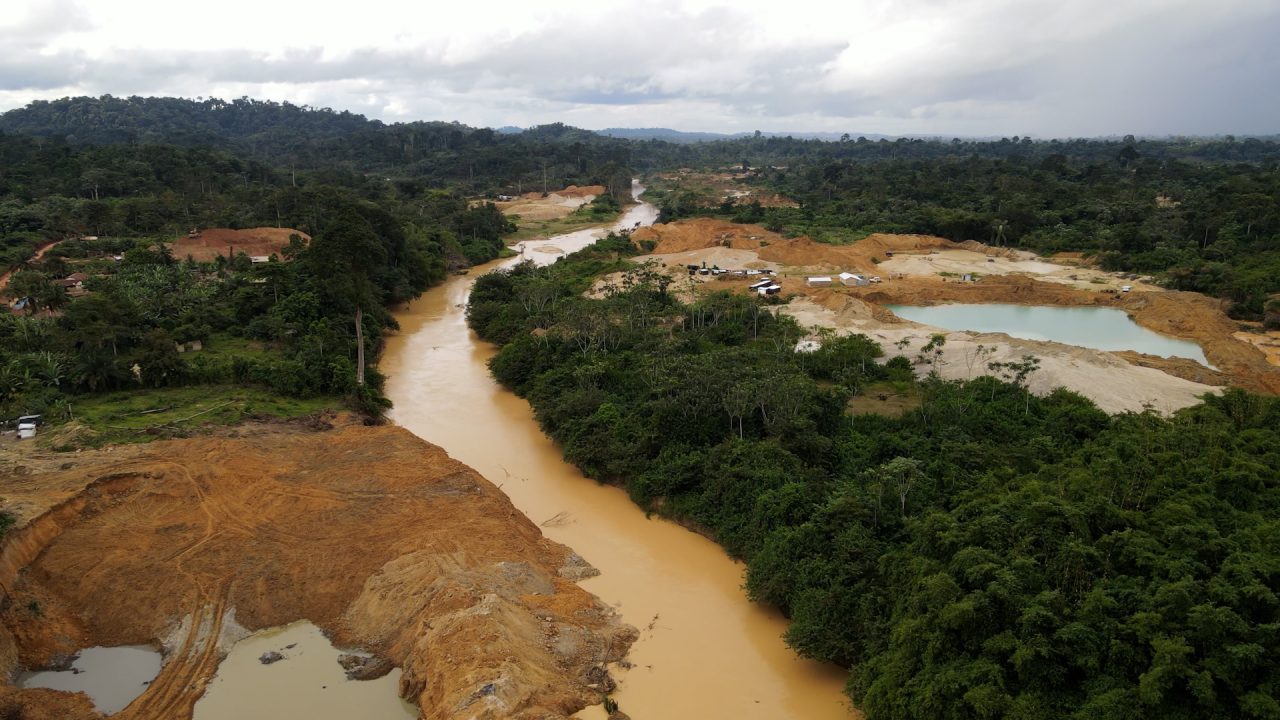
The repeal of Legislative Instrument 2462, the controversial regulation that vested in the President the authority to approve mining licenses in forest reserves, has been hailed in some quarters as a victory in Ghana’s long struggle against illegal mining, popularly known as galamsey. At first glance, this legislative reversal appears to signal progress—a symbolic triumph […]
Ghana’s Digital Lifeline is Being Severed: Why Fines and Jail Time Won’t Fix the Root Cause

When the leadership of MTN Ghana, the nation’s largest telecom operator, states that fibre cuts remain their “major challenge,” it should be treated as a national economic and security alert. This is not a mere inconvenience; it is a persistent, systemic failure to protect the most foundational layer of our digital society. Ghana has correctly […]
The Ghana Infrastructure Plan (GIP): A 30-Year Blueprint for Continuity and Fiscal Discipline

President John Dramani Mahama has launched the Ghana Infrastructure Plan (GIP), a 30-year strategic framework designed to guide national infrastructure development and end the recurring cycle of abandoned and politicized projects[1]. Developed by the National Development Planning Commission (NDPC), the plan aims to modernize infrastructure across key sectors, transport, energy, water, sanitation, and housing, while […]
Food Glut in Ghana: When Production Outpaces Market Planning

Ghana’s grain sector is facing a serious challenge this year. Reports show that about 100,000 metric tonnes of maize and rice from the 2024 harvest remain unsold across major farming areas[1]. The Peasant Farmers Association of Ghana (PFAG) has appealed to the government to urgently release additional funds to the National Food Buffer Stock Company […]
The Cocoa Processing Industry: Is Cocoa Processing Profitable in Ghana?
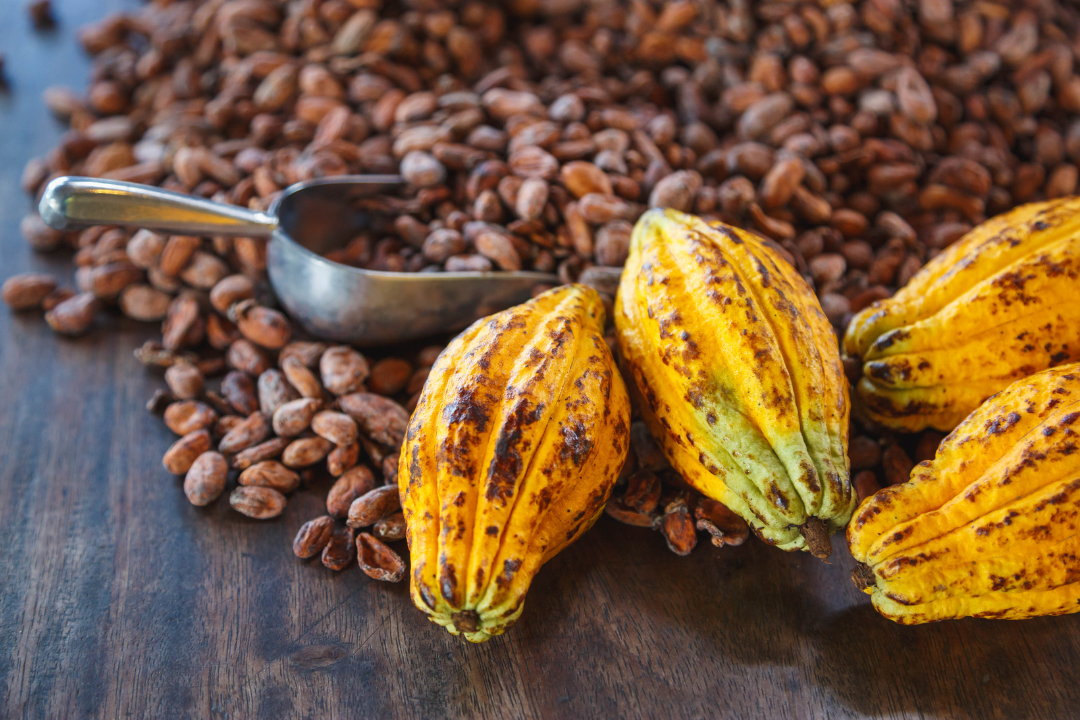
The poor performance of the Cocoa Processing Company (CPC) has raised concerns about the viability of cocoa processing in Ghana.[1] The company continues to record operational losses, despite government support and rising global demand for cocoa products. This raises a fundamental question: Is cocoa processing a profitable business in Ghana? Cocoa processing, in principle, should […]
The Hidden Tax on Ghana’s Digital Future: A Path to Faster, Cheaper Internet

The Story of a Digital Detour Imagine sending a package from Accra to a friend in Kumasi. Instead of traveling directly up the N6 highway, your package is first flown thousands of kilometers to London, processed in a European mail center, and then flown all the way back to Ghana to be delivered in Kumasi. […]
From Hannam’s Confidence to Rektron’s Shade and Telecel’s Cushion: Ghana’s Long Search for a Strategic Partner for AT Ghana

For nearly a decade, AirtelTigo (AT Ghana) has been the problem child of Ghana’s telecommunications sector. Once heralded as a competitive alternative to MTN, the company has instead become a revolving door for “strategic partners”—each promising salvation, each leaving behind deeper questions about credibility, financing, and the state’s stewardship of critical infrastructure. The story of […]
The Mother of the Fourth Republic: A Tribute by Kay Codjoe

There are some women history cannot bury. They rise again in the conscience of a nation that once misunderstood them. Nana Konadu Agyeman-Rawlings was one such woman, a figure too immense for the comfort of her time, too resolute for the silence expected of a wife, too visionary to wait for permission. Her life was […]
UP Plus and the Dilemma of Ghana’s Third Force Politics
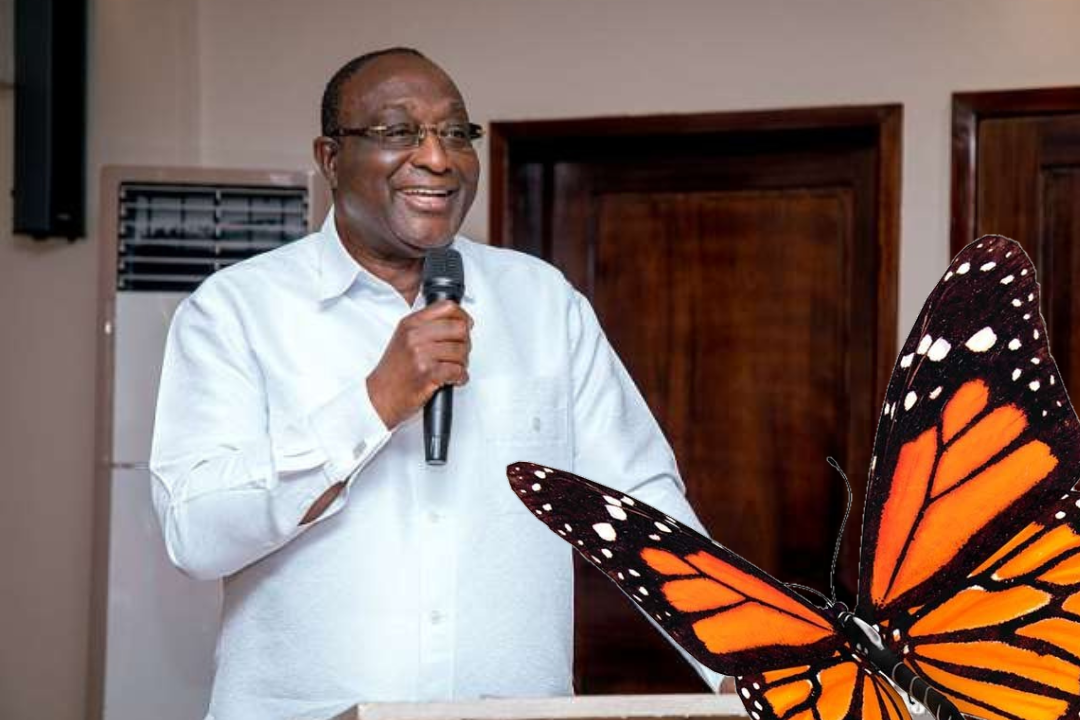
The launch of the United Party Plus (UP Plus) by Alan John Kwadwo Kyerematen marks yet another attempt to disrupt Ghana’s entrenched two-party system. Emerging from the rebranded Movement for Change (MfC), UP Plus enters the political arena with historical resonance and renewed ambition. Yet, its prospects must be assessed against the structural realities of […]
Ghana’s Textile Revival: Right Policy Direction, Old Structural Demands
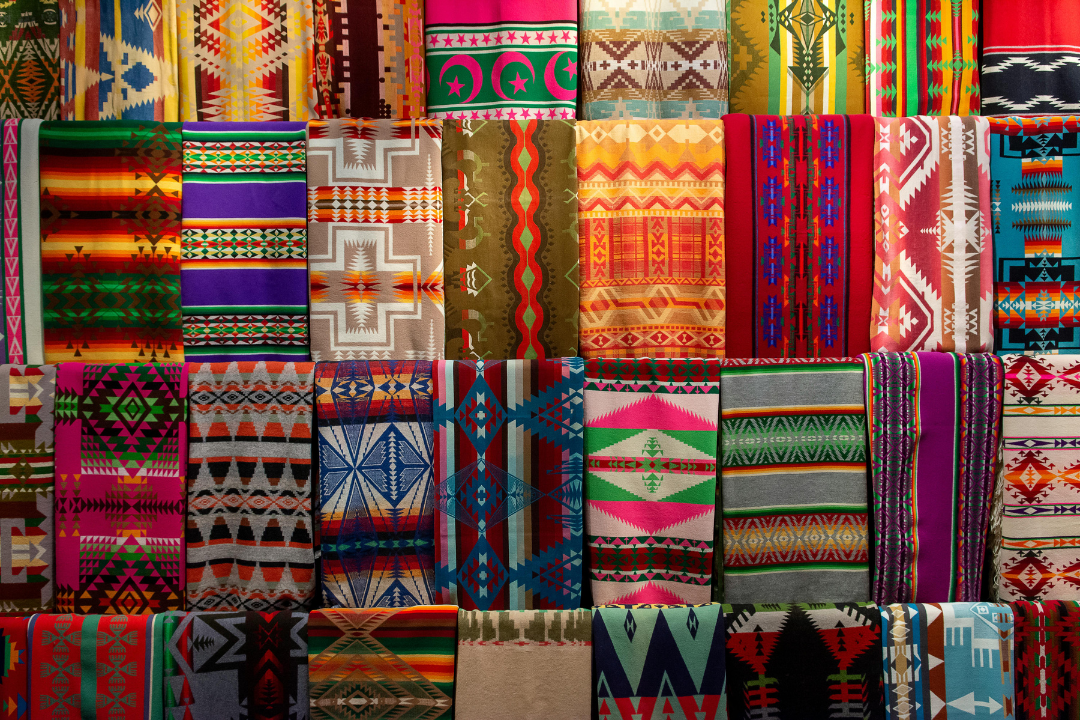
The Government of Ghana’s plan to introduce a comprehensive national policy for the textile and fashion industry signals renewed intent to industrialize beyond commodities. The framework, expected to be launched soon, seeks to position the sector as a key driver of economic diversification, export growth, and creative employment. Under the plan, the government projects to […]
Ghana’s Nurse Export Strategy: Turning Surplus Labour into Opportunity

Ghana’s health economy is reaching an inflection point. In 4 years, Ghana could have 180,000 unemployed health professionals. Ghana’s signing of a Memorandum of Understanding (MoU) with Grenada to facilitate the recruitment of Ghanaian nurses is a strategic international partnership, which forms part of the government’s “managed migration” initiative, aims to create pathways for trained […]
Ghana’s Rising Food Insecurity – A Wake-up Call

Ghana’s food insecurity crisis is deepening, revealing the growing fragility of the country’s food systems and the uneven impact of economic recovery across regions and households. According to the GSS Report[1], 13.3 million Ghanaians were food insecure by the end of 2024, a 7.3% rise. This means that limited access, availability, and utilization of food […]
The National Service Ghost Payroll: How Power, Access, and Neglect Fueled a ₵653 Million Heist

The NSA Ghost Money: She didn’t carry a gun. She didn’t need to. Her weapon was access, a login, a password, and the trust of a nation. Gifty Oware Mensah once sat at the heart of the National Service Authority as Deputy Executive Director, helping young graduates take their first steps into the world of […]
Ghana’s Sporting Triumphs and the Debate on a Proposed Sports Fund
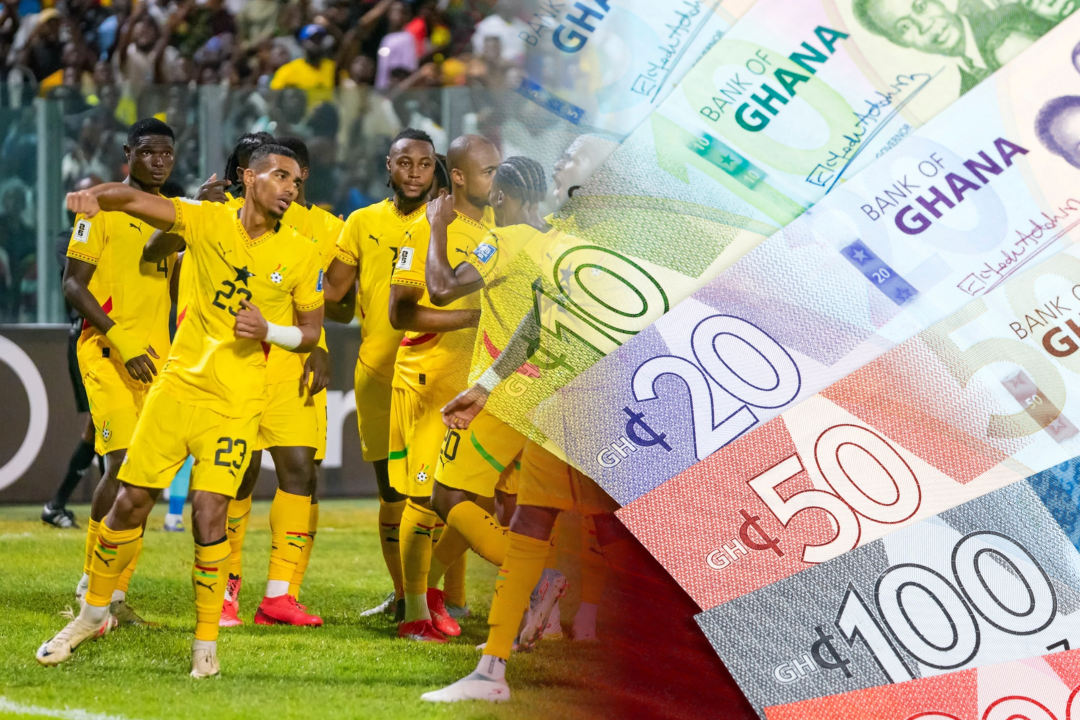
The year 2025 has been a remarkable one for Ghanaian sports, marked by historic performances on the global stage. At the World Athletics Championships in Tokyo, Rose Amoanimaa Yeboah etched her name into the nation’s sporting history by becoming the first Ghanaian woman to qualify for the high jump final at a world championship. With […]
Rethinking Ghana’s Military Recruitment: Age, Access, and the Future of National Defence
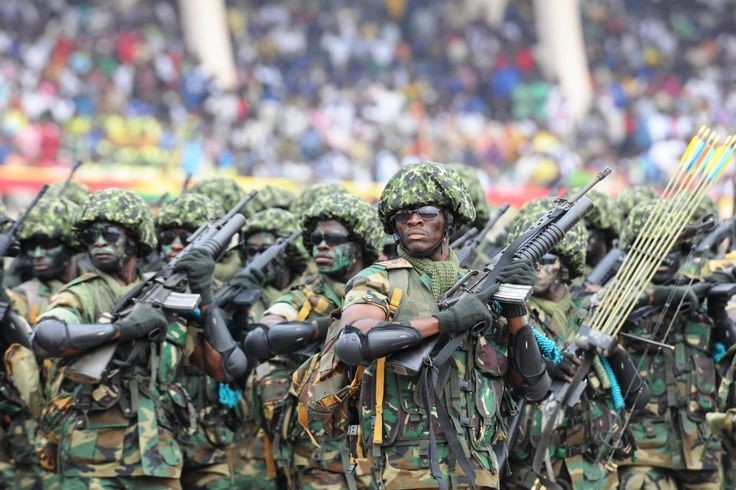
In July 2025, the late Minister of Defence, Dr. Omane Boamah, announced a landmark reform: the digitalisation of recruitment into the Ghana Armed Forces (GAF). The move was hailed as a step toward transparency and efficiency, with the application portal opening in October. Yet, what should have been a moment of progress has instead sparked […]
Parliament’s Postponed Sitting: Were Circumstances Beyond the Speaker’s Control?
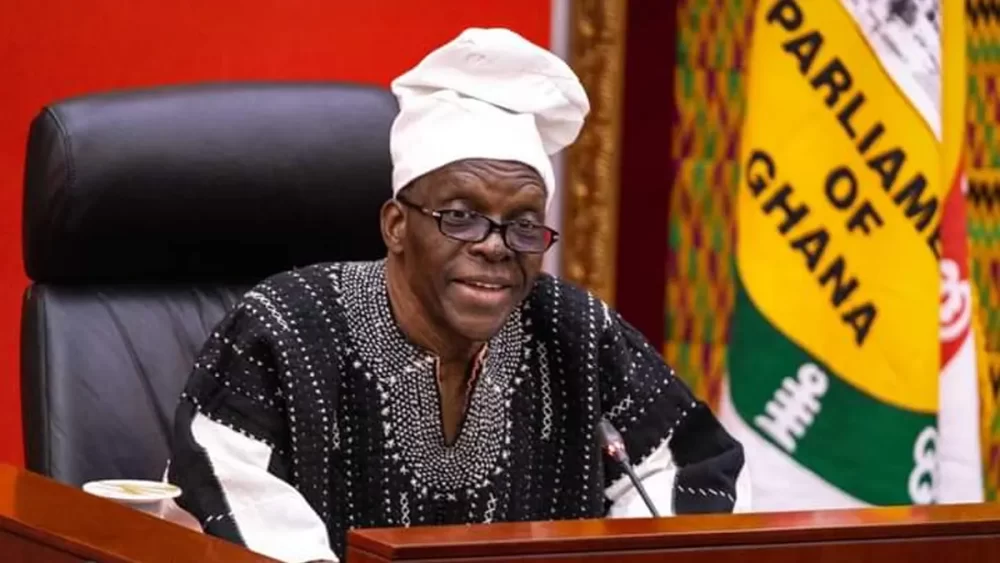
On October 6, 2025, Ghanaians were met with an unusual announcement from the Speaker of Parliament, Rt. Hon. Alban Sumana Kingsford Bagbin. In a formal rejoinder, the Speaker indefinitely postponed the resumption of the Third Meeting of the First Session of the Ninth Parliament, which had earlier been scheduled for October 14. Citing only “circumstances […]
Guarding the Golden Eggs: Why Ghana’s Military Must Redeploy to Defend Its Natural Wealth

By the mercy of time and the providence of conscience, the inner eyes of our nation are opening to its real war. I have walked among soldiers on parade and among the ruins of our rivers, the ghosts of our forests, and the hollow hearts of our mines. I have seen both the valor of […]
Poultry Programme: Production and Processing Must Grow Hand-in-Hand
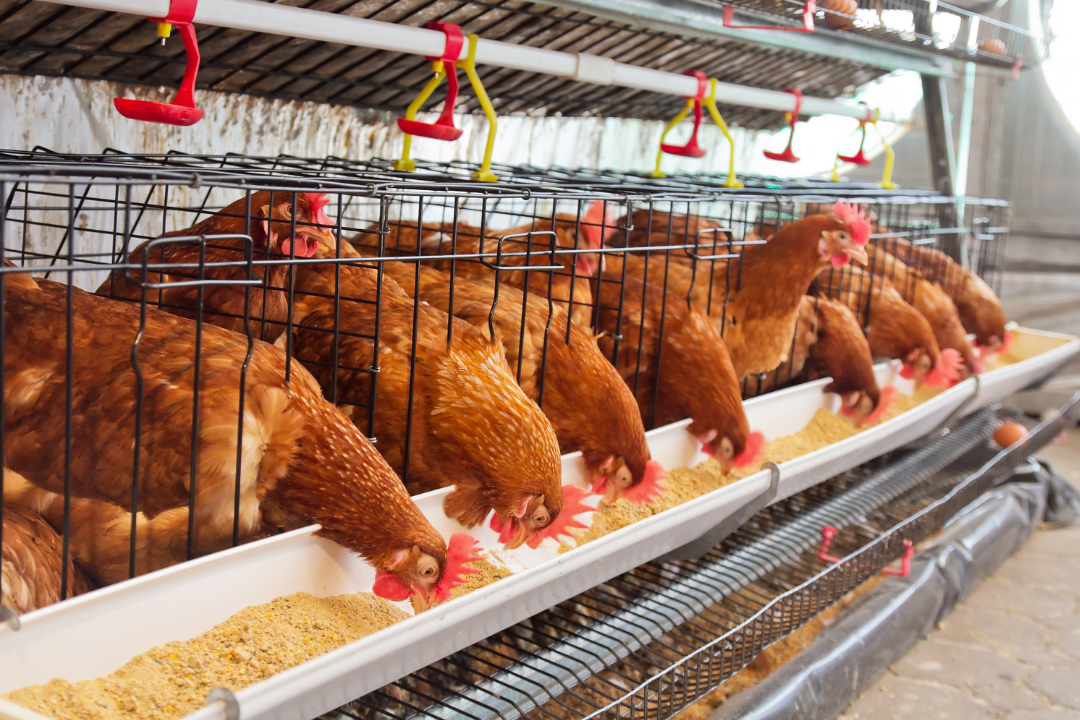
Ghana currently imports over 80% of its poultry, costing the country more than $300 million annually. The government’s Nkoko Nkitinkiti Programme, set to launch in October 2025, aims to reverse this dependence by distributing 3 million birds across the country, supporting commercial, medium-scale, and local farmers. While the programme promises to boost domestic production, there […]
Inflation is Falling, But the Relief isn’t Uniform

Ghana’s headline inflation has dropped sharply to 9.4% as of September 2025. From 23.5% in January to single digits by September, this steep decline reflects a remarkable disinflationary turnaround, driven by tighter monetary policy, exchange-rate stability, and a slowdown in food prices. At first glance, this looks like a clear victory for economic management. Yet […]