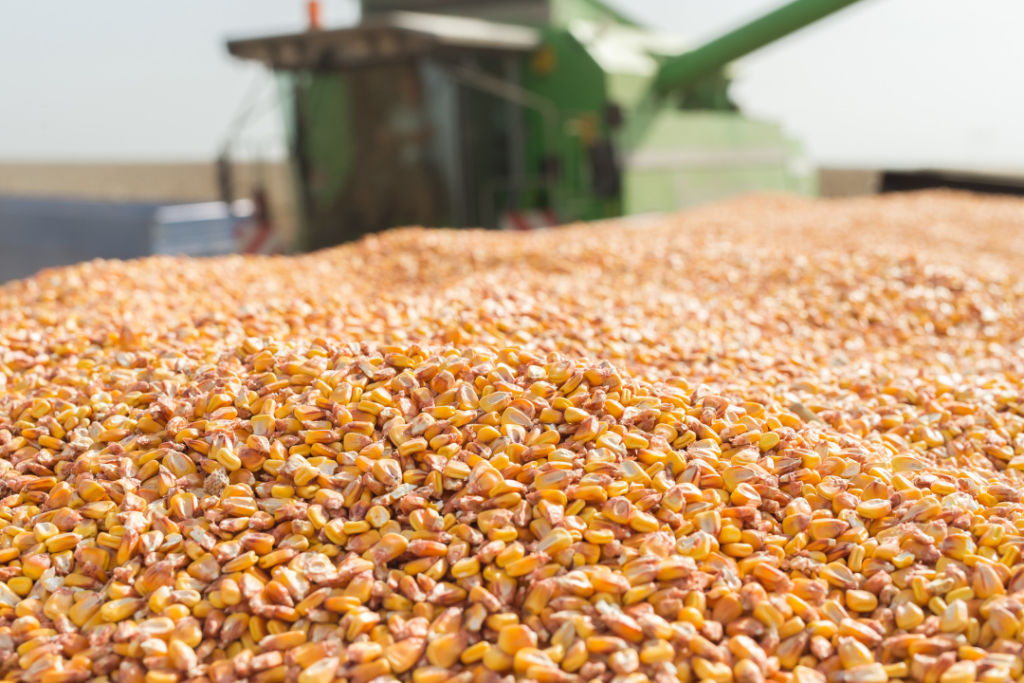
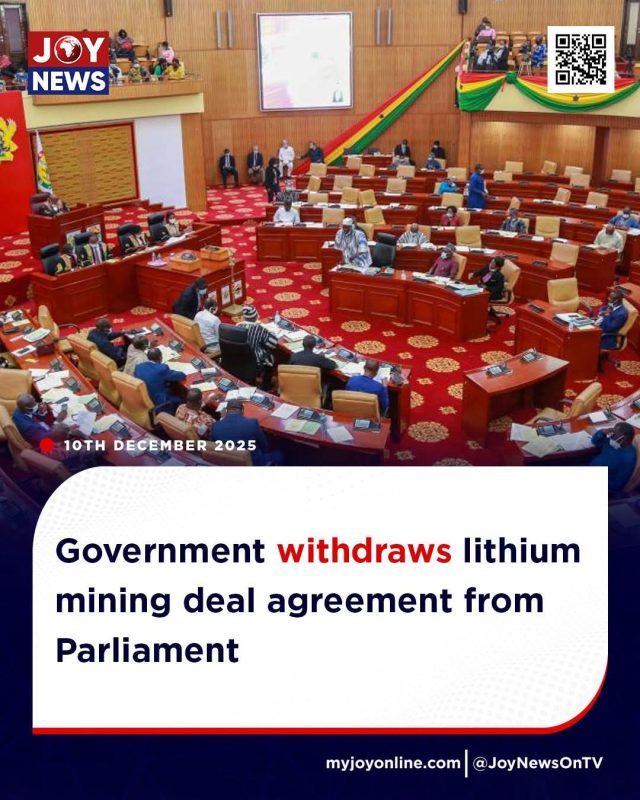
Parliament has today, 10th December 2025, withdrawn the proposed lithium mining agreement that was awaiting ratification, effectively halting the legislative process on the deal. This development follows IMANI’s recent high-level engagement with the Presidency and the submission of our detailed Policy Position on Ghana’s lithium governance framework just two days ago.
On 2 December 2025, IMANI met with H.E. John Dramani Mahama, President of the Republic, at his invitation, to provide an independent, evidence-based assessment of the policy and governance issues surrounding Ghana’s emerging lithium sector. IMANI was represented by our President, Franklin Cudjoe; Vice President for Innovation and Technology, Selorm Branttie; and Senior Research Associate, Dennis Asare.
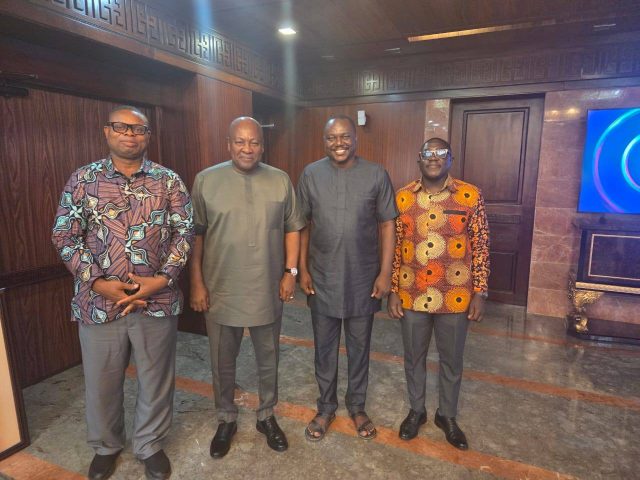
The engagement provided an opportunity for a constructive discussion on the proposed lithium agreement, its fiscal structure, valuation assumptions, regulatory arrangements, and long-term national implications. During the meeting, the President requested a formal and comprehensive policy document capturing IMANI’s full assessment of the proposed framework.
In response, IMANI submitted a detailed Policy Position to the Presidency on 8 December 2025. The document consolidates our earlier research and public commentary, incorporates updated analysis, and outlines critical governance, fiscal, and economic concerns associated with the lithium agreement. It also sets out specific, actionable recommendations aimed at improving transparency, strengthening regulatory oversight, and ensuring that Ghana secures fair and sustainable long-term value from its lithium resources.
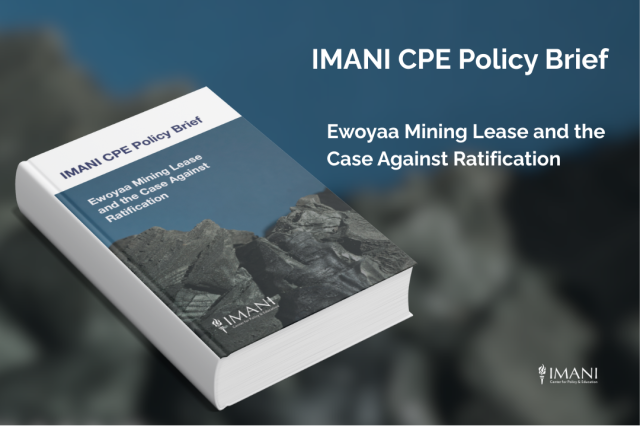
Our position has consistently been that the governance of green and critical minerals such as lithium must not simply replicate the legal, fiscal, and institutional models used for traditional extractive resources. IMANI has raised concerns about the absence of transparent asset valuation, ambiguities in revenue-sharing arrangements, weaknesses in regulatory and environmental oversight, and the risks of repeating past extractive governance failures at a moment of strategic opportunity for Ghana.
The withdrawal of the lithium agreement from Parliament creates an important opportunity for reflection and policy recalibration. It allows space for improved institutional coordination and alignment with global best practices in the governance of green minerals, particularly as Ghana positions itself within the global energy transition.
Tomorrow, 11th December 2025, IMANI will meet with the Parliamentary Committee on Lands and Natural Resources to further engage on our Policy Position and discuss the way forward for Ghana’s lithium sector and the broader green minerals strategy.
IMANI welcomes this development as a step toward more deliberate, evidence-led decision-making in the management of the country’s natural resources. We remain committed to supporting national institutions through rigorous, non-partisan research and policy engagement, and to safeguarding the public interest by advocating for transparency, accountability, and long-term national value in Ghana’s lithium and broader green minerals strategy.