
Galamsey and Its Spillover Effects Across Sectors
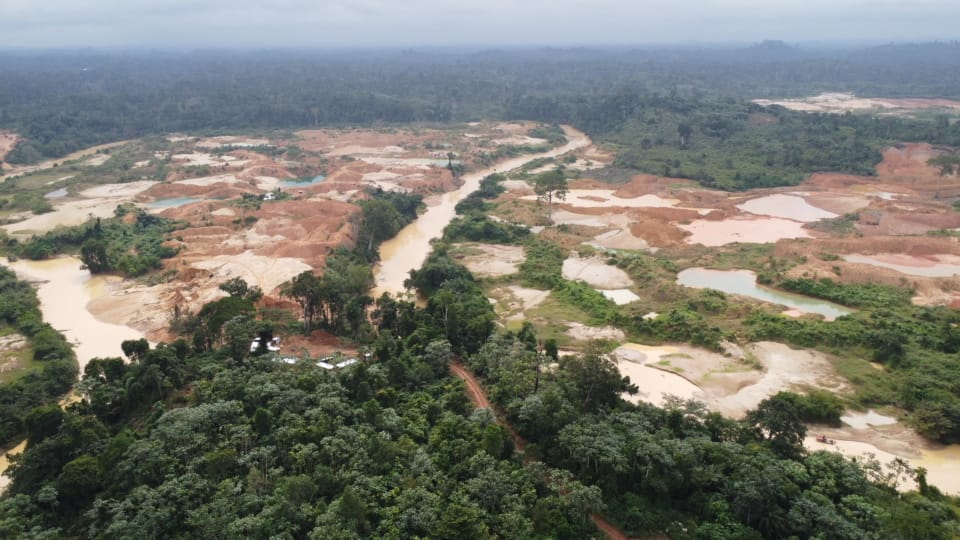
Illegal mining, or galamsey, has evolved from being dismissed as an environmental nuisance into one of the most pressing economic and governance crises facing Ghana today. Its tentacles now reach across nearly every sector, undermining agriculture, energy, water, health, and even national security. The problem is no longer sectoral; it is systemic. The agricultural sector […]
World Bank’s 2025 Policy Notes – Anchoring Ghana’s Recent Gains
Ghana’s economy has begun to show signs of recovery. Debt-to-GDP has fallen faster than anticipated, inflation is gradually easing, and the cedi has found some stability after years of turbulence. These improvements have restored a measure of confidence, but they are not yet a guarantee of durable progress. Without deeper reforms, the gains of today […]
Between Sovereignty and Accountability: The Sahel’s Break with the ICC and the Imperative of Reform
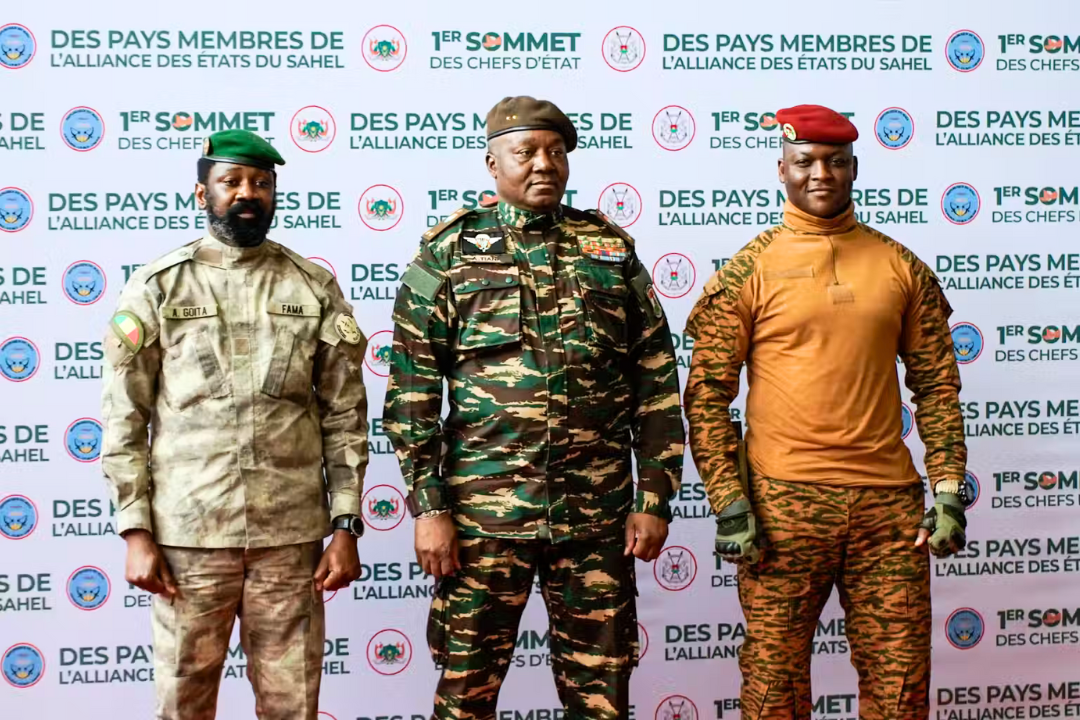
On September 22, 2025, Burkina Faso, Mali, and Niger jointly announced their withdrawal from the International Criminal Court (ICC), a move framed as a sovereign assertion against what they described as “selective justice” and “neocolonial interference.” The decision, however, has been widely interpreted as a shield against scrutiny of their own militaries, which stand accused […]
UNGA80 Voices: Reform, Responsibility, and the Price of Global Leadership
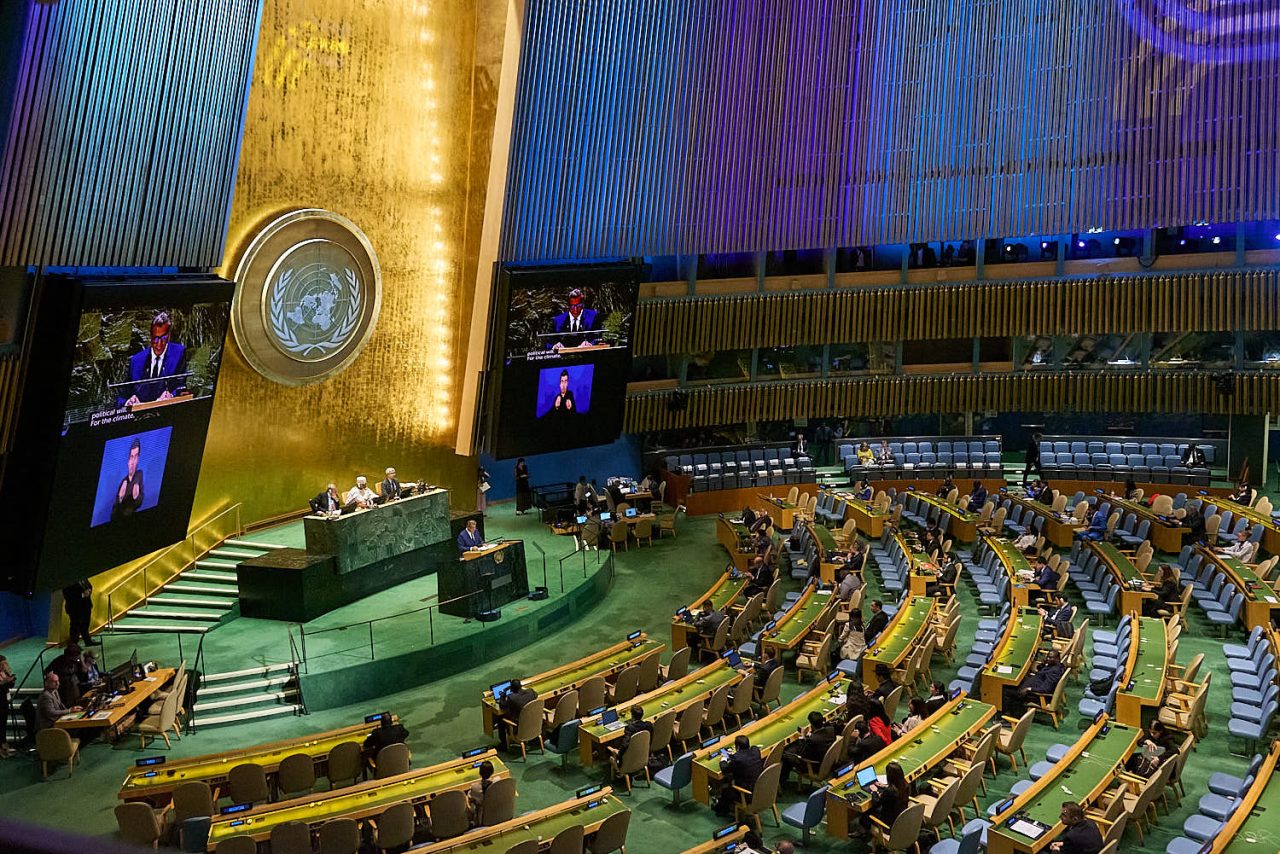
The 80th Session of the United Nations General Assembly (UNGA80) convened at a moment of profound global uncertainty. From the wars in Ukraine, Sudan, and Gaza to the accelerating climate crisis, leaders from across the world used their podium time to call for reform, justice, and renewed multilateralism. Among the most compelling interventions were those […]
Declaring a State of Emergency on Galamsey: Solution or Short-Term Fix?
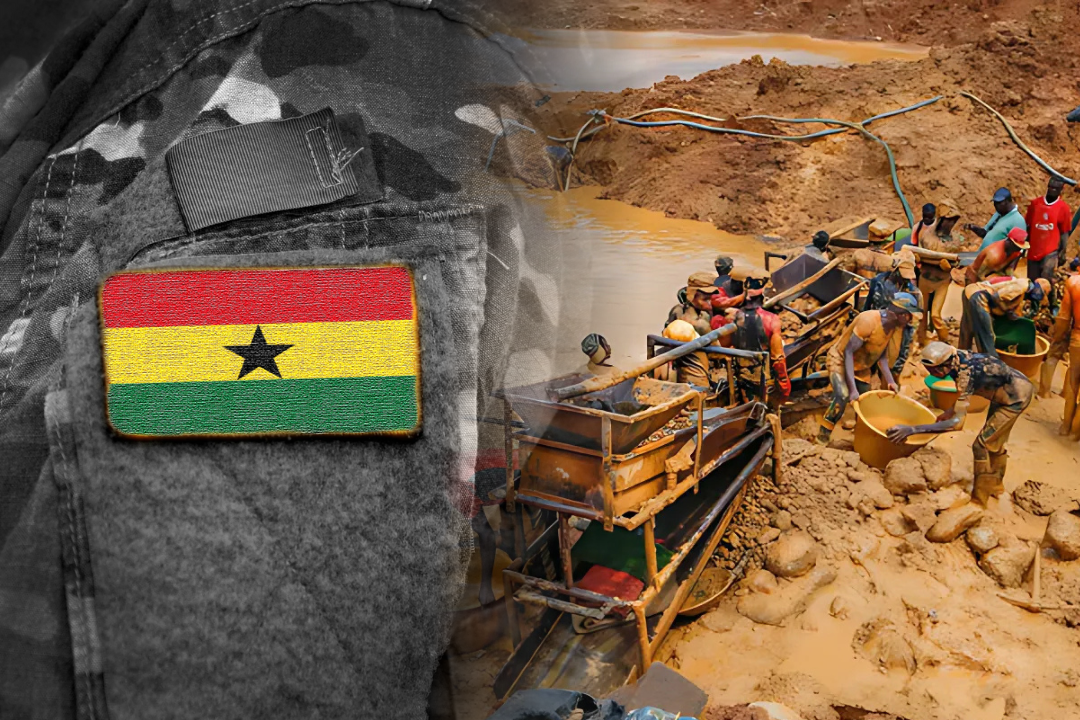
Civil society, religious organizations, and the media have intensified calls for the government to declare a state of emergency to confront illegal small‑scale mining, arguing that galamsey now meets the constitutional thresholds that permit extraordinary measures to protect life, water, and livelihoods. The Catholic Bishops, farmer groups, and advocacy coalitions have framed the crisis as […]
Accra’s Diplomatic Tightrope: Humanitarianism, Regional Leadership, and Global Alignment
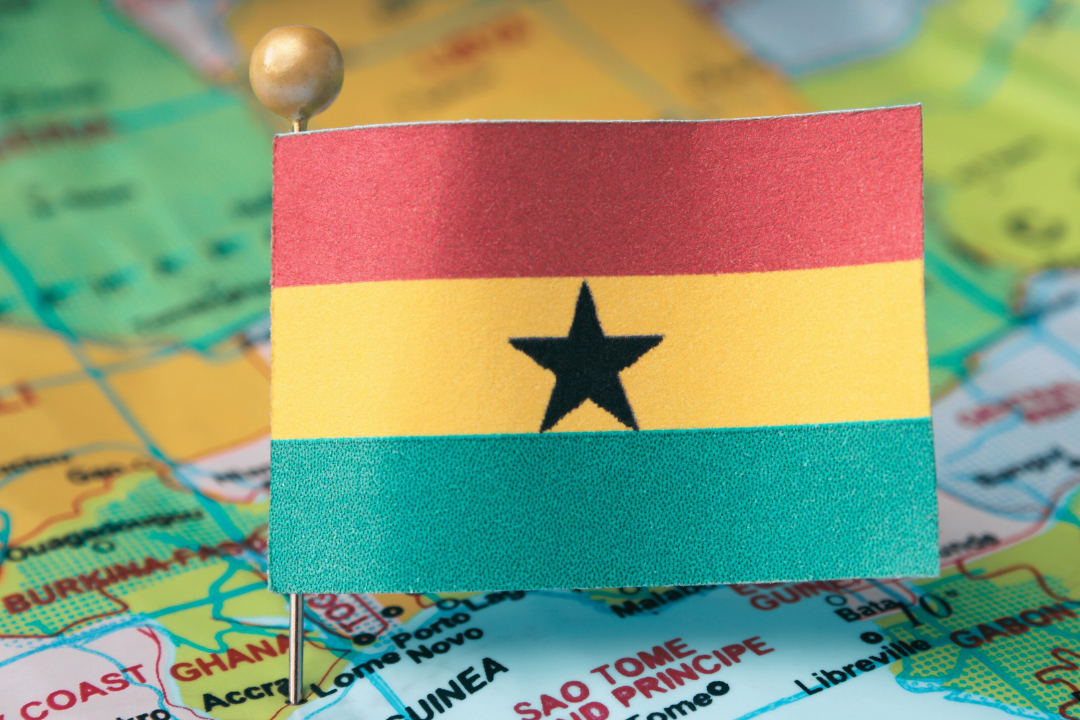
Accra’s recent diplomatic moves—taking in West African nationals deported from the United States, voting for expanded Palestinian rights at the UN, and donating Ghanaian chocolate for Gaza—show a mix of principle and practice. Each action sends a message about what Ghana wants to be: a country rooted in post‑colonial solidarity, a regional partner willing to […]
Money, Mandates, and Polling Stations: Rethinking the Cost of Ghana’s Democracy
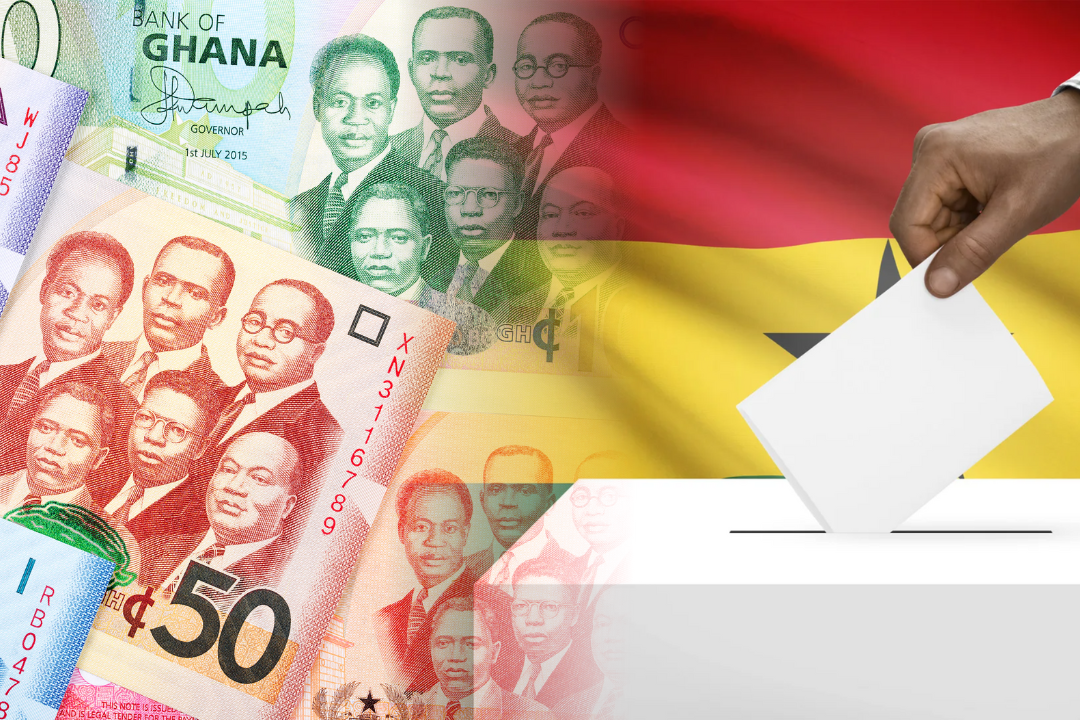
“Elections are won or lost at the polling stations” has become a blunt axiom that has lodged itself in Ghana’s political imagination. The phrase captures more than factual truth; it names a practical economy. Behind every vote cast at the nation’s roughly 41,000 polling stations lies a dense circuitry of money, matériel and mandate. Party […]
Procurement Reforms – Plugging the Leak
Ghana’s procurement system continues to bleed resources, with the Ghana Institute of Procurement and Supply (GIPS) estimating GH¢2.36 billion lost annually through irregularities. Deputy Finance Minister Thomas Nyarko Ampem, speaking at the National Procurement and Supply Conference, admitted that such waste is starving hospitals, schools, and infrastructure of badly needed funds. To stem the tide, […]
Cashew and Rubber – Ghana’s Raw Material Dilemma
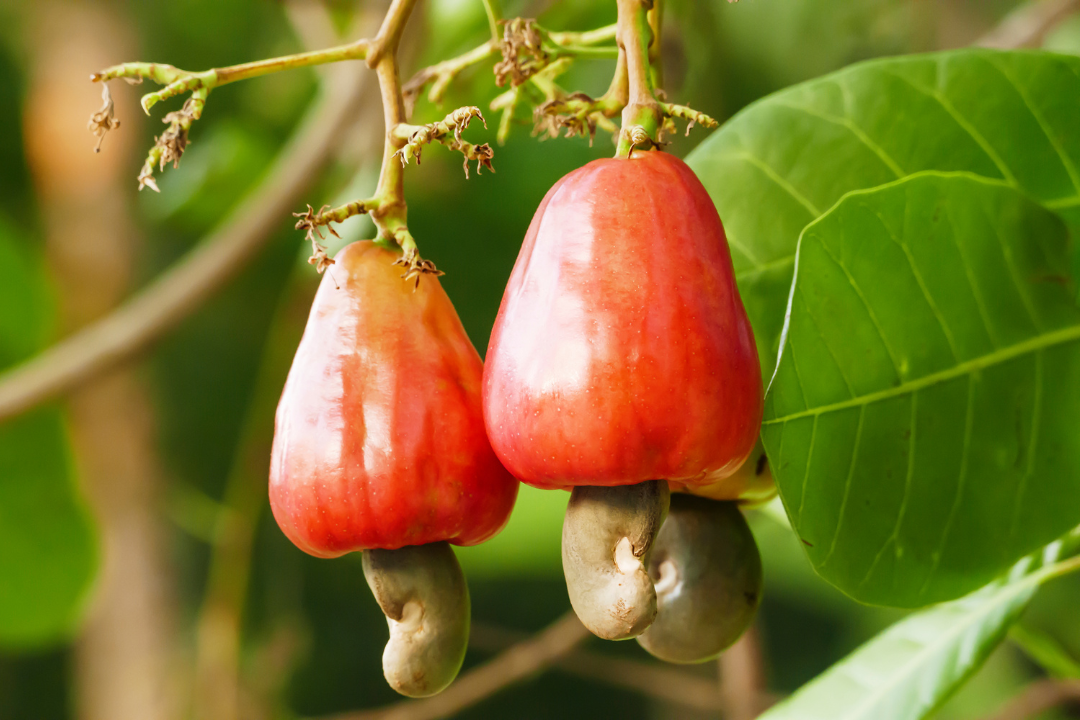
Industrialization begins not in the factory but on the farm. Without secure, reliable raw materials, even the most ambitious industrial policies collapse at the first hurdle. Ghana’s cashew and rubber sectors and even the shea sector bring this reality into sharp relief: both carry immense potential, yet both are trapped in a cycle where raw […]
Unlocking Ghana’s Industrial Potential: Lessons from the 2025 Industrial Summit & Exhibition Forum

This year’s Ghana Industrial Summit & Exhibition & BEST Forum was less a ceremonial gathering and more a reality check. The mood was urgent: sectors that should be powering Ghana’s transformation are instead under strain. Factories are operating below capacity, farmers are vulnerable, and global competitors like Côte d’Ivoire are racing ahead. Yet speakers repeatedly […]
Closing the Loopholes in the Fight against Galamsey: Amending Act 703 to Protect Forest Ecosystems
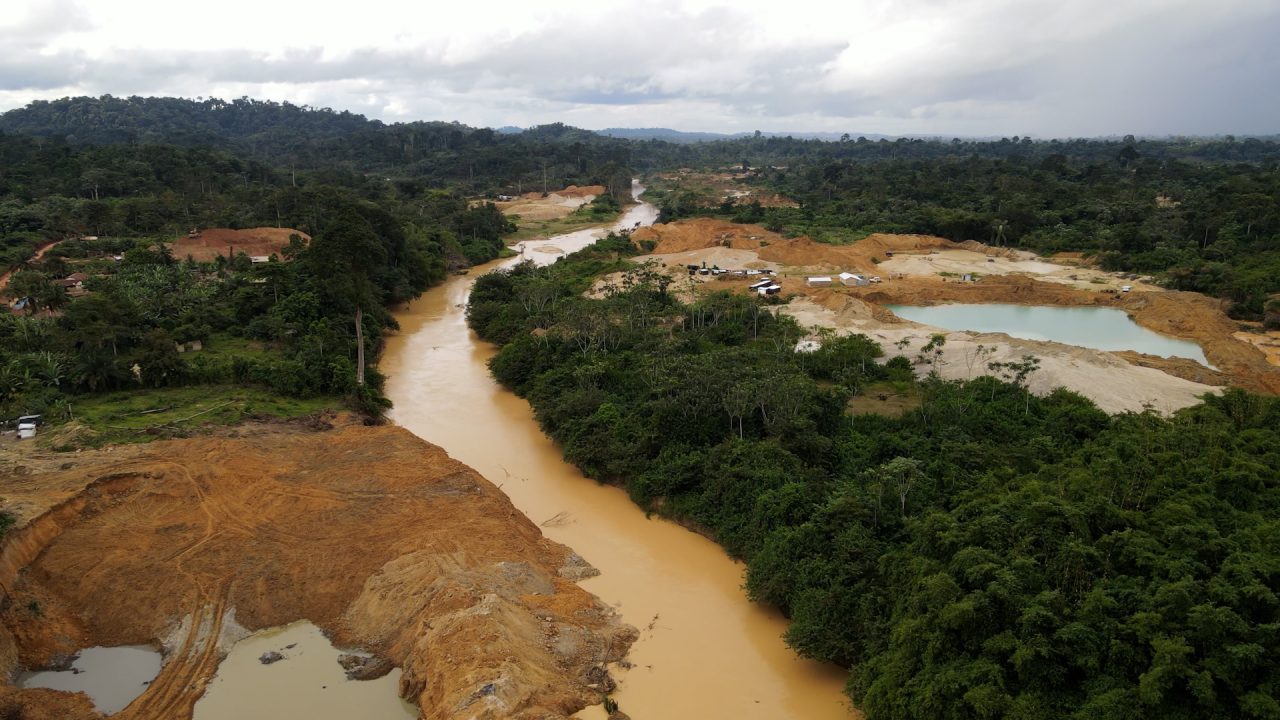
President Mahama’s maiden media engagement on Wednesday marked a turning point in Ghana’s long-running struggle against galamsey. Rather than opting for sweeping emergency powers, the President laid out a suite of targeted measures designed to strengthen enforcement and restore degraded ecosystems. His emphasis on legislative fine-tuning and institutional capacity-building has reframed the national debate around […]
When the Protector Fails: Ghana’s Struggle to Safeguard Its Citizens
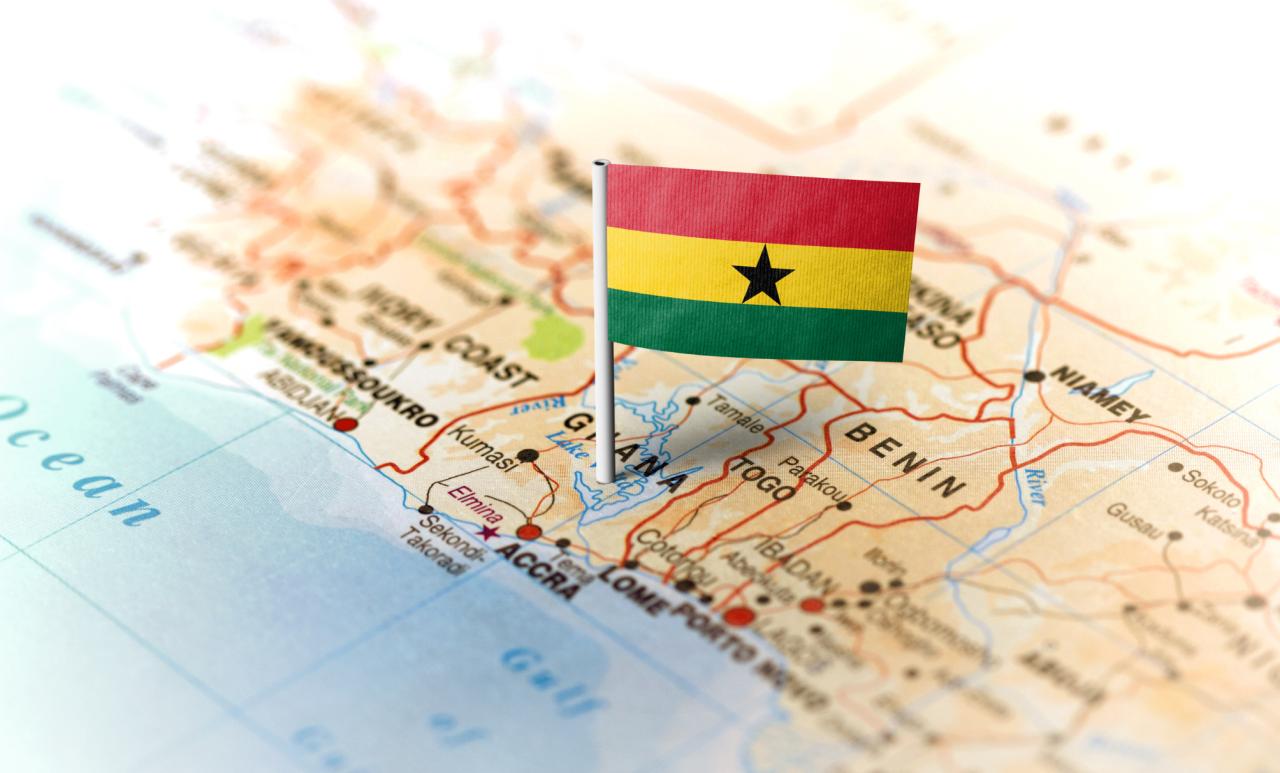
The very raison d’être of the modern state is to shield its people from harm—yet in Ghana today, that fundamental social contract feels frayed. Recent Afrobarometer data reveal that more than half of Ghanaians express “little” or “no” trust in the police and courts, while only about a third say they trust the police “somewhat” […]
DSTV Pricing Dispute: Lessons for Policy

The long-running tensions between MultiChoice Ghana (operators of DSTV), the Ministry of Communication, Digital Technology and Innovation, and the National Communications Authority (NCA) resurfaced this week, reigniting public debate over pay-TV pricing and regulation. The spark came when Minister Samuel Nartey George issued an ultimatum, threatening to shut down the broadcaster if subscription rates were […]
Cybercrime: Ghana’s Growing Digital Weak Spot

Ghana’s digital transformation is deepening, but with it comes a costly shadow; cybercrime. Figures from the Cyber Security Authority (CSA) show the country lost GH¢14.94 million in just the first half of 2025, up 17% from the same period last year. Reported incidents increased from 1,317 in early 2024 to 2,008 in 2025, with online […]
Shea Industry: Promise, Policy, and Pitfalls

The government is advancing the shea industry as part of its 24-hour economy agenda, casting it as a future $640 million export sector. At the World Shea Expo in Tamale, Dr. Peter Boamah Otokunor, Director of Presidential Initiatives on Agriculture and Agribusiness, set out an ambitious plan: to grow annual production from the current 130,000–150,000 […]
Criticality Analysis: Governance & Economic Issues (August 24–30, 2025)
As Ghana navigates a period of political recalibration and economic uncertainty, IMANI’s Criticality Analysis continues to spotlight the week’s most pressing governance and policy developments. In this issue, we spotlight five debates shaping Ghana’s governance, economy, and democracy; from language politics and mining regulation to debt sustainability and renewed global investor confidence. In this edition: Oobake vs. […]
Ghana and Africa’s Debt Crisis: Beyond the Numbers
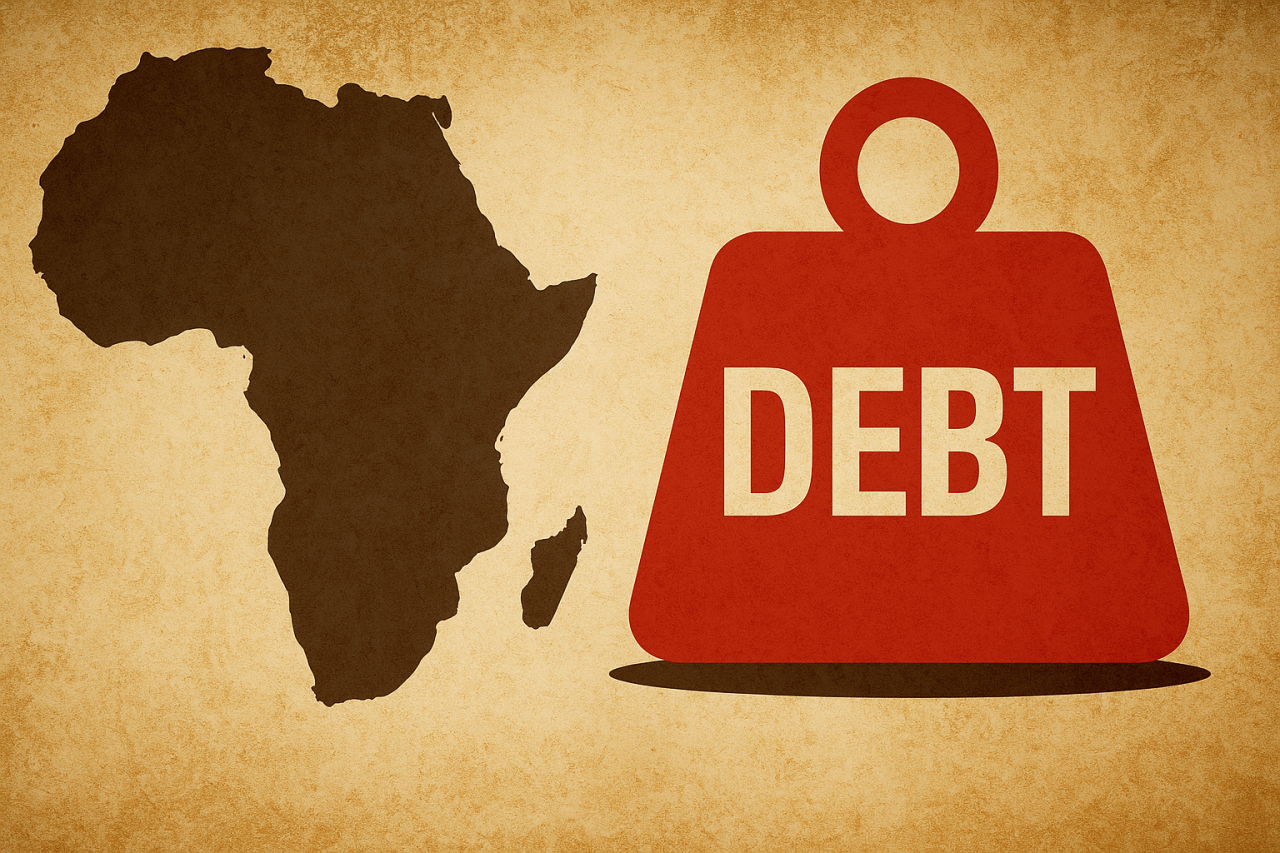
The flurry of rallies, petitions, and policy statements in Accra last week underscores one truth: debt has become Africa’s single biggest development bottleneck, and Ghana sits at the heart of this storm. With Ghana’s debt now estimated at over GH¢800 billion, and Africa’s overall external debt surpassing US$1.3 trillion, the urgency is undeniable. But as […]
Ghana on the Global Stage: Renewed Investor Confidence from Asia

President Mahama’s recent trips to Singapore and Japan mark more than ceremonial diplomacy. They are strong signals that Ghana is once again regaining the confidence of major global investors and partners, and positioning itself firmly on the path of growth through foreign investment, economic transformation, and technological advancement. In Singapore, the $1 billion package covered […]
Qatar’s $1.5bn Agriculture Deal and Aljadad’s $5bn Fertilizer Plant — Building Blocks for a Stronger Agro-Economy?

The Ministry of Food and Agriculture has announced two investments that could reshape Ghana’s agriculture sector: Qatar’s investment of $1.5 billion in agriculture by November 2025, and Aljadad Group’s plan to invest $5 billion in a fertilizer production facility at Atuabo. Together, they reflect not just foreign confidence in Ghana’s agro potential but also the […]
Repealing Ghana’s Forest-Reserve Mining Regulations: Navigating the Path From L.I. 2462 To L.I. 2501 and Beyond
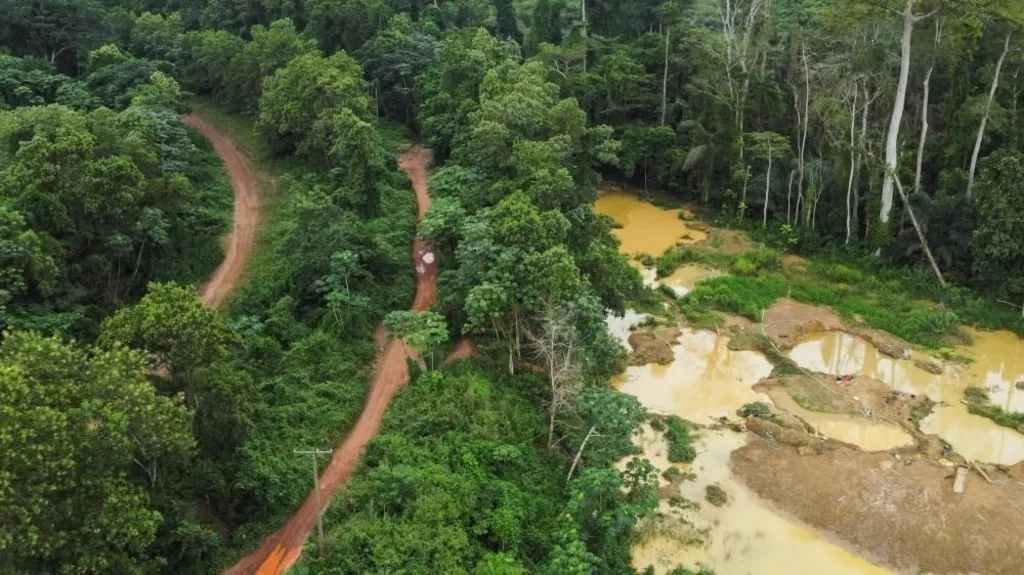
Ghana’s struggle against the scourge of illegal mining has entered a new chapter with the government’s bold decision to repeal both L.I. 2462 and its subsequent amendment, L.I. 2501. What began in 2019 as a targeted subsidiary instrument to regulate mining in forest reserves has evolved into a complex legal tapestry and now stands on […]