
Balancing Regulation with Competitiveness – Exporting Sector

The enforcement of the Foreign Exchange Act, 2006 (Act 723)[1] by the Bank of Ghana (BoG) has intensified, with a renewed focus on ensuring that all export proceeds are repatriated within 120 days of shipment. Under Section 15(4) of the Act, failure to do so constitutes an offence, punishable by a fine of up to […]
The ‘Brussels Effect’ Blueprint: We’re Importing the EU’s AI Act While Drafting a Three-Way Regulatory War

This past week, the European Commission, in an act of pragmatic humility, tabled its “Digital Omnibus proposal.” In plain language, Brussels is already patching its new digital laws, including the landmark AI Act. Why? Because it discovered that rigid regulation creates “heavy administrative burdens” and strangles the SMEs, it needs to compete. For us in […]
Is the Repeal of L.I. 2462: A False Dawn in Ghana’s Fight Against Galamsey?
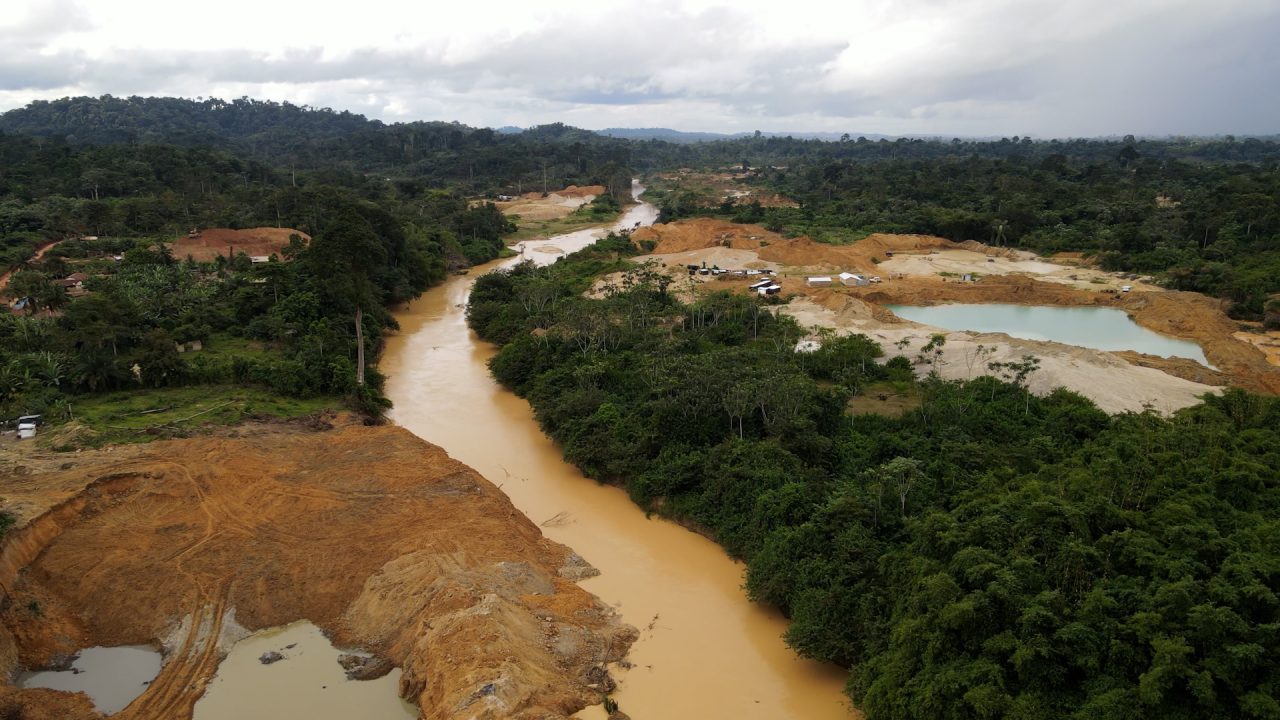
The repeal of Legislative Instrument 2462, the controversial regulation that vested in the President the authority to approve mining licenses in forest reserves, has been hailed in some quarters as a victory in Ghana’s long struggle against illegal mining, popularly known as galamsey. At first glance, this legislative reversal appears to signal progress—a symbolic triumph […]
The Ghana Infrastructure Plan (GIP): A 30-Year Blueprint for Continuity and Fiscal Discipline

President John Dramani Mahama has launched the Ghana Infrastructure Plan (GIP), a 30-year strategic framework designed to guide national infrastructure development and end the recurring cycle of abandoned and politicized projects[1]. Developed by the National Development Planning Commission (NDPC), the plan aims to modernize infrastructure across key sectors, transport, energy, water, sanitation, and housing, while […]
Food Glut in Ghana: When Production Outpaces Market Planning

Ghana’s grain sector is facing a serious challenge this year. Reports show that about 100,000 metric tonnes of maize and rice from the 2024 harvest remain unsold across major farming areas[1]. The Peasant Farmers Association of Ghana (PFAG) has appealed to the government to urgently release additional funds to the National Food Buffer Stock Company […]
The Cocoa Processing Industry: Is Cocoa Processing Profitable in Ghana?

The poor performance of the Cocoa Processing Company (CPC) has raised concerns about the viability of cocoa processing in Ghana.[1] The company continues to record operational losses, despite government support and rising global demand for cocoa products. This raises a fundamental question: Is cocoa processing a profitable business in Ghana? Cocoa processing, in principle, should […]
From Hannam’s Confidence to Rektron’s Shade and Telecel’s Cushion: Ghana’s Long Search for a Strategic Partner for AT Ghana

For nearly a decade, AirtelTigo (AT Ghana) has been the problem child of Ghana’s telecommunications sector. Once heralded as a competitive alternative to MTN, the company has instead become a revolving door for “strategic partners”—each promising salvation, each leaving behind deeper questions about credibility, financing, and the state’s stewardship of critical infrastructure. The story of […]
UP Plus and the Dilemma of Ghana’s Third Force Politics

The launch of the United Party Plus (UP Plus) by Alan John Kwadwo Kyerematen marks yet another attempt to disrupt Ghana’s entrenched two-party system. Emerging from the rebranded Movement for Change (MfC), UP Plus enters the political arena with historical resonance and renewed ambition. Yet, its prospects must be assessed against the structural realities of […]
Ghana’s Textile Revival: Right Policy Direction, Old Structural Demands

The Government of Ghana’s plan to introduce a comprehensive national policy for the textile and fashion industry signals renewed intent to industrialize beyond commodities. The framework, expected to be launched soon, seeks to position the sector as a key driver of economic diversification, export growth, and creative employment. Under the plan, the government projects to […]
Ghana’s Nurse Export Strategy: Turning Surplus Labour into Opportunity

Ghana’s health economy is reaching an inflection point. In 4 years, Ghana could have 180,000 unemployed health professionals. Ghana’s signing of a Memorandum of Understanding (MoU) with Grenada to facilitate the recruitment of Ghanaian nurses is a strategic international partnership, which forms part of the government’s “managed migration” initiative, aims to create pathways for trained […]
Ghana’s Rising Food Insecurity – A Wake-up Call

Ghana’s food insecurity crisis is deepening, revealing the growing fragility of the country’s food systems and the uneven impact of economic recovery across regions and households. According to the GSS Report[1], 13.3 million Ghanaians were food insecure by the end of 2024, a 7.3% rise. This means that limited access, availability, and utilization of food […]
Ghana’s Sporting Triumphs and the Debate on a Proposed Sports Fund

The year 2025 has been a remarkable one for Ghanaian sports, marked by historic performances on the global stage. At the World Athletics Championships in Tokyo, Rose Amoanimaa Yeboah etched her name into the nation’s sporting history by becoming the first Ghanaian woman to qualify for the high jump final at a world championship. With […]
Rethinking Ghana’s Military Recruitment: Age, Access, and the Future of National Defence
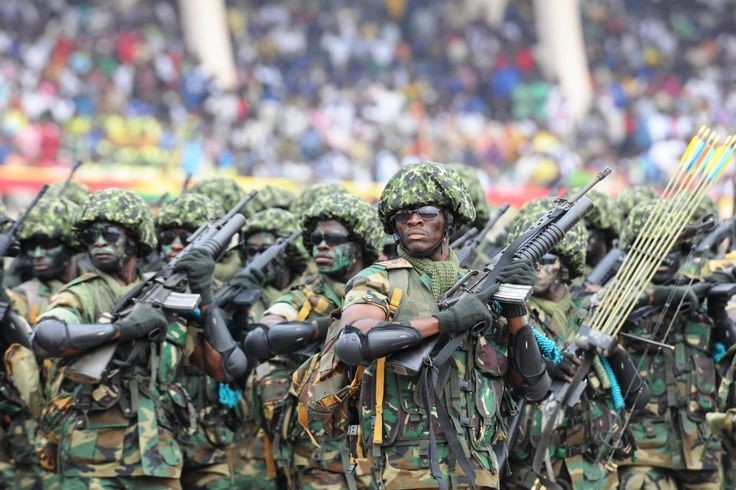
In July 2025, the late Minister of Defence, Dr. Omane Boamah, announced a landmark reform: the digitalisation of recruitment into the Ghana Armed Forces (GAF). The move was hailed as a step toward transparency and efficiency, with the application portal opening in October. Yet, what should have been a moment of progress has instead sparked […]
Parliament’s Postponed Sitting: Were Circumstances Beyond the Speaker’s Control?
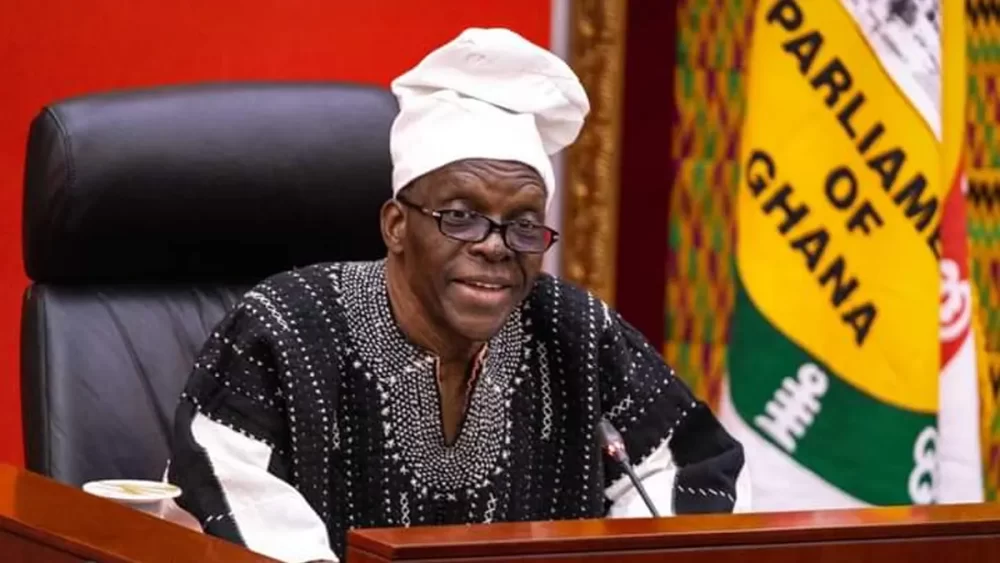
On October 6, 2025, Ghanaians were met with an unusual announcement from the Speaker of Parliament, Rt. Hon. Alban Sumana Kingsford Bagbin. In a formal rejoinder, the Speaker indefinitely postponed the resumption of the Third Meeting of the First Session of the Ninth Parliament, which had earlier been scheduled for October 14. Citing only “circumstances […]
Criticality Analysis: Governance & Economic Issues | September 29 – October 4, 2025
As Ghana navigates a complex intersection of market regulation, consumer protection, and structural economic reform, IMANI’s in-house Criticality Analysis (CAGEI) continues to spotlight the week’s most pressing governance and policy debates. This edition examines four interlinked developments shaping public accountability, market fairness, and the sustainability of Ghana’s economic recovery. In this edition: Value or Illusion? […]
Criticality Analysis: Governance & Economic Issues (September 22–27, 2025)
IMANI Center for Policy & Education has released its latest edition of the Criticality Analysis of Governance and Economic Issues (CAGEI), covering developments between September 22 and 27, 2025. This edition presents an in-depth assessment of major governance and economic developments shaping Ghana, Africa, and the global policy landscape. The Criticality Analysis is IMANI’s flagship […]
Poultry Programme: Production and Processing Must Grow Hand-in-Hand
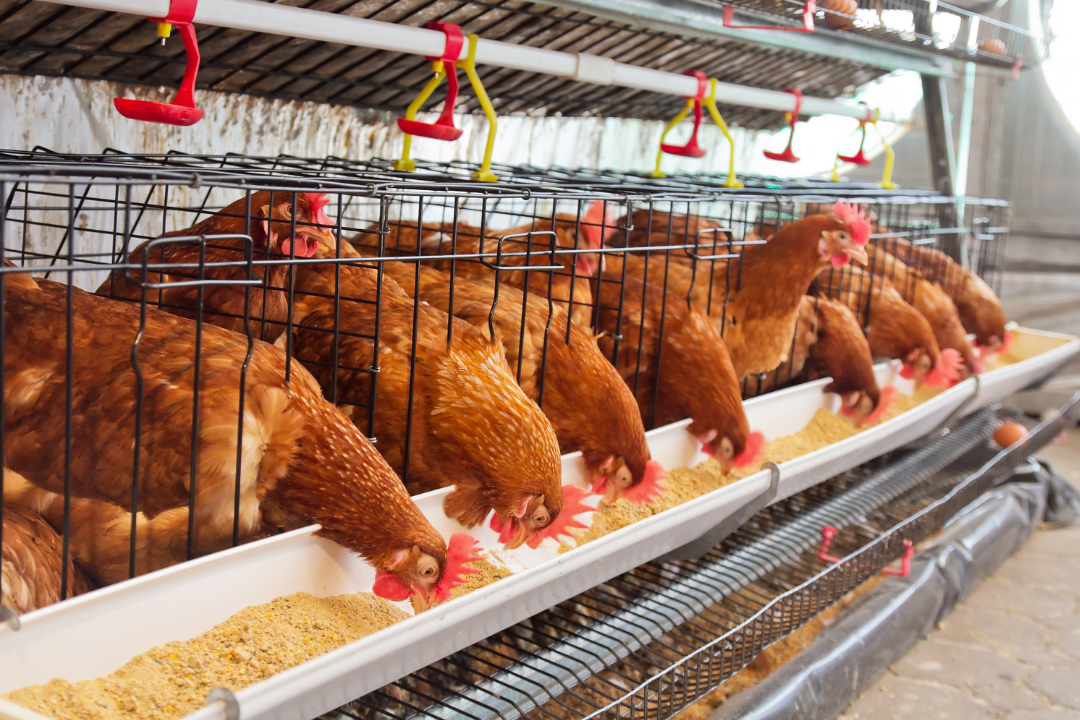
Ghana currently imports over 80% of its poultry, costing the country more than $300 million annually. The government’s Nkoko Nkitinkiti Programme, set to launch in October 2025, aims to reverse this dependence by distributing 3 million birds across the country, supporting commercial, medium-scale, and local farmers. While the programme promises to boost domestic production, there […]
Inflation is Falling, But the Relief isn’t Uniform

Ghana’s headline inflation has dropped sharply to 9.4% as of September 2025. From 23.5% in January to single digits by September, this steep decline reflects a remarkable disinflationary turnaround, driven by tighter monetary policy, exchange-rate stability, and a slowdown in food prices. At first glance, this looks like a clear victory for economic management. Yet […]
The Culture of Import Preference and Its Cost

Ghana’s deep-seated preference for imported goods over locally made ones continues to bleed the economy quietly but persistently. What Agriculture Minister Eric Opoku said about the rice sector goes beyond food policy[1]; it cuts to Ghana’s structural economic challenges. The Minister’s revelation that locally produced rice is now cheaper than imported brands should have been […]
Value or Illusion? Questioning the DStv “Increased Value Offer”
What started as a fierce demand by Hon. Sam George (MP), Minister for Communications, Digital Technology and Innovation, for fair pricing of pay TV from MultiChoice Ghana Ltd in their DStv subscription fees climaxed last week, with an announcement by the Minister on DStv’s price evaluation. In his address, the minister stated emphatically that he […]