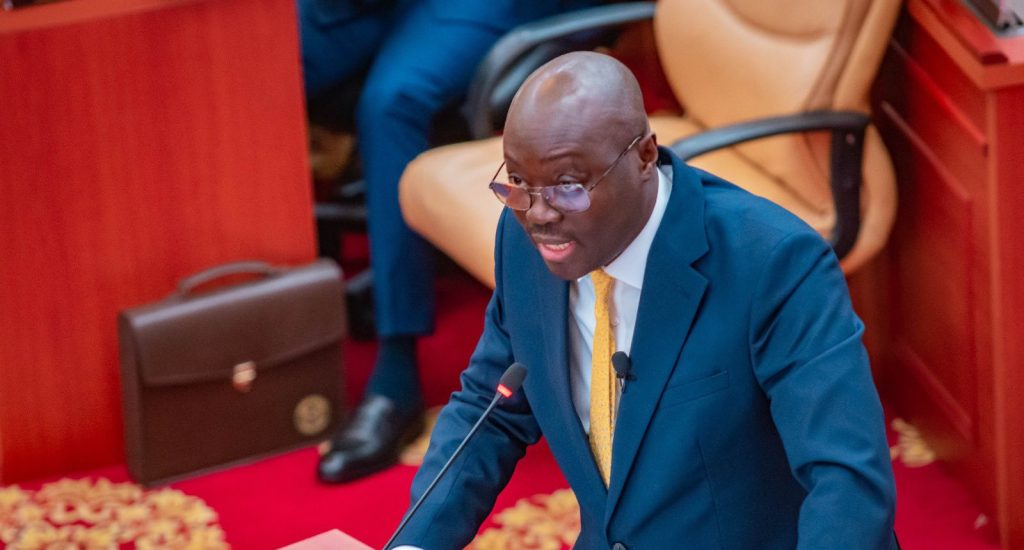
The flurry of rallies, petitions, and policy statements in Accra last week underscores one truth: debt has become Africa’s single biggest development bottleneck, and Ghana sits at the heart of this storm. With Ghana’s debt now estimated at over GH¢800 billion, and Africa’s overall external debt surpassing US$1.3 trillion, the urgency is undeniable. But as Finance Minister Dr. Cassiel Ato Forson rightly observed, the question is not whether countries want to pay, but whether they can pay.
Why Is Debt So High? It is tempting to frame Africa’s debt woes as purely a story of mismanagement, but that is only half the picture. External shocks have piled pressure on already fragile economies. The COVID-19 pandemic derailed fiscal plans, shrank revenues, and forced emergency borrowing. The Ukraine war pushed food and fuel prices sky-high, worsening current account balances. On top of that, Africa borrows in a global financial system tilted against it; facing higher interest rates and shorter maturities than peers elsewhere. Frameworks like the G20’s Common Framework are slow, creditor-biased, and often leave distressed countries hanging. Climate disasters further complicate matters: floods, droughts, and storms wipe out infrastructure, forcing governments back to lenders to rebuild.
But honesty demands we acknowledge internal failings too. Fiscal indiscipline, weak revenue mobilization, and governance lapses have deepened vulnerabilities. Political instability and coups across parts of the continent have equally dented investor confidence and driven up borrowing costs. In Ghana’s case, election-cycle overspending, underperforming state enterprises, and limited structural reforms are central drivers of the current crisis.
The United Nations, in its 2024 report, ‘Unpacking Africa’s Debt: Towards a Lasting and Durable Solution’[1], makes a critical point: debt is not inherently bad. When well-managed, borrowing can finance investments in roads, schools, energy, and technology, fueling growth and development. The problem is when debt becomes a survival tool, used to patch budget deficits and pay interest on older loans.
Among its recommendations are:
- Access to affordable finance: Reform multilateral development banks (MDBs) to extend 30–50-year concessional loans, lend in local currencies, and scale up predictable climate finance.
- Lower borrowing costs: Convert high-interest, short-term debt into longer-term, lower-cost instruments, and improve the Common Framework to ensure timely and fair restructuring.
- Debt sustainability innovations: Embed state-contingent clauses that suspend debt during crises, and expand debt-for-development, debt-for-nature, and debt-for-climate swaps and establish a Sovereign Debt Authority to prioritize development in debt treatment.
- Regional cooperation: Strengthen African financial institutions, promote cross-border financing, and deepen regional capital markets to reduce dependency on external creditors.
For Ghana, the stakes are immediate. Rising debt service costs have crowded out spending on education, health, and infrastructure. The TUC’s call for urgent action reflects how ordinary workers experience debt not as an abstract figure but as failing hospitals, overcrowded classrooms, and wage arrears.
What is clear is that neither blanket debt cancellation nor endless austerity is a sustainable solution. Ghana and Africa more broadly must strike a balance: reform domestic fiscal management while demanding a fairer global financial system. Debt, if realigned with development priorities, can become a tool for transformation rather than a trap.
The rallies in Accra and the voices of labour, policymakers, and citizens are therefore not cries of despair but a call for fairness. If global partners are serious about shared prosperity, they must meet Africa halfway with reforms that give countries like Ghana the fiscal breathing room to invest in their people and their future.
News Reports
- Pan-African debt cancellation rally kicks off in Accra – CitiNews.
- TUC demands urgent action on Ghana’s soaring debt.
- Ato Forson backs calls for fair deal on Africa’s $1.3 trillion debt.
Credit- IMANI’s Criticality Analysis of Governance and Economic Issues August 24–30, 2025