
Confronting Fiscal Irregularities: The 2024 Auditor-General’s Report vs IMANI’s Policy Prescriptions

Ghana’s public finance landscape has been laid bare by two complementary assessments: the Auditor-General’s 2024 annual report, which uncovered GH¢18.4 billion in irregularities across the entire public sector, and IMANI’s third Fiscal Recklessness Index (FRI), which isolated GH¢4.9 billion in discrepancies among Ministries, Departments, and Agencies (MDAs) from 2021–2023. Together, these studies expose deep‐seated weaknesses […]
Probing the 2025 Mid-Year Budget Review: Is Ghana’s Economic Governance on Track?
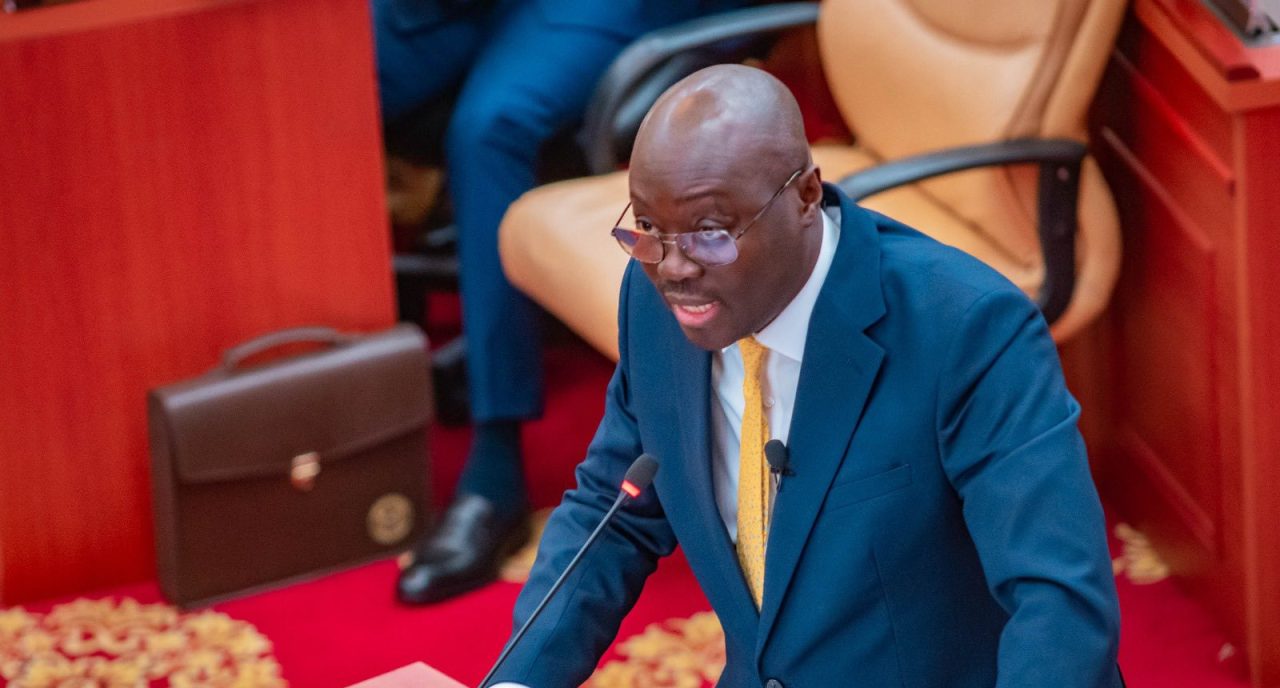
On the 7th, the IMF Executive Board convened in Washington and gave its blessing to Ghana’s fourth review under the three-year Extended Credit Facility, unlocking a further US$367 million. That endorsement came against a backdrop of the cedi’s dramatic rebound. After sliding to historic lows in 2024, the currency has strengthened by some 42 percent […]
‘Sacred’ Irregularities: Inside Ghana’s National Cathedral Project
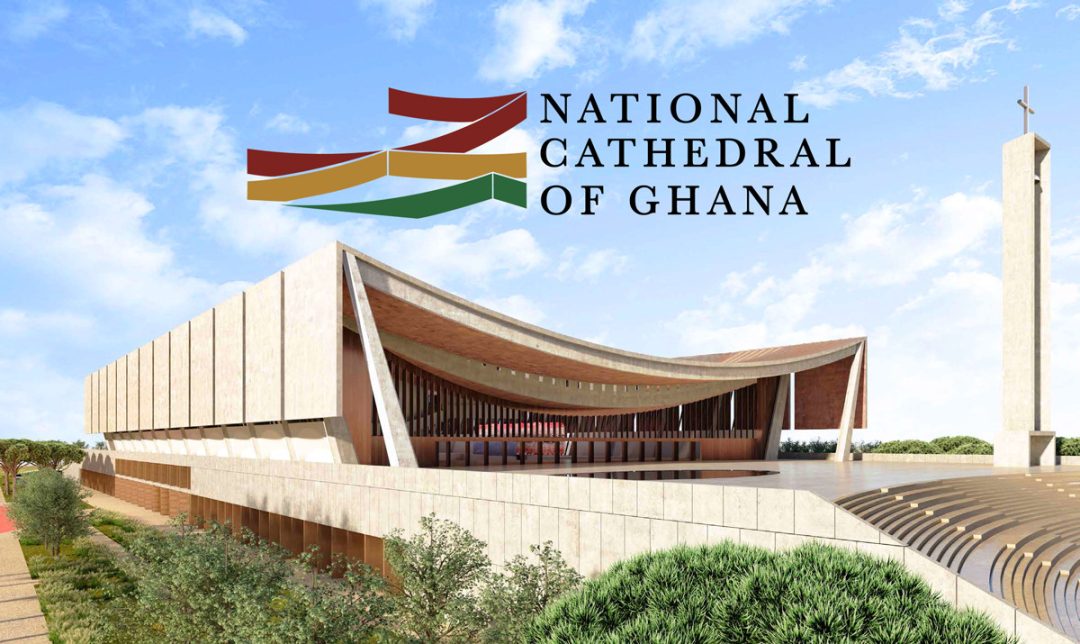
When a nation vows to etch its faith onto the skyline, few imagine the foundations will crack under the weight of financial and governance doubts. Ghana’s National Cathedral—heralded as a unifying symbol of faith and nationhood—has become a case study in how lofty ambitions can falter without rigorous oversight. The recent Deloitte audit lays bare […]
Can Ghana’s Prosecution and Courts Keep Up with Rising Financial Crimes?

In the span of just a few months, Ghana has witnessed a cascade of high-profile corruption scandals—from the $28 million extortion case in the fuel sector to sprawling fraud rings at Customs and the Ghana Education Service. These incidents expose not only brazen abuse of public office but also the yawning gap between the sophistication […]
Inside the NPP’s Delegates Conference: Reform, Friction, and the Politics of Clarity

On a sunlit Saturday at the University of Ghana Stadium, over 5,500 delegates of the New Patriotic Party (NPP) gathered under the banner “Rebuilding Together with Our Values.” Fifty-nine (59) motions to amend various provisions in the NPP Constitution, especially those on polling station, constituency, external, regional and national organisations were on high stakes at […]
Ghana’s Lithium Deal Is Back in the Spotlight; But What’s Really Going On?

When the Government of Ghana signed a mining lease with Atlantic Lithium in October 2023 to develop the country’s first lithium mine in Ewoyaa, it was touted as a major step forward, Ghana’s entry into the global green minerals race. But almost immediately, concerns began to surface. The deal offered Ghana a 10% royalty and […]
Ghana’s GSS Business Survey Is Underway — But Will Government Treat Data as Core Economic Infrastructure?

The Ghana Statistical Service (GSS) has launched Phase II of the Integrated Business Establishment Survey (IBES II). Over 2,000 enumerators will cover more than 40,000 businesses nationwide, spanning both the formal and informal sectors across over 100 economic activities. It is a significant undertaking, one that would provide current data on how businesses are performing, […]
Dollarisation and the Cedi: A Deeper Look at the Real Threat

Despite recent gains by the cedi, the persistent dollarisation of Ghana’s economy is fast becoming a critical challenge. Businesses continue to price goods and services in dollars, from luxury real estate and tuition to retail and hospitality, even though transactions happen entirely within Ghana. The Bank of Ghana (BoG) has raised the alarm. BoG Governor […]
A Strong Cedi No One Feels: Dollar Scarcity, Broken FX Signals, and the Real Work Ghana Must Do

Importers in Ghana have raised a concern: they are unable to get dollars from the banks and are increasingly forced to turn to the black market, where rates are far higher than the Bank of Ghana’s quoted interbank rate of around GH¢10.30 to the dollar. This reflects a growing disconnect between official data and economic […]
Two Terms Means Two Terms: Why President Mahama Cannot Constitutionally Seek a Third Mandate
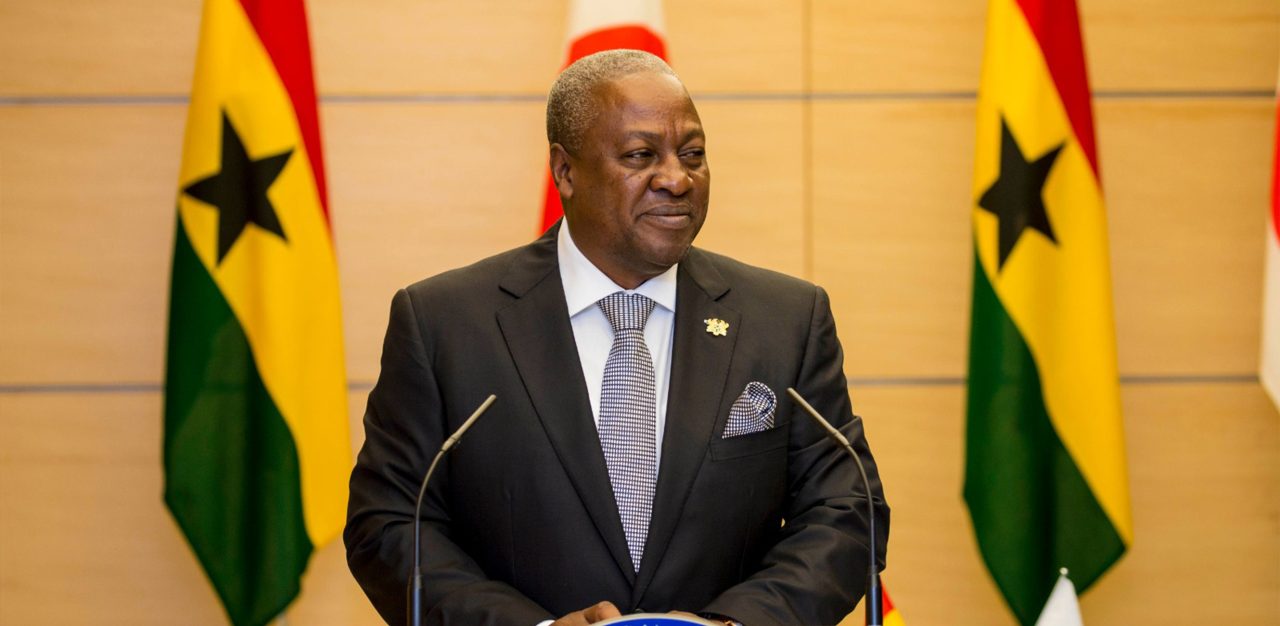
After a remarkable political resurgence and a decisive victory in the 2024 elections, President John Mahama has earned widespread commendation for his economic stewardship in just five months. Confidence is rising, inflation is easing, and investor sentiment has rebounded. Yet, amid the goodwill, murmurs are surfacing: could Mahama—extoled by his renewed popularity—seek a third term? […]
From Rupture to Renewal: Making the Case for Early Leadership in the New Patriotic Party
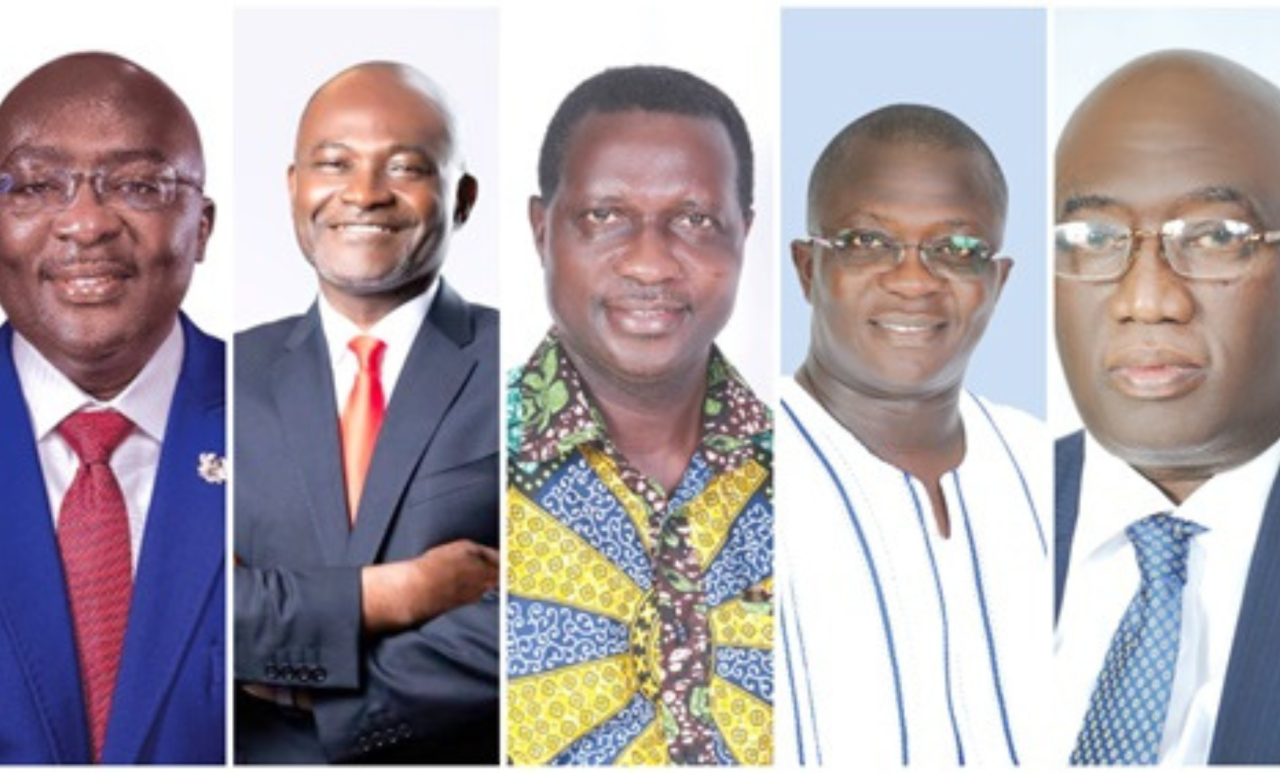
The New Patriotic Party (NPP), once buoyed by the mandate of 2016 and the renewal of 2020, now stands at its most vulnerable moment in decades. The defeat in the 2024 general elections wasn’t merely electoral—it was existential. For a party that has long claimed the mantle of liberal economic stewardship and democratic resilience, the […]
Clarifying the term: What ‘Budget Support’ Really Means
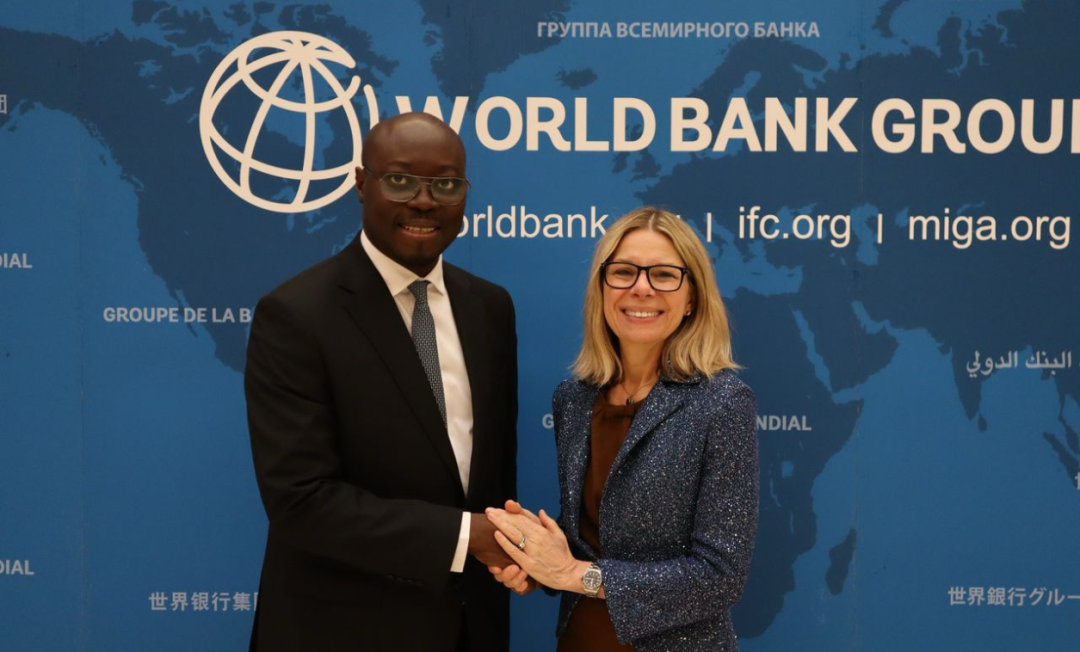
In last week’s analysis on the $360 million World Bank facility, we reflected on the importance of clear and accessible public communication when announcing large-scale financial support. It is important to clarify that the Ministry of Finance was right to describe the funding as budget support, according to the World Bank’s definition. In World Bank […]
Ghana Can’t Build a 24-Hour Manufacturing Economy on an Empty Raw Materials Base
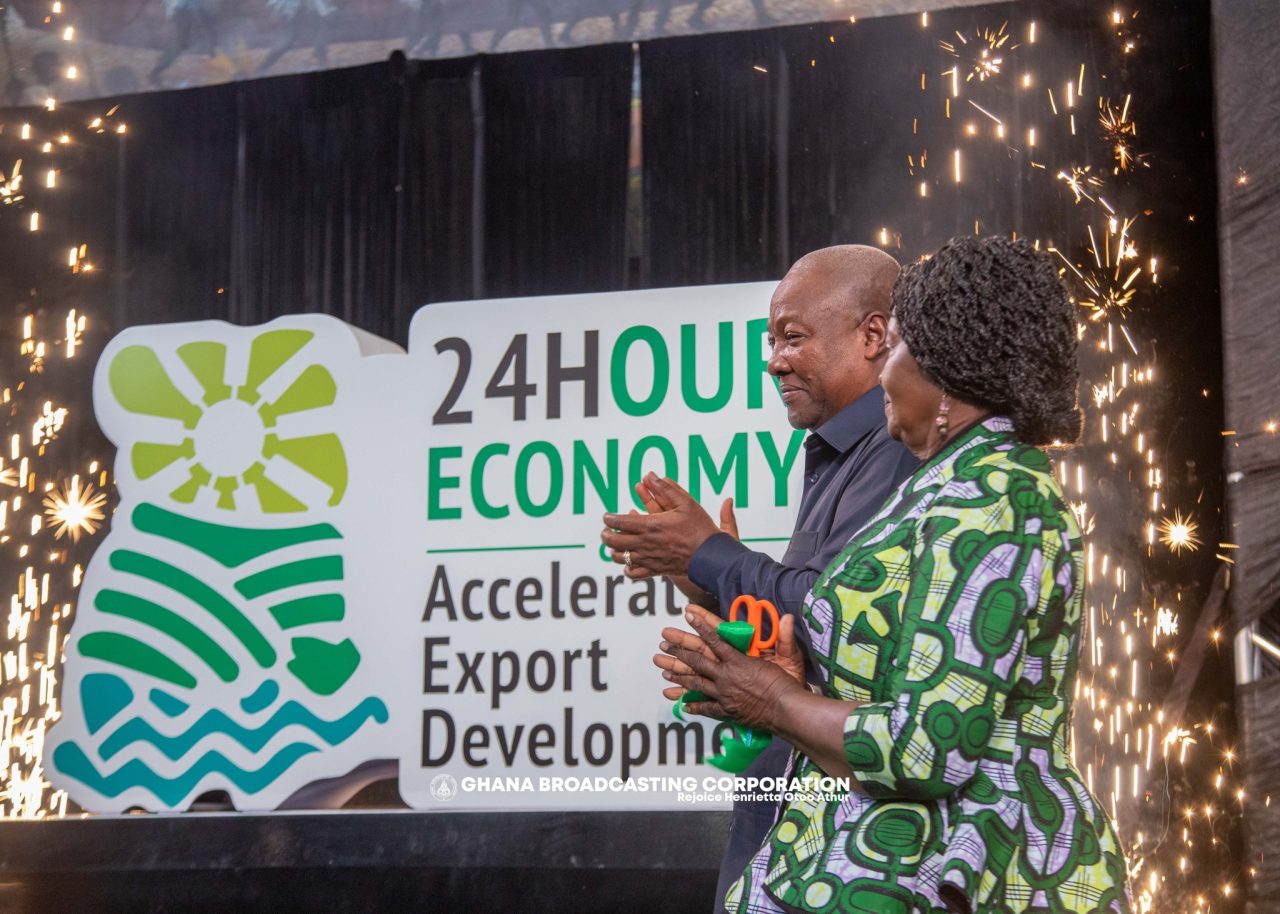
If Ghana is serious about building a 24-hour economy powered by manufacturing, it must first get serious about what fuels manufacturing, raw materials. Cocoa processors are underutilized, cashew factories are collapsing, and the government has announced to implement a phased ban on the export of raw shea nuts by 2026. These aren’t just scattered sectoral […]
MiDA–IFC Agribusiness Partnership
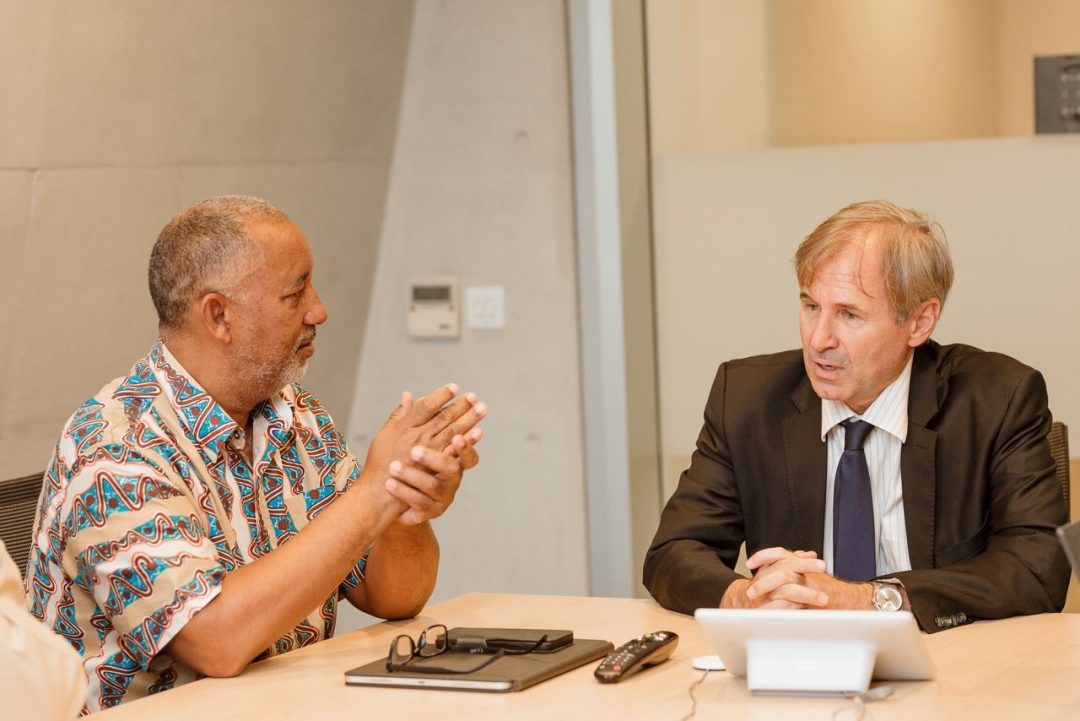
The partnership between the Millennium Development Authority (MiDA) and the International Finance Corporation (IFC), focused on developing large-scale agribusiness enclaves, is a good plan because it starts with something Ghana’s agricultural reforms often skip: research, feasibility, and intentional design. The enclaves located in Kasunya, Oti, and Afram Plains span nearly 50,000 acres and are being […]
GIPC’s Investment Opportunities Mapping Project: Leveling the Field or Just Charting the Terrain?

Is unequal investment caused by unfair choices, or by unequal conditions? That’s the question at the heart of GIPC’s new Investment Opportunities Mapping Project (IOMP), a promising initiative designed to catalog viable projects across all 261 districts of Ghana. The idea is simple enough: build a database, launch a digital platform, promote clusters like the […]
Missing Link? The Office of the Special Prosecutor in the NDC’s Anti-Corruption Drive
President Mahama and the NDC swept into power in January 2025 with an overwhelming mandate from Ghanaians in the 2024 general elections. One key contributing factor to his election victory was the promise of ORAL, the operation to recover all looted public funds and assets by folks in the former administration. Since then, the Attorney […]
Rethinking Representation: Ghana’s By-Election-Dilemma and the Case for Electoral System Reform
It looks like we got it right with our election of the President of the Republic of Ghana—absolute majority, clear succession plan, a definitive term limit, and a clear procedure for challenging the election of President. However, there is an owing onerous work to make parliamentary representation of the people absolute and inclusive. The recent […]
Election Integrity: Lessons from Ablekuma North for Akwatia’s By-Election
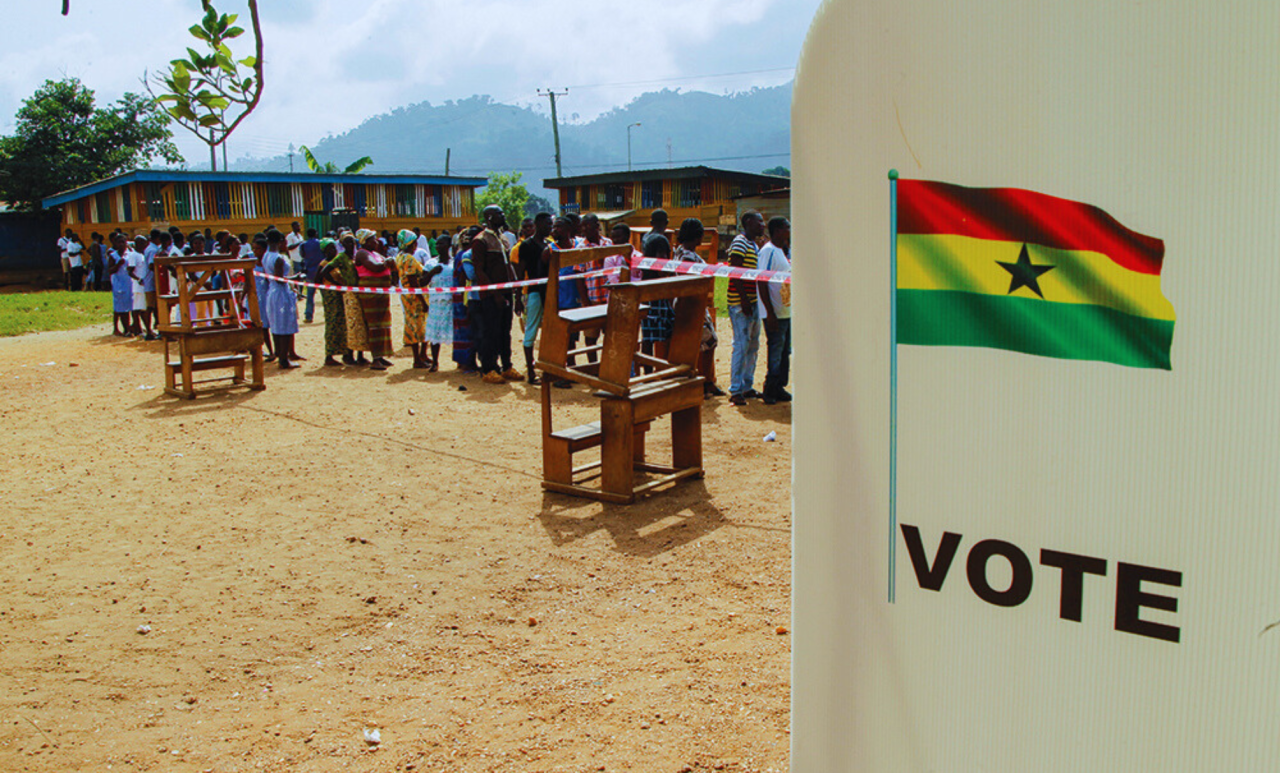
The July 11, 2025 rerun of the 2024 Parliamentary Election in Ablekuma North exposed deep fissures in Ghana’s electoral architecture. What began as a targeted remedy to disputed votes spiraled into confusion, protracted delays, and violence. Mixed signals from the Electoral Commission—first citing three stations for rerun, then nineteen—undermined confidence in its verification protocols and […]
Criticality Analysis of Governance & Economic Issues | June 29 – July 5
This week’s Criticality Analysis from IMANI unpacks key developments in governance and economic policy with far-reaching impacts on Ghana’s democratic progress and fiscal stability. Our non-partisan review offers expert insights and practical recommendations. Key Stories Covered: When Polls Meet Party Power: National polls show favourites, but it’s the delegates, not the public, who crown flagbearers. […]
Weekly Criticality Analysis: The Real Cost of Energy Levies and Ghana’s Rule of Law Stress Test
Listen to the full report In back-to-back governance and economic reviews, IMANI’s latest Criticality Analysis reports for the weeks ending May 30 and June 7, 2025, assess a series of pivotal developments shaping Ghana’s public life. We dissect the legal standoff between the OSP and Ken Ofori-Atta, analyse the creeping regional threat of democratic erosion, […]