Illegal mining, or galamsey, has evolved from being dismissed as an environmental nuisance into one of the most pressing economic and governance crises facing Ghana today. Its tentacles now reach across nearly every sector, undermining agriculture, energy, water, health, and even national security. The problem is no longer sectoral; it is systemic.
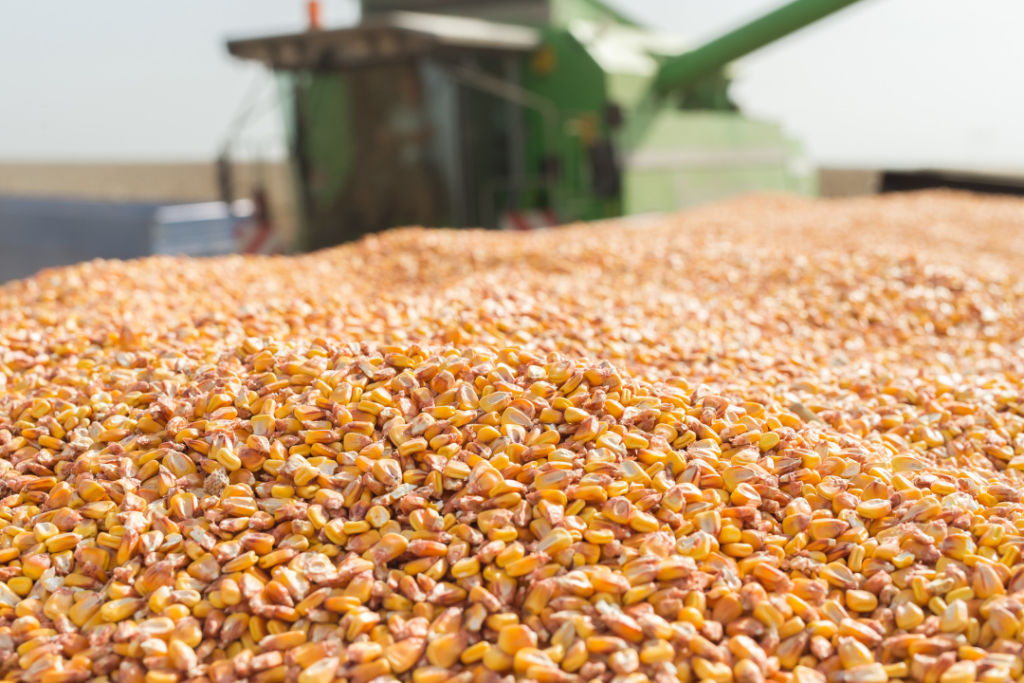
The agricultural sector remains most visibly exposed. The Minister for Food and Agriculture has described the harmful chemicals used in galamsey as the single greatest threat to food production. Cocoa production is declining as fertile lands are destroyed, and rubber producers warn that their industry faces a looming existential risk. Beyond cash crops, the contamination of soils and water raises alarms over food security, with toxic chemicals increasingly being detected in staples meant for local consumption.
The energy and infrastructure sectors are also under siege. Ghana Gas has warned that illegal mining encroaches dangerously close to gas pipelines, risking catastrophic damage. GRIDCo has told Parliament that transmission towers are being undermined by miners digging beneath them, with staff even coming under fire in some areas. The implications are serious: a power sector already battling structural inefficiencies must now confront sabotage from lawless activity.
The water sector bears another heavy cost. The Ghana Water Company Limited has been forced to shut down plants such as the Kwanyako Headworks due to galamsey pollution. Across the board, water treatment costs have surged as facilities spend more resources distilling polluted water, costs that eventually translate into higher tariffs. Ironically, while consumers are asked to conserve water and pay more, polluters continue unchecked.
The health sector will likely carry the longest burden. Mercury and cyanide residues in rivers and food chains are silent killers that may not show immediate effects but will drive chronic illnesses for decades. Rising waterborne diseases in mining communities are an early signal of what could become a nationwide public health crisis.
It is against this backdrop that there have been intensified calls for the government to declare a state of emergency. Their case is that galamsey now meets the constitutional threshold: it endangers life, water, and livelihoods on such a scale that extraordinary measures are justified.
IMANI’s Criticality Analysis offers a pragmatic middle path[1]. A narrowly targeted, time-bound emergency could secure the most devastated hotspots, dismantle entrenched criminal syndicates, and give enforcement agencies the breathing room needed to apply the new regulatory measures effectively. But this must be matched with transparency, judicial oversight, clear performance indicators, and a transition plan that embeds community compensation, environmental restoration, and alternative livelihoods. Otherwise, Ghana risks militarizing a problem without solving its root causes.
The galamsey debate, therefore, reveals a fundamental governance dilemma: Ghana must act with urgency, but not recklessness. The ecological, economic, and human costs of delay are mounting by the day, yet the risks of unchecked emergency powers are equally real. What is clear, however, is that incremental enforcement has failed. To save its rivers, restore its farms, secure its energy infrastructure, and protect its people’s health, Ghana must treat galamsey as a national emergency, not necessarily in the legal sense of Article 31, but in the practical sense of political will, policy priority, and resource allocation. Anything less would be a dangerous gamble with the country’s future.
Credit- IMANI’s Criticality Analysis of Governance and Economic Issues September 22–27, 2025