
IMANI Brief: GARID and Urban Governance as Adaptation and Strategic Measures to Address Perennial Floods
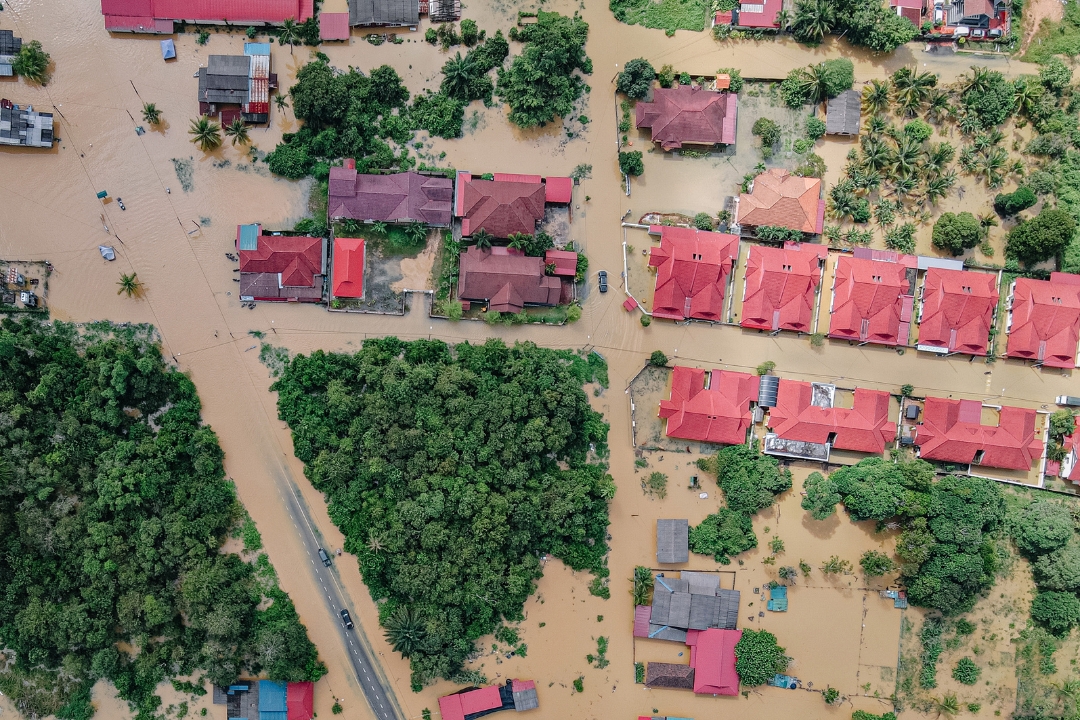
Accra faces an unending cycle of environmental catastrophe. Recent weeks have once again exposed the city to devastating floods, dangerous building collapses, and fire hazards that threaten the safety of residents. The Greater Accra Resilient and Integrated Development (GARID) project was conceived as the definitive response to this vulnerability. It was born from the tragedy […]
IMANI Brief – “Ka bi, ma me nka bi” and the Question of Who Gets to Say What, When and How
“I hear the incompetent one says he wants to come back. He wants to come and do more damage. As if he didn’t do enough damage? Well, we are waiting for him.” This unembellished populist declaration made by Vice President H.E Dr. Mahamudu Bawumia in 2018 against H.E President John Dramani Mahama (outgone) stands in stark similarity to […]
Ghana-Nigeria Retail Trade War: Making Cross-Border Trade and Entry Work
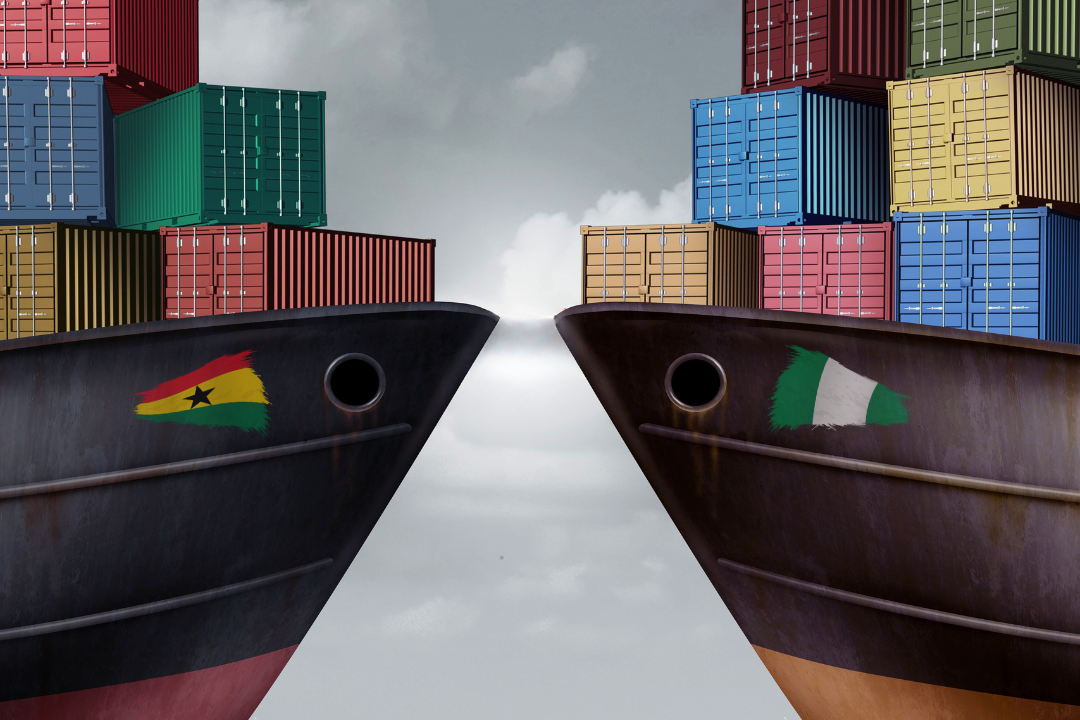
From Abossey Okai spare sparts dealing to Adjen Kotoku onion market, the trade war between Ghanaians and Nigerians silently shifted and escalated. In April 2026, at the Adjen Kotoku Market in Accra, it was not a war of artillery shelling but of bags of red onions and a complex web of legal papers. While the […]
IMANI Brief: When Service to Nation Becomes Opportunities for Sale

Kwadjo (true identity withheld) had, with utmost optimism, applied to join the army infantry officer cadet corps in 2019, just a couple of months before his national service as a teaching assistant ended. First was the body selection, which he passed. He passed the aptitude exams, then the obstacle and leadership tests, and lastly the […]
From Price to Productivity: Why Ghana’s Cocoa Conversation Must Change
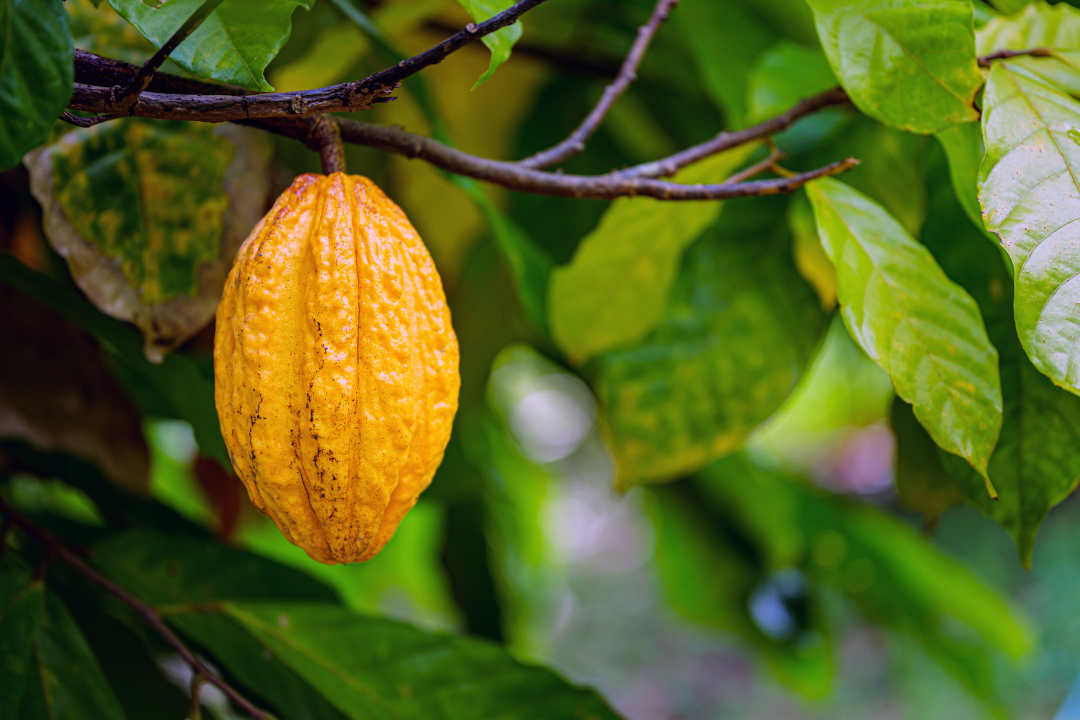
There is a particular cruelty in watching a nation argue about the price of its poverty. When Ghana’s Finance Minister stepped before cameras in February 2026 to announce a 29% cut in the farmgate price of cocoa, reducing it from GH₵3,625 to GH₵2,587 per bag, the announcement landed not merely as an economic adjustment but […]
Burkina Faso, Tomatoes, and the Implementation Test of AETA

The recent attack in Burkina Faso affecting Ghanaian traders has once again drawn attention to a quiet but deeply embedded feature of Ghana’s food economy: structural dependence on tomatoes imported from its northern neighbour. Ordinarily, such an incident would be discussed purely within a security frame. But in the current context, it intersects directly with […]
Ghana’s 24-hour Economy Needs Systems, Not New Authourities
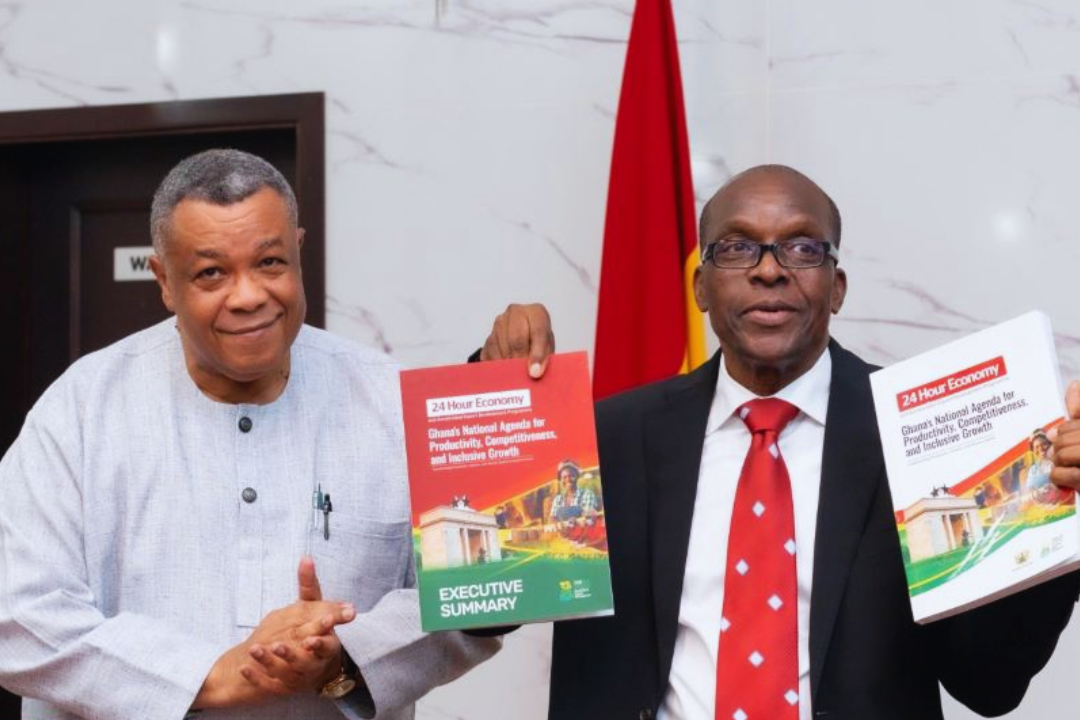
Last week, the Parliament of Ghana took a decisive step by passing the 24-Hour Economy Authority Bill, establishing a corporate body to oversee and coordinate the government’s flagship 24-hour economy and accelerated export development programme. On the surface, the move signals a serious commitment to economic transformation. However, a deeper look at Ghana’s recent governance […]
Internal Party Democracy and the Delegates System: Why More Votes Don’t Guarantee Cleaner Primaries
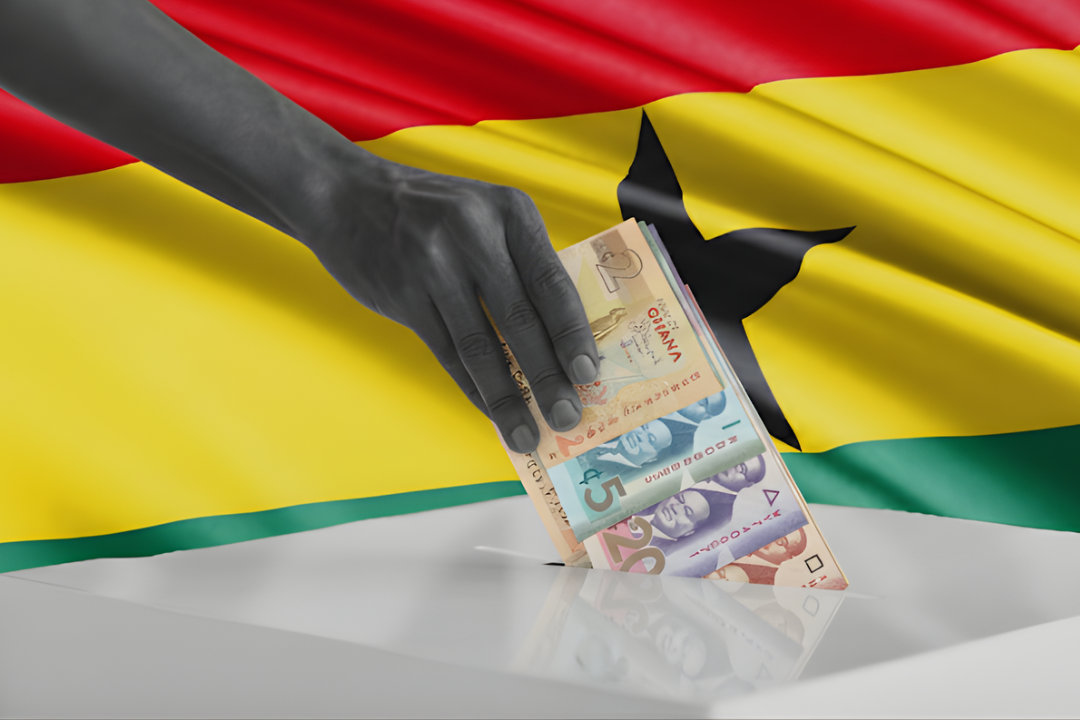
The dust has settled on the New Patriotic Party’s recent presidential primary, yet the atmosphere remains thick with unresolved questions. While the election of Dr. Mahamudu Bawumia as flagbearer for the 2028 contest set a historic precedent, the mechanism of his victory, the entrenched delegate system, though expanded for the 2026 primary, has once again […]
We Must Choose Law over the Ceremonial Peace Pact
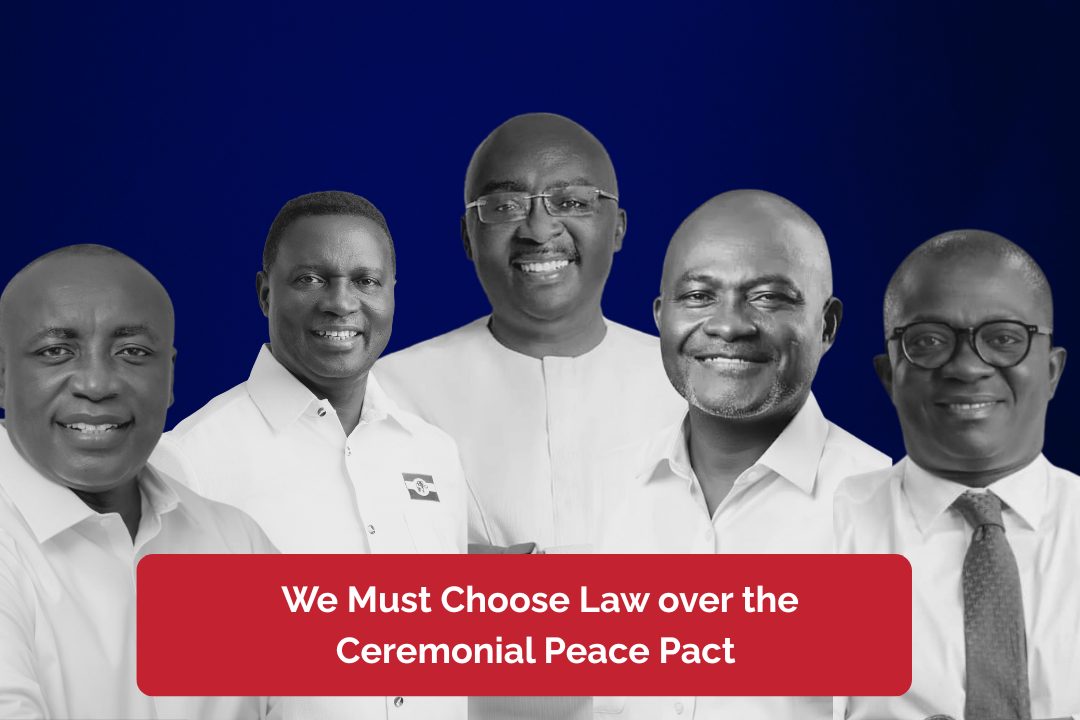
Still licking wounds of a stinging electoral defeat? The New Patriotic Party (NPP) finds itself at a crossroads in an urgent attempt to resuscitate the party with an early presidential primary. The stage is now set for the January 31 primaries. The atmosphere of the internal democratic exercise to select a flagbearer for the 2028 […]
Economies Run on Wheels: Yet, Ghana’s Growth is Stuck in Traffic

The invention of the wheel was civilization’s first great “time machine.” It literally allowed us to shrink distance: to move more than we could carry and travel further than we could walk. From the steam engines of the British Industrial Revolution to the Interstate Highways in the US; the Boeing, Airbus and Antonov to the […]
“The Committee Endorses Proportional Representation.” Let’s Discuss

For three decades, Ghana’s parliamentary elections have been conducted under the first-past-the-post (FPTP) system. This arrangement, rooted in single-member constituencies, has provided the country with a measure of stability and unity in a multi-ethnic and multi-religious society. By compelling candidates to appeal to broad constituencies, the system has fostered national cohesion and discouraged the fragmentation […]
Democratic Governance and Political Stability in West Africa and Beyond Must Be an Imperative Foreign Policy for President Mahama
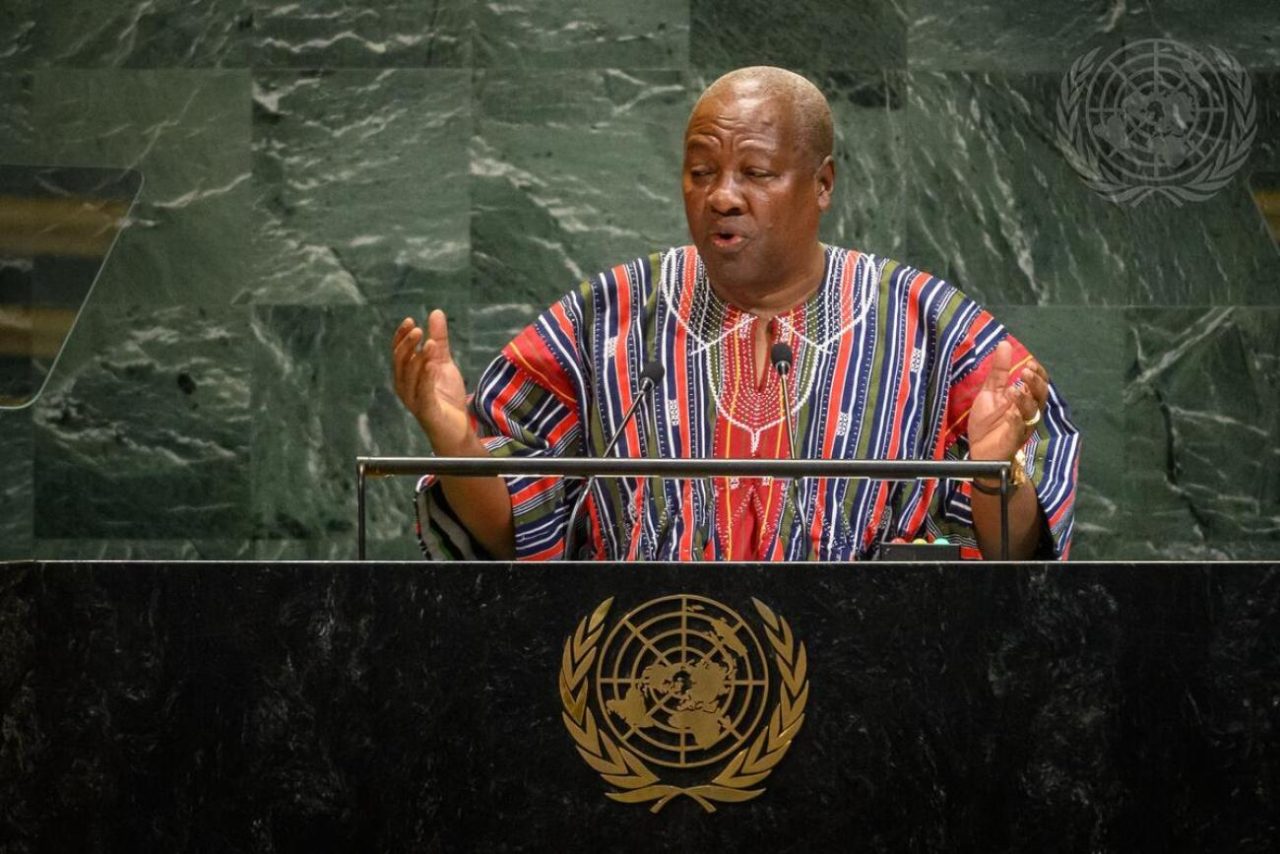
President Mahama’s early diplomatic travels following his 2024 election victory signalled Ghana’s intent to strengthen ties across West Africa. His visits to neighbouring states and the presence of regional leaders at his inauguration reflected goodwill and recognition of Ghana’s democratic credentials. Yet, within a year, the sub-region has witnessed escalating instability: coups, electoral manipulation, insurgent […]
Ghana: A Nation Its Citizens Struggle to Identify With
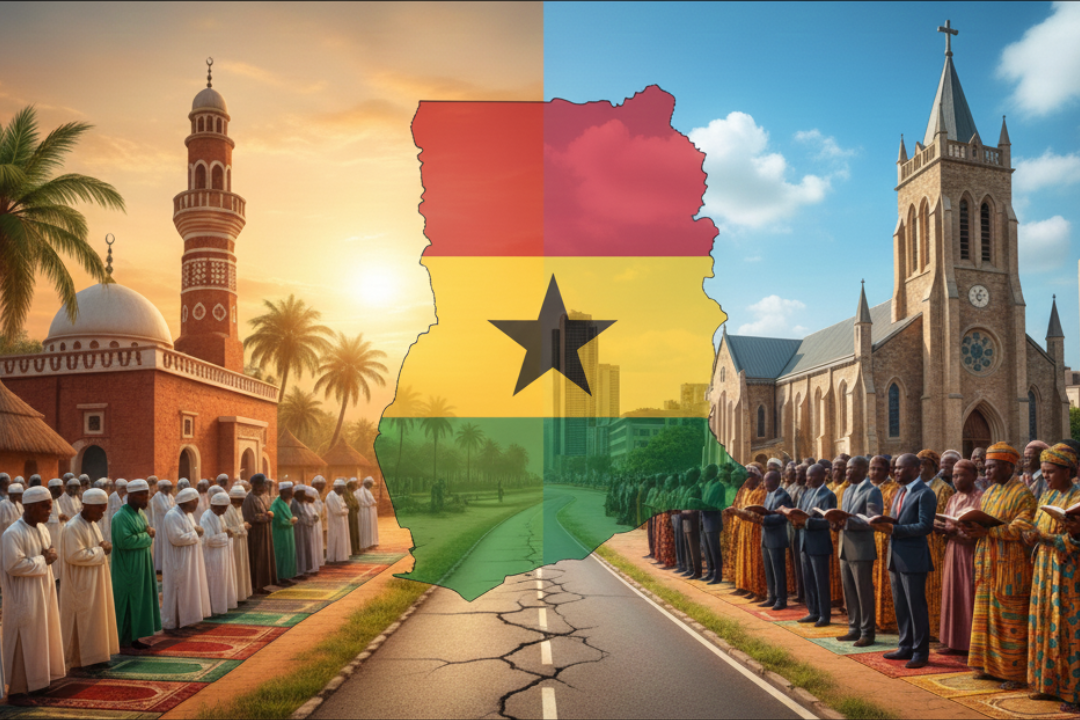
A nation within a territory, basically, is bound by a common ancestry, language, and culture. Along with this assertion, modern-day Ghana will not fit in. We are a people of multiple groups with very distinctive cultural heritage and language. Although there are claims of cultural linkages and certain common lingual foundations, respective practices and communal […]
Rethinking NAIMOS: Strengthening Ghana’s Fight Against Galamsey

Illegal artisanal and small-scale mining (galamsey) remains one of the most pressing governance and environmental challenges confronting Ghana. Despite successive governments pledging to eradicate the menace, its persistence continues to devastate rivers, forests, and rural livelihoods. The Mahama-led National Democratic Congress (NDC) government, in line with its 2024 manifesto commitments, has rolled out several initiatives […]
Eye on Social Services: Tracking the Educational Commitments in 2025 and 2026 Budget Statement and Economic Policy

Education remains one of the social services that the government is committed to enhancing. Year in and out, the budget statement and economic policy of the government are read to the famous voice acclamation of MPs in Parliament, the government’s resource allocation to key educational sector programmes and initiatives. Allocations to earmarked expenditure items like […]
Articulating The 24-Hour (Plus) Economy Policy from Promise to Policy Implementation
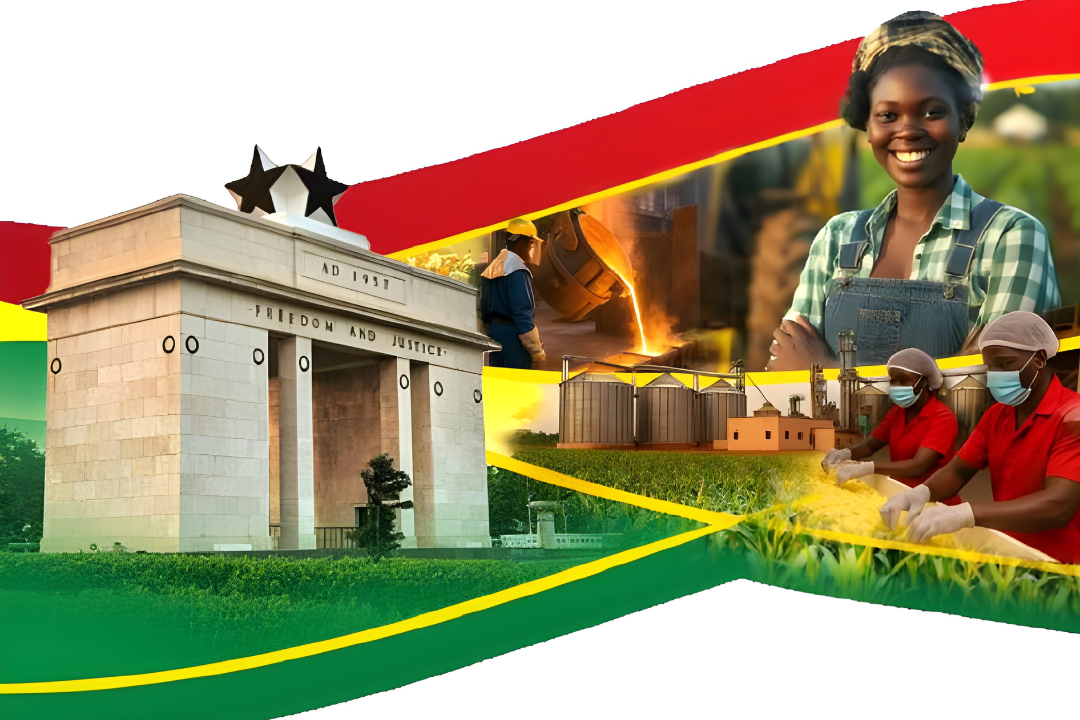
Policy trajectory The 24-Hour Economy, introduced by the National Democratic Congress (NDC) in its 2024 manifesto, has evolved into the flagship productivity agenda of government. Initially framed as “same job, three shifts, three people,” the policy promised to stimulate growth, create jobs, and transform Ghana into a round-the-clock industrial hub. As it stands, the narrative […]
Critical Analysis of Governance & Economic Issues (November 3–8, 2025)

Ghana’s policy environment continues to shift under the pressure of economic reform, resource governance challenges, and rising public expectations. In this week’s edition of IMANI’s Critical Analysis of Governance & Economic Issues (CAGEI), we provide a concise, evidence-based assessment of the most consequential developments shaping governance and economic management. This issue examines four major themes: […]
Ghana’s 24-Hour Economy: Assessing the Affordability and Rewarding Capacity of the Night Component
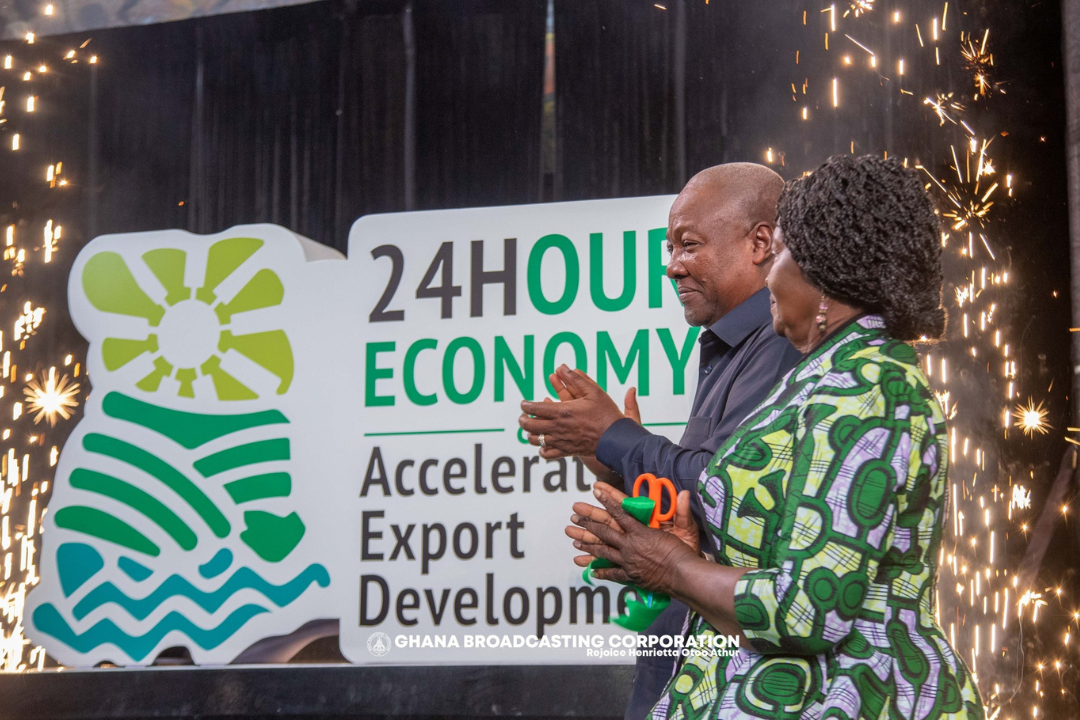
When the second Mahama-led NDC government secured victory in the 2024 elections, it did so on the strength of its flagship promise: the 24-hour economy. Since assuming office, the administration has rolled out the 24Hr Plus Policy Programme, targeting key sectors of the economy with the ambition of driving growth, expanding employment opportunities, and positioning […]
The Atlantic Lithium (Ewoyaa Project) Deal: Why Ghana’s Parliament Should Not Ratify a Flawed Agreement
Two years on, with the project still stalled and a revised agreement now set to be tabled before Parliament, the question is not whether Ghana should ratify quickly, but whether it should ratify wisely. To do otherwise would be to repeat history’s mistakes with eyes wide open. When Ghana first announced its landmark lithium mining […]
Ghana’s Vaccine Manufacturing Ambition and Africa’s 2040 Challenge

When Ghana established the National Vaccine Institute (NVI) after the COVID-19 pandemic, it was more than a bureaucratic creation; it was a recognition of the country’s new vulnerability. The pandemic had revealed how fragile Africa’s health-security architecture truly was: even with money in hand, access to vaccines depended on global supply chains and the goodwill […]