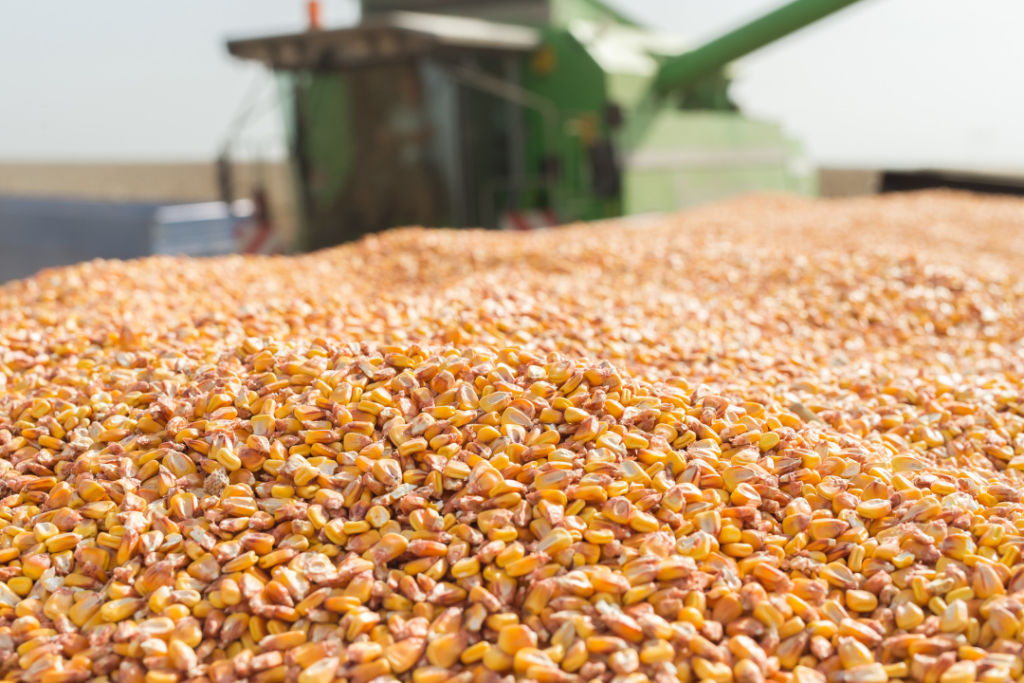
Industrialization begins not in the factory but on the farm. Without secure, reliable raw materials, even the most ambitious industrial policies collapse at the first hurdle. Ghana’s cashew and rubber sectors and even the shea sector bring this reality into sharp relief: both carry immense potential, yet both are trapped in a cycle where raw exports dominate, processors starve, and the promise of value addition remains unfulfilled.
Cashew has become one of Ghana’s most important non-traditional exports. But only 6–10% of raw nuts are processed locally. The overwhelming majority is exported raw, mostly to India and Vietnam, where processors pay attractive spot prices. This dynamic has left Ghanaian factories without enough feedstock to survive.
The case of Usibras, Ghana’s largest cashew processor, is telling. After operating for nearly a decade, it is now considering relocation to Côte d’Ivoire, citing a lack of raw materials, high energy costs, and export tariffs that erode competitiveness.
For farmers, exports remain the rational choice. Exporters offer quicker payments and sometimes higher margins than domestic processors can afford. If the government moves to restrict raw exports, farmers may simply shift to smuggling unless such a policy is paired with meaningful incentives, better farm-gate prices, subsidized inputs, and guaranteed off-take arrangements. On top of this, climate change has begun to bite, with erratic rainfall and rising temperatures lowering yields and threatening long-term production.
Globally, natural rubber is a $300 billion industry underpinning more than 15,000 products, 70% of which go into transportation. Ghana should be well-positioned: over 45,000 hectares of land under cultivation, laws that prioritize local processors (the TCDA Act of 2010 and LI2471), and growing demand from industries across West Africa. Yet reality tells another story. Ghanaian factories operate at less than 40% of capacity, while raw exports dominate. This costs the country roughly $100 million annually in lost value addition. By contrast, Côte d’Ivoire has surged ahead, already producing condoms, gloves, and motorcycle tires, and earning about $2.1 billion from rubber exports last year.
The bottlenecks are clear: Traceability collapse has eroded structured markets. Informal roadside trading undermines price stability for farmers and diverts raw material away from processors. Galamsey encroachment in the Western Region is degrading plantations, mirroring the destruction long seen in cocoa. Enforcement gaps mean laws that should supply processors first are barely applied, allowing raw exports to drain the industry.
Mr. Emmanuel Akwasi Owusu, President of the Association of Rubber Actors of Ghana, during the Ghana Industrial Summit & Exhibition Forum 2025, has argued that the country needs a trial suspension of raw rubber exports for 3–6 months, to test whether local processors can absorb the volumes. Without such decisive measures, he warns, Ghana will continue to leak opportunities while competitors climb up the value chain.
The lessons are unmistakable. Cashew and rubber demonstrate that Ghana’s industrial ambitions are being undermined at the farm gate. Until the country protects its farmers, stabilizes supply chains, enforces its own laws, and deliberately prioritizes local processing, factories will continue to run idle while jobs, revenues, and opportunities are exported. Cashew and rubber are not isolated cases; they are symbols of Ghana’s wider industrial dilemma. We dream of factories, but without a reliable flow of raw materials, those factories cannot thrive. Whether it is poultry feed, cashew nuts, or natural rubber, the truth is the same: industrialization begins in the field.
The comparison with Côte d’Ivoire is a cautionary one. In rubber, they are already producing finished goods like gloves and tires, while Ghana still debates how to keep raw material at home. In cashew, they have surpassed us as the global leader in processing, while Ghanaian plants are idling. This divergence is not about potential; it is about policy clarity, enforcement, and incentives.
Export suspensions may buy time for processors, but they are not enough on their own. Farmers must see value in selling locally; otherwise, smuggling will erode any gains. Likewise, processors must be competitive, energy costs, financing bottlenecks, and outdated laws must be tackled to make local processing sustainable. Until Ghana closes the raw material gap, industrialization will remain a slogan rather than a lived reality
News Report
- Ghana’s Largest Cashew Processor Set To Relocate To Ivory Coast – Citinews.
- Trade Minister assures cashew processors of government support – Citinews.
- Two Local Cashew Processing Factories Face Imminent Closure.
- Rubber Industry Losing 100m Yearly Due To Lack Of Value Addition Association
- Galamsey Now The Biggest Threat To Ghana’s Rubber Industry – Kareweh
- Ghana enforces new export rules for raw rubber, cashew, and shea
Credit- IMANI’s Criticality Analysis of Governance and Economic Issues September 16–20, 2025