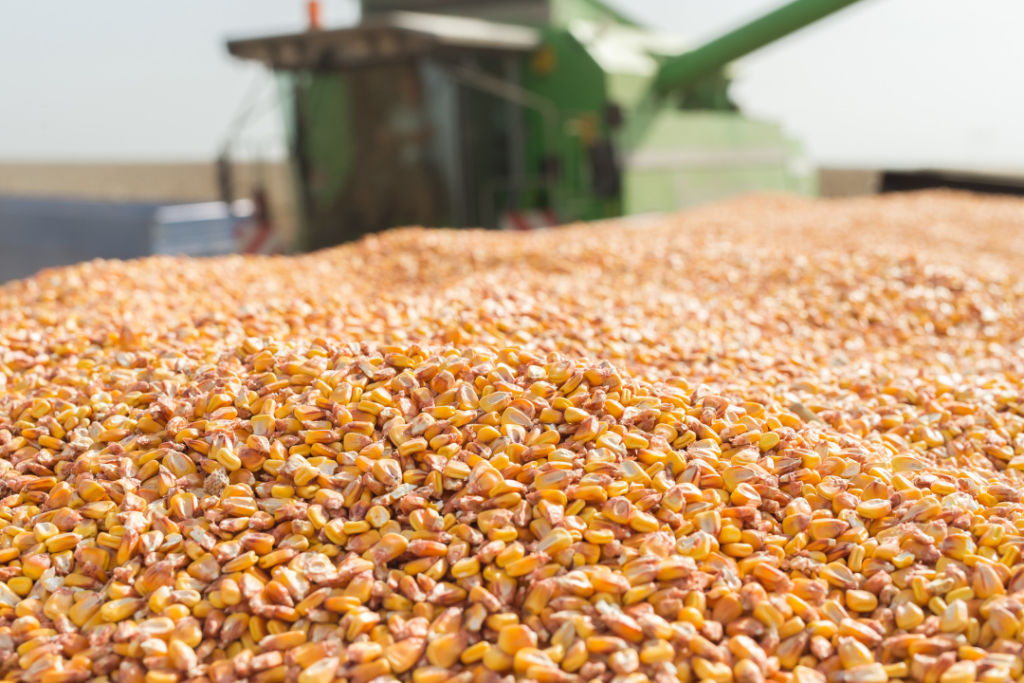
In the spirit of friendship and peace with all peoples of the world, Ghana recently donated 40 metric tons of cocoa products to Palestinians in Gaza amid a severe health, nutrition, and shelter crisis. This act echoes the pledge enshrined in the preamble of Ghana’s 1992 constitution to uphold international solidarity and goodwill. The Palestinian ambassador and visiting dignitaries publicly expressed profound gratitude, highlighting how Ghana’s gift of chocolate—a universal symbol of love—can transcend conflict zones and speak directly to the human heart.
Ghana’s identity is intertwined with cocoa, the raw material behind the world’s most beloved confection—chocolate. Celebrated annually on Valentine’s Day as Chocolate Day, this gesture leverages a homegrown emblem of compassion. By channelling its agricultural heritage into humanitarian giving, Ghana has demonstrated how soft power can be rooted in cultural products—turning Valentine’s celebrations into an international gesture of love.
This is not Ghana’s first pro bono initiative. In the aftermath of the 2010 Haiti earthquake, the Ghanaian government—building on grassroots momentum from the “1 for Haiti” schoolchildren campaign—announced a three-million-dollar donation to the Haitian people, fulfilling a promise by President Mills to stand with Haiti in its darkest hour. That campaign demonstrated how small acts, from GH₵1.00 contributions by students to national budget allocations, can coalesce into significant relief efforts
While ad hoc benevolence has garnered international praise, Ghana must consider a structured approach to foreign humanitarian aid. An earmarked fund—capitalized each fiscal year and reserved for crises such as wars, famines, climate-driven disasters, and natural catastrophes—would project an image of Ghana as a proactive global citizen. Such a fund would signal a commitment beyond symbolic gestures, reinforcing Ghana’s reputation for principled generosity.
To sustain this vision without compromising domestic priorities, Ghana’s macroeconomic framework must evolve toward recurrent budget surpluses. In market economic terms, this entails enhancing revenue mobilization through broadened tax bases and improved collection efficiency; rationalizing recurrent expenditures by trimming non-essential subsidies and streamlining public payrolls; leveraging public-private partnerships to fund infrastructure and reduce off-budget borrowing; and strengthening fiscal rules to enforce discipline. Establishing an independent agency to manage the humanitarian fund—similar to sovereign wealth models—could ensure transparency and ring-fence resources.
This chocolate donation should not be misconstrued as endorsing any party in the Israel–Hamas conflict. Consistent with its two-state solution advocacy, Ghana voted against the U.S. resolution to recognize Jerusalem as Israel’s capital, aligning with 128 other UN member states that insisted its final status be resolved through peace negotiations. Since hosting the PLO office in Accra in 1986 and staunchly upholding non-alignment, Ghana has balanced Israel recognition with support for Palestinian self-determination.
Delivering aid to Gaza remains fraught, as Israel maintains a tight siege and restricts crossings. The Rafah checkpoint on Egypt’s border has become the main entry point, but convoys face Israeli control on the Palestinian side. Egypt resumed daily aid deliveries via Rafah in late July 2025, with trucks carrying food and medical supplies—though only a fraction of the roughly 600 trucks needed each day manage to pass through. At Kerem Shalom, UN agencies report around 20 trucks languishing under review, while gangs and chaos at distribution points further imperil delivery. Ghanaian media should press for updates from Ministry of Foreign Affairs on how the chocolate shipment will navigate these bottlenecks to reach Gaza’s most vulnerable.
Beyond bilateral gestures, Ghana’s stability and peace position it as a regional anchor. Early in his second term, President Mahama traversed West Africa to fortify political and economic ties with neighboring states. Recent unrest in Togo, where protests over constitutional changes have sparked violence and potential refugee flows, stresses why Ghana must maintain vigilant engagement. Although Ghana’s response consisted largely of setting up 24-hour hotlines and assuring the safety of its nationals abroad, a more assertive mediation role—leveraging ECOWAS and bilateral channels—could help preempt spill-over effects and strengthen democratic norms across the subregion.
While tackling pressing domestic issues, Ghanaian authorities should also foreground their foreign policy achievements in public discourse. Regular briefings on international engagements, from humanitarian fund disbursements to diplomatic interventions, will demonstrate how Ghana’s constitutional commitment to global cooperation and the non-aligned movement is realized in practice. By weaving these narratives into national media coverage, Ghana can foster civic pride and build domestic buy-in for continued international engagement.
Ghana’s 40-ton chocolate donation to Gaza is more than a symbolic act; it is an invitation to rethink how small nations can translate national assets into international goodwill. By institutionalizing aid mechanisms, reinforcing fiscal discipline, and amplifying diplomatic efforts, Ghana stands poised to transform ephemeral generosity into enduring global leadership.
Recommendation
To translate goodwill into sustainable impact, Ghana should legislate a dedicated, ring-fenced Humanitarian Solidarity Fund. This fund would be seeded by modest fiscal surpluses achieved through broadened revenue streams and disciplined spending. It should be overseen by an independent board empowered to deploy resources rapidly in response to wars, disasters, or famines. Simultaneously, the Ministry of Foreign Affairs should establish crisis-specific task forces—targeting regions such as West Africa, the Caribbeans and the Middle East—to guarantee that humanitarian donations reach their intended beneficiaries. The government must commit to regular public reporting on fund disbursement and diplomatic outcomes to maintain transparency, foster domestic buy-in, and reinforce Ghana’s standing as a principled leader in global peace and solidarity.
Further Reading
- Ghana donates 40 metric tonnes of cocoa products to Palestine in solidarity gesture – Graphic Online
- Aid trucks resume flow from Egypt to Gaza via Rafah crossing for 3rd consecutive day | Middle East
- Chaos, gangs, gunfire: Gaza aid fails to reach most needy
- Ghana votes against US on Jerusalem despite threat to cut funding – Ghana Permanent Mission to the United Nations
- Ghana Gov’t donates $3million to Haiti – BusinessGhana
- No Ghanaians harmed in Togo unrest – Foreign Affairs Minister – MyJoyOnline
Credit- IMANI’s Criticality Analysis of Governance and Economic Issues July 27-August 2, 2025.