
Operational & Fiscal Implications of L.I. 2512 and the Mandate for Real-Time ID Verification

DATE: January 29, 2026 TO: Ministry of Communications and Digitalisation / National Identification Authority (NIA) / Bank of Ghana Executive Summary The passage of the Fees and Charges (Miscellaneous Provisions) (Amendment) Regulations, 2025 (L.I. 2512) marks a pivotal shift in the National Identification Authority’s (NIA) operating model, moving from a fully subsidized public good to […]
Balancing Regulation and Free Market: Lessons from Ghana’s Cement and LPG Sector Reforms
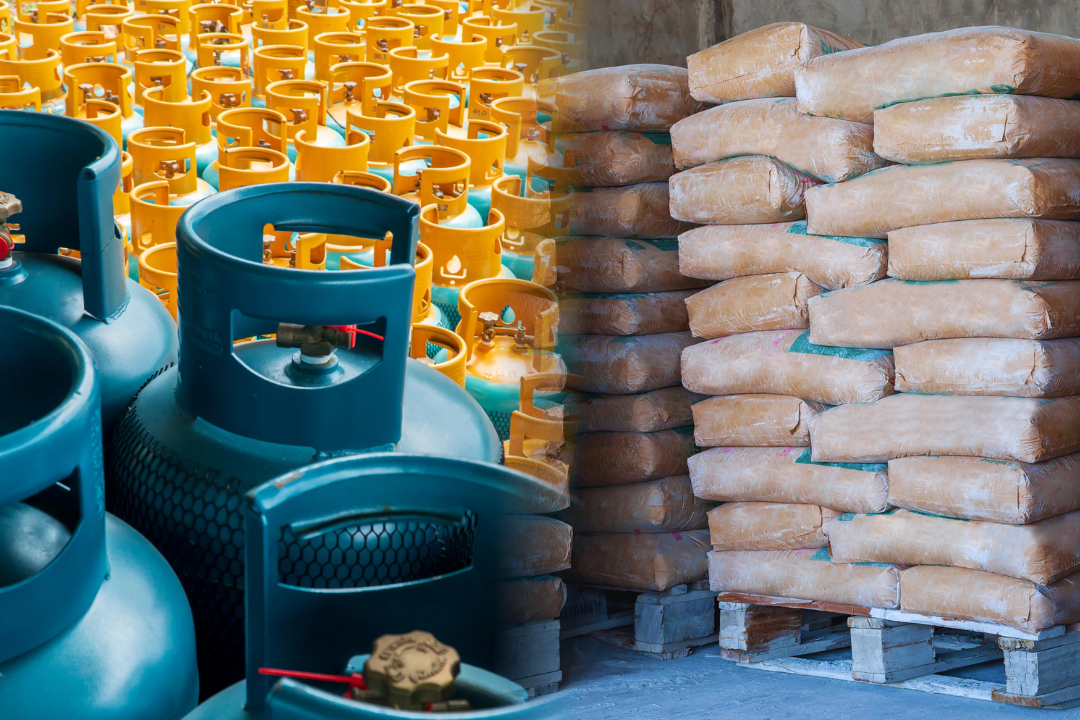
Ghana has long been celebrated as one of Africa’s most stable democracies and a compelling destination for investment. Yet, recent developments in the country’s regulatory landscape are raising difficult but necessary questions about our commitment to free market principles. Two major government interventions, Cement Pricing Regulation (L.I. 2491) and the Cylinder Recirculation Model (CRM) in […]
US$360m World Bank Facility: Why Language and Transparency Matter
On July 1, 2025, Parliament approved a US$360 million facility from the World Bank’s International Development Association (IDA), part of the Second Resilient Recovery Development Policy Financing programme. The government described the facility as budgetary support to clear arrears, particularly to road contractors. But the Minority raised two key concerns: The government deliberately avoided calling […]
Modified Tax Scheme: Simple to Administer, But What Will It Deliver?

On July 1st, the Ghana Revenue Authority introduced a new Modified Taxation Scheme aimed at informal businesses, a fixed quarterly tax of GH¢25–GH¢45 for those earning under GH¢20,000/year and a 3% turnover tax for businesses earning between GH¢20,000 and GH¢500,000/year, along with a 5% excise tax on locally produced plastic products and a 15% tax […]
Rethinking the 24-Hour Economy: It’s Not About Shifts, It’s About Systems

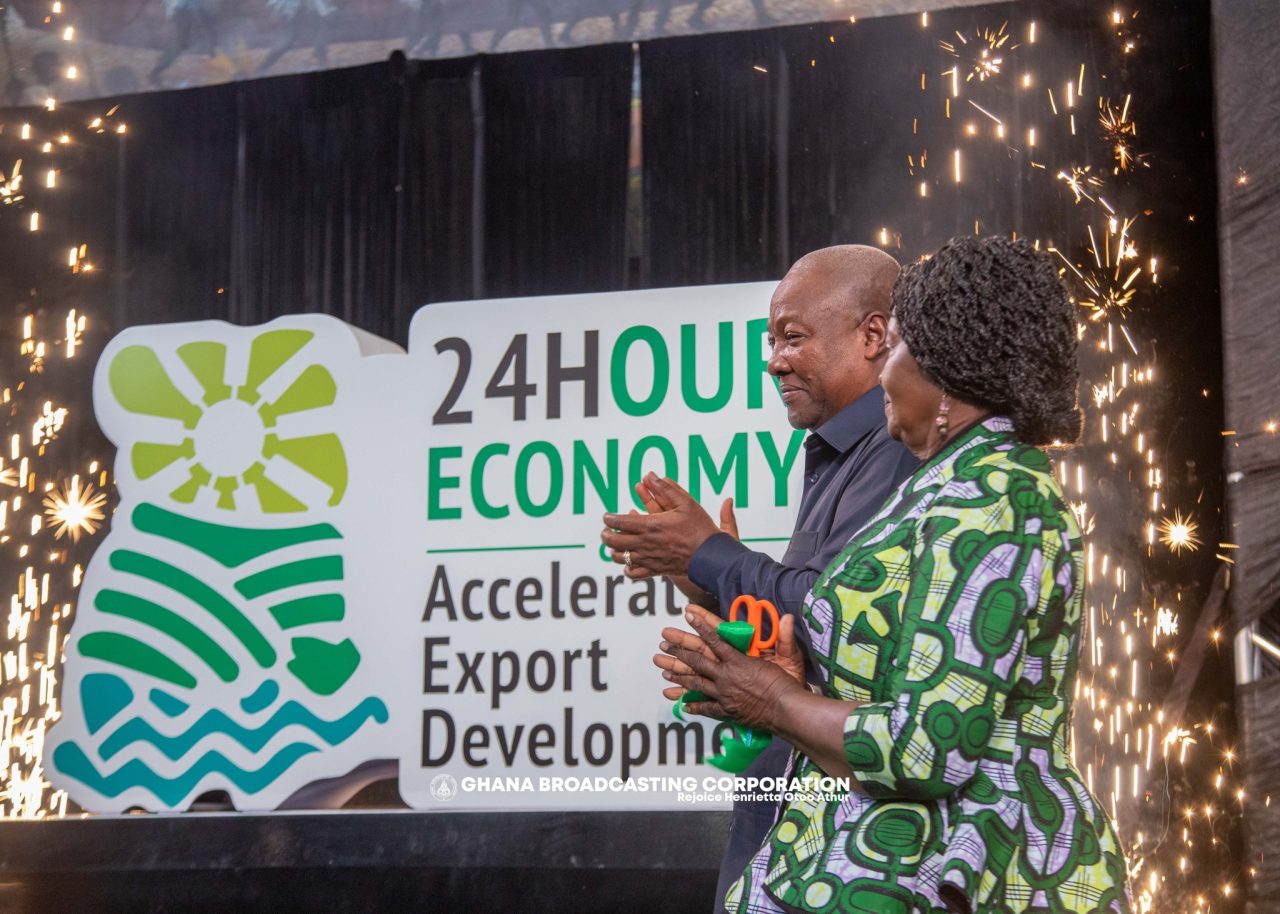
Public perception at the outset was simple: Ghana’s 24-Hour Economy would extend working hours and create more jobs. But the full policy blueprint reveals something far more ambitious, a cohesive structural transformation agenda that ties together agriculture, industry, supply chains, manufacturing, culture, and human capital. In other words, the policy isn’t about working around the […]
Reimagining Nuclear Diplomacy in the Middle East

By: Colonel Festus Aboagye (Retired) Twelve days after the guns fell silent in what history may remember as the 12-Day War between Iran and Israel, the Middle East and, indeed, the world, stands at a precipice—haunted by the spectre of escalation, yet momentarily suspended in uneasy quiet. The ceasefire of June 24, 2025, brokered under […]
Ghana-India Parliamentary Friendship Society: Facilitating Greater Demand-Driven South-South Development Cooperation Under Ghana’s 24-HOUR Economy and India’s 2047 Vision
The Ghana-India Parliamentary Friendship Society stands at the nexus of two ambitious national agendas. On one side is Ghana’s five-year drive to add 7 percent to GDP and generate 1.8 million jobs through its 24-Hour Economy pillars—Grow24 (agro-processing parks), Make24 (continuous-operation manufacturing zones), and Build24 (round-the-clock infrastructure). On the other is India’s 2047 Vision—a long-term […]
19 Stations, No Presiding Officer verification: How did the Electoral Commission Lose Ablekuma North?

Imagine a parliamentary result hanging in limbo for seven months because 19 out of 281 polling stations Statement of Poll could not be verified. No Presiding Officer (PO) verification, no valid declaration. Voters in Ablekuma North remain without representation, and Ghana’s Electoral Commission (EC) finds itself in an unprecedented procedural abyss. Now, it seeks to […]
When National Polls Meet Party Gatekeepers, Who Really Decides?

Global Info Analytics’ recent survey paints a vivid portrait of Ghana’s 2028 contest: Dr. Mahamudu Bawumia commands 56 percent of the national electorate and 70 percent of New Patriotic Party faithful, while within the National Democratic Congress, Haruna Iddrisu leads a tightly packed field with 27 percent, narrowly ahead of Johnson Asiedu Nketia on 26 […]
Policy Brief: Governance and Market Constraints Slowing Green Business Growth in Ghana

IMANI Africa, in partnership with the Africa Centre for Energy Policy (ACEP), has released a new policy brief titled “Ghana’s Green Business Ecosystem Is Growing Rapidly, But the Governance and Market Constraints Are Stalling the Scalability of Green Enterprises.” The brief finds that although green businesses are gaining traction in Ghana, progress is being hampered […]
Gold Rush Chaos and Golden Curse: How Ghana’s Political Elite Are Selling Out the Nation’s Posterity for Personal Gain

On Ghana’s Founder’s Day, in just a few minutes, as Ghanaians reflect on the country’s journey and the vision of their forebears, they confront a critical challenge threatening the foundation of the nation’s future. I am releasing a comprehensive policy brief titled: “Gold Rush and Golden Curse: How Ghana’s Political Elites Are Selling Out the […]
From National Asset to National Ignominy: Ghana’s Akosombo Dam Disaster Exposes Government Negligence and Civil Society’s Heroic Response

One year after the Akosombo Dam spillage disaster, which affected nearly 40,000 Ghanaians, the government’s response remains woefully inadequate. While 1,350 victims still live in tents, the tireless efforts of individuals, NGOs, and media organisations have made a real difference. This policy brief, ‘From National Asset to National Ignominy: Ghana’s Akosombo Dam Disaster Exposes Government […]
Prospects of Ghana’s Salt Industry: A Pathway to adding an extra $1 Billion in foreign exchange earnings
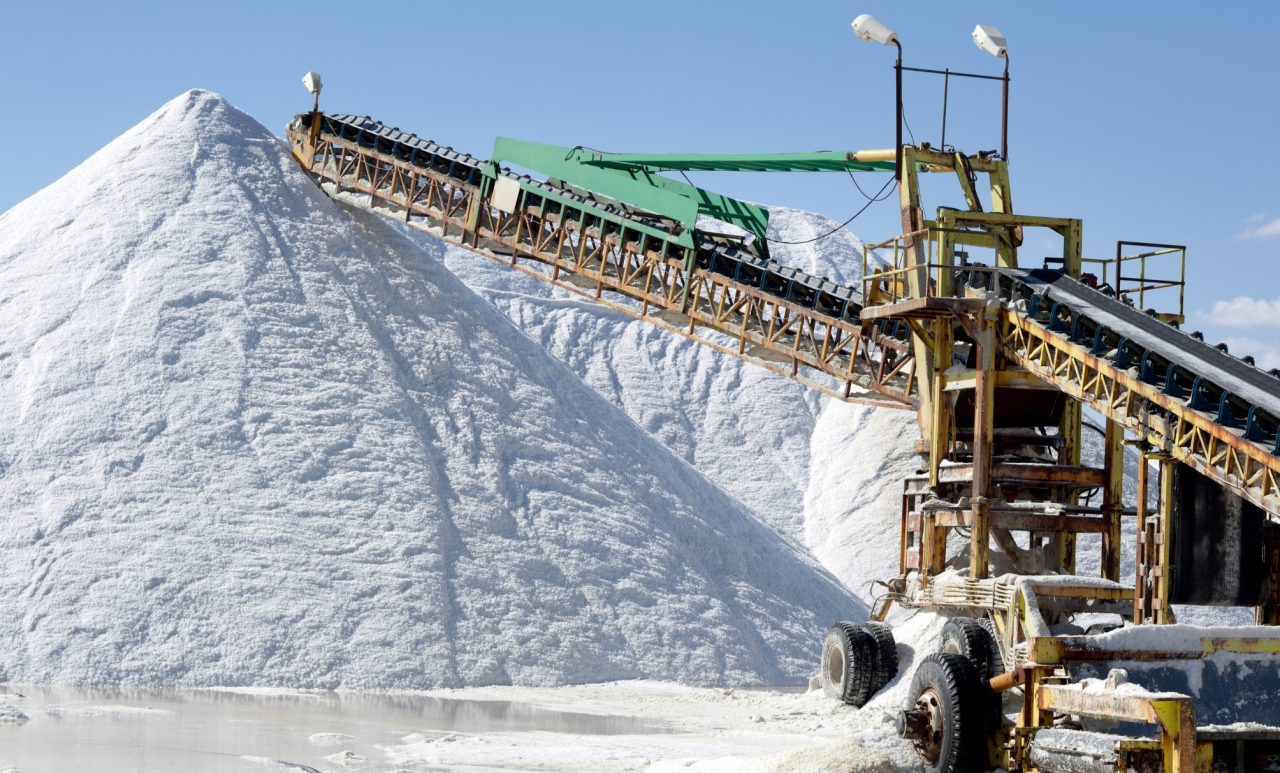
Introduction Ghana has a thriving salt mining and winning industry that has consistently produced around 250,000 metric tons annually over the last decade. The primary method of salt production in Ghana is through solar evaporation of concentrated sea water in salt pans, usually in areas with sources very close to the sea. Notable among these […]