
Criticality Analysis: Governance & Economic Issues (August 17–23, 2025)
As Ghana navigates a period of political recalibration and economic uncertainty, IMANI’s Criticality Analysis continues to spotlight the week’s most pressing governance and policy developments. This edition (August 17–23, 2025) examines the bold but controversial proposal to scrap the $1 million minimum capital requirement for foreign retail investors under the GIPC Act, a move that […]
Shaping Ghana’s 2026 Budget: Pathways for Fiscal Consolidation and Growth
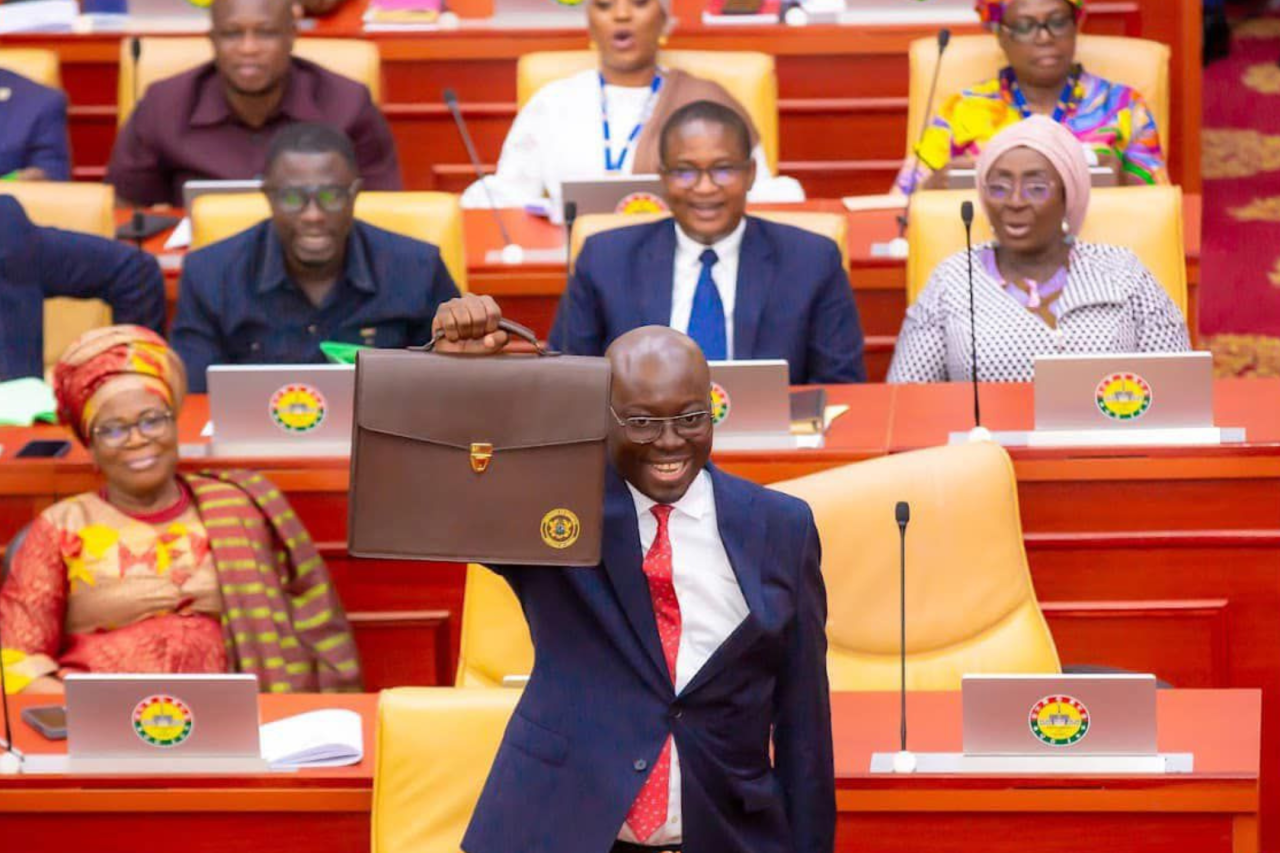
The World Bank’s 9th Ghana Economic Update [1]makes it clear that one of Ghana’s deepest economic challenges lies in its labour market. At first glance, Ghana’s growth record over the past two decades looks impressive: between 2009 and 2019, the economy expanded at an average annual rate of nearly 7 percent, lifting incomes above the […]
Rethinking Protectionism: Ghana’s Retail Sector in the Age of E-Commerce

President Mahama’s announcement at the Japan–Africa Summit to scrap the $1 million minimum capital requirement for foreign trading companies marks a bold shift in Ghana’s investment policy[1]. The rule, under the GIPC Act, was originally designed to protect local traders but has long been criticized as a barrier that stifles smaller foreign investors and reduces […]
From Telcos to Pay-TV to Regulators: A Minister’s Interventionist Playbook

Hon. Sam George, Minister for Communications, Digital Technology and Innovation, has adopted a hands-on approach across Ghana’s communications landscape, moving swiftly from telco pricing talks to pay-TV fines and regulatory interventions. His style blends visible activism with policy objectives, prompting both praise for consumer focus and concern over procedural overreach. The reality of these actions—and […]
From Threshold to Opportunities: Eliminating the $1 Million Foreign Investment Barrier

President Mahama’s trip to Yokohama for the Ninth Tokyo International Conference on African Development underscored Ghana’s intent to deepen its engagement with global partners and reaffirm its commitment to inclusive growth. TICAD-9, co-hosted by the Government of Japan, the United Nations, the World Bank and the African Union Commission, convened leaders to chart Africa’s industrialisation, […]
Criticality Analysis of Governance & Economic Issues (August 10–16, 2025)
This week’s Criticality Analysis brings you sharp insights into the governance and economic debates shaping Ghana’s policy landscape. From religion and politics to pay-TV pricing battles, agricultural transformation, and banking reforms, these issues highlight the choices confronting our leaders and institutions. In this edition: Faith and Politics – Should prophecies shape governance, or should secularism […]
Finding Common Ground: A Call for Pragmatism in Ghana’s DStv Pricing Dispute

In the unfolding drama between the National Communications Authority (NCA) and Multichoice Ghana’s DSTV arm, both sides risk losing more than face. Consumers chafe under high subscription fees, the regulator stakes its credibility on robust enforcement, and the multinational operator stands accused of insensitivity to local realities. Yet the law offers no silver bullet: unilateral […]
What If Each Man Prayed to His God, and Left God Out of National Politics?

On 10 August 2025, Presidential Envoy for Interfaith and Ecumenical Relations, Mr. Elvis Afriyie Ankrah, issued a formal letter urging religious leaders to submit any prophecy “of a national nature”—particularly those touching on high-profile offices, governance, security, or public stability—for official review and escalation. Stated below is the main substance of the letter. “As part […]
BoG Moves to Control Non-Performing Loans
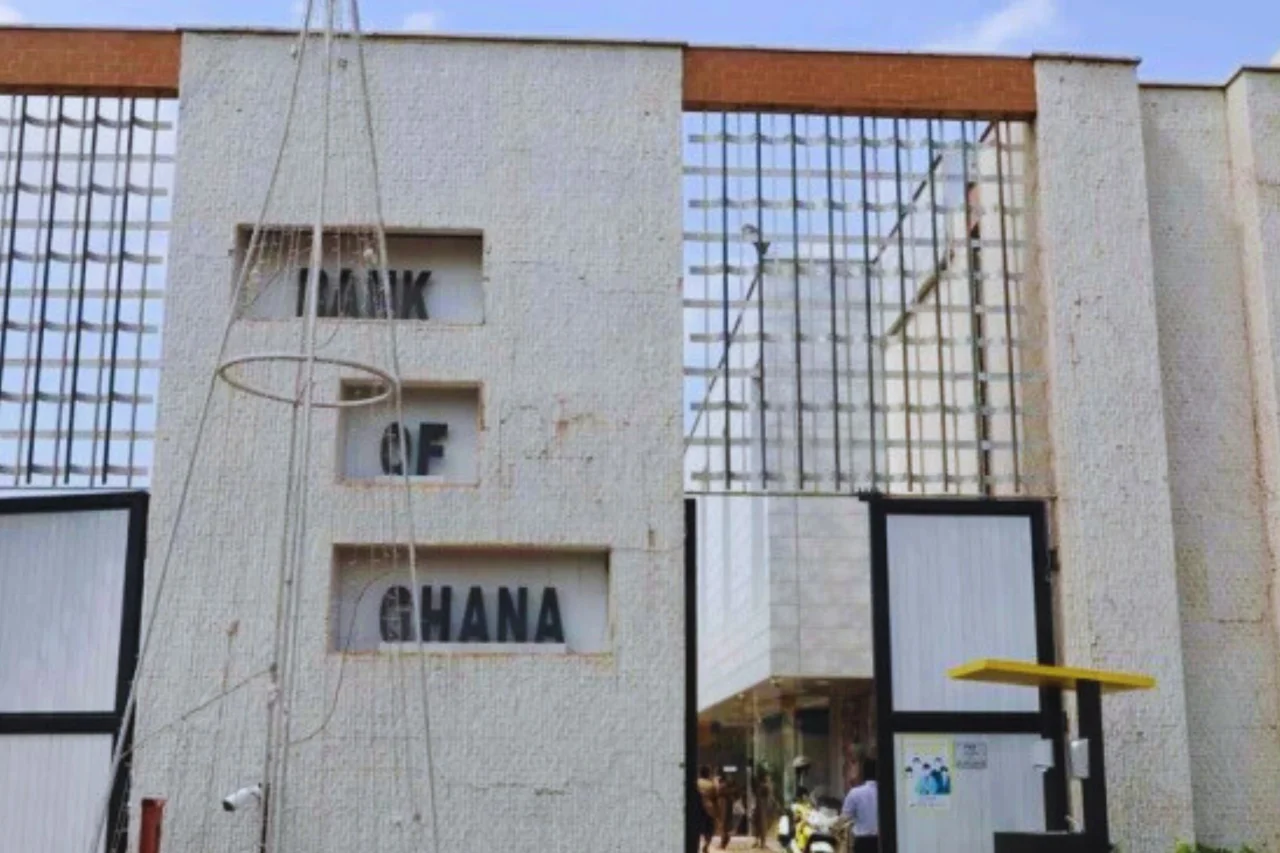
The Bank of Ghana (BoG) has announced a new set of regulatory measures to address the persistent rise in non-performing loans (NPLs) that continue to undermine the stability of the banking sector, aimed at instilling discipline in the credit system. A firm sanction of one of the measures is that wilful loan defaulters will be […]
Agriculture Push – GHS 2.9bn Commitment and the Red Gold Policy

Ghana’s agriculture sector is set for one of its most ambitious boosts in recent years. The government and development partners have committed GHS 2.9 billion to support programmes under the Ministry of Food and Agriculture[1]. The financing mix leans slightly on government resources (55%) while development partners shoulder the rest (45%). Much of this will […]
World Bank’s Ghana 9th Economic Update

The World Bank’s 9th Economic Update for Ghana[1] painted a cautiously optimistic picture; the economy is on a positive trajectory, largely because of fiscal and monetary discipline. Growth in 2024 reached 5.7%, with non-oil GDP increasing by 6%, driven by a rebound in mining, construction, and services. Inflation has steadily eased, falling to 13.7% by […]
Criticality Analysis of Governance & Economic Issues | August 04-08, 2025
This week’s Criticality Analysis from IMANI unpacks pivotal developments in governance and economic policy with significant implications for Ghana’s public safety, macroeconomic direction, and fiscal resilience. Our non-partisan review offers expert insights and actionable recommendations. Key Stories Covered: When Disaster Strikes: Ghana’s Ignored Crisis on the RoadOverloaded and unsafe vehicles, poor infrastructure, and weak enforcement […]
A Strategic Turn in Ghana’s Monetary Policy and Its Ripple Effects
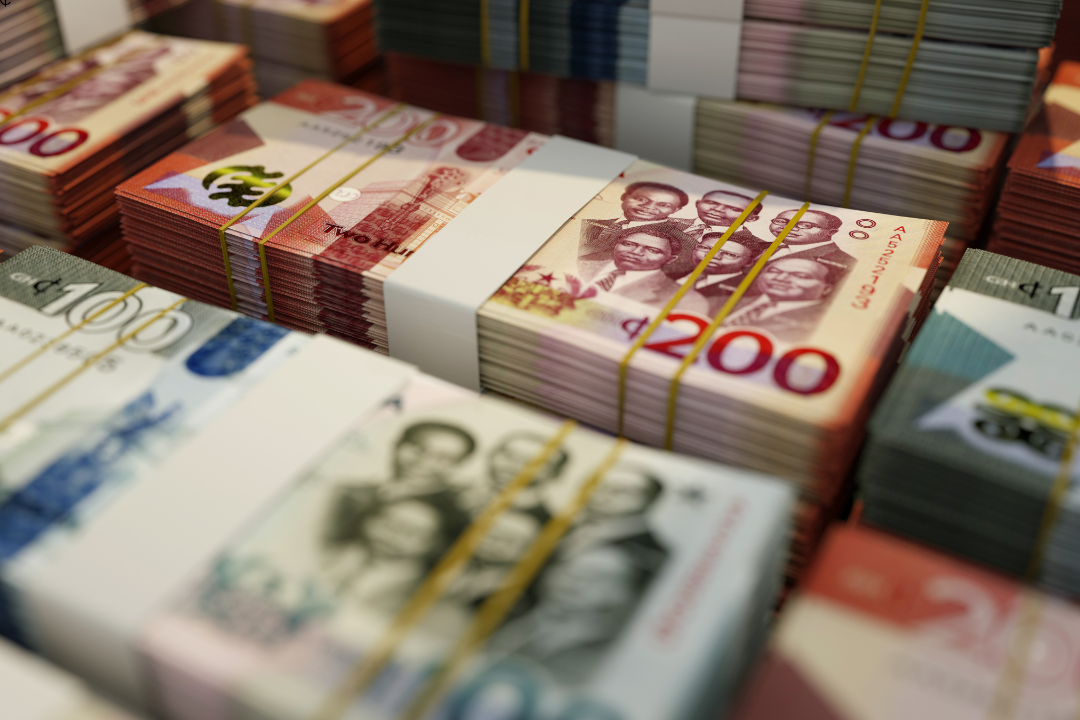
Last week, the Bank of Ghana slashed its Monetary Policy Rate (MPR) by 300 basis points to 25.0 percent, marking its most aggressive single reduction since July 2024 and March 2018. The decision came at the conclusion of the 125th Monetary Policy Committee meeting and reflects growing confidence in the country’s disinflation trajectory and macroeconomic […]
When Disaster Strikes: Ghana’s Ignored Crisis On the Road

Ghana’s sense of security was shattered by the horror of a military helicopter crash on the mist-shrouded forest mountains of Adansi Akrofuom that claimed the lives of our Defence and Environment Ministers, Hon. Omane Boamah and Hon. Murtala Mohammed, respectively, and 6 others. As investigators parse through weather data, maintenance logs and flight recordings to […]
Mining and Energy Sector in Crisis: The Galamsey Threat to Ghana’s Gas Infrastructure and the Promise of rCOMSDEP
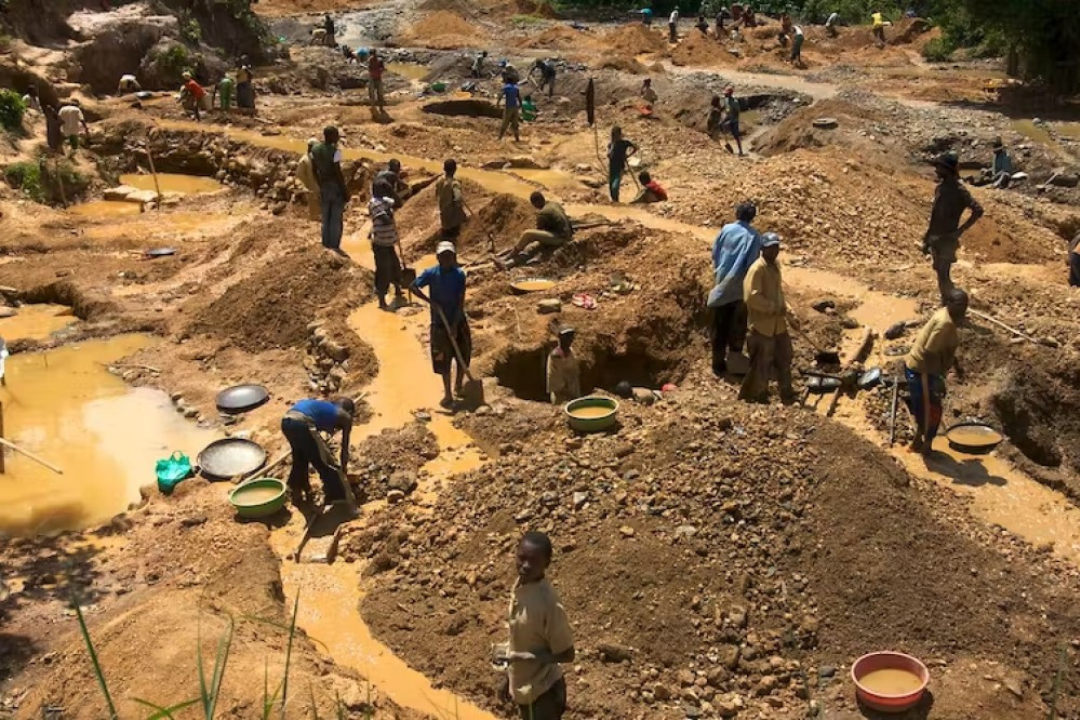
Illegal mining (Galamsey) has long been a stubborn problem in Ghana, but recent revelations show it is now threatening some of the country’s most critical energy infrastructure. Gas pipelines in the Ashanti and Western regions, vital arteries feeding power plants that sustain industrial and domestic electricity, are increasingly at risk from miners digging beneath or […]
Komenda Sugar Factory: Revival with Lessons for Ghana’s Manufacturing Future

The government’s recent move to inaugurate an Interim Management Committee (IMC) to revive the Komenda Sugar Factory marks a deliberate and strategic step. Rather than rushing to restart production without adequate groundwork, the IMC’s mandate to conduct a comprehensive technical, financial, and operational review signals an intent to understand and fix the factory’s core challenges […]
Ghana’s Chocolate Diplomacy: A New Chapter in Foreign Humanitarian Engagement

In the spirit of friendship and peace with all peoples of the world, Ghana recently donated 40 metric tons of cocoa products to Palestinians in Gaza amid a severe health, nutrition, and shelter crisis. This act echoes the pledge enshrined in the preamble of Ghana’s 1992 constitution to uphold international solidarity and goodwill. The Palestinian […]
The Perils of Market Interventionism: When Political Pressures Threaten Ghana’s Economic Gains
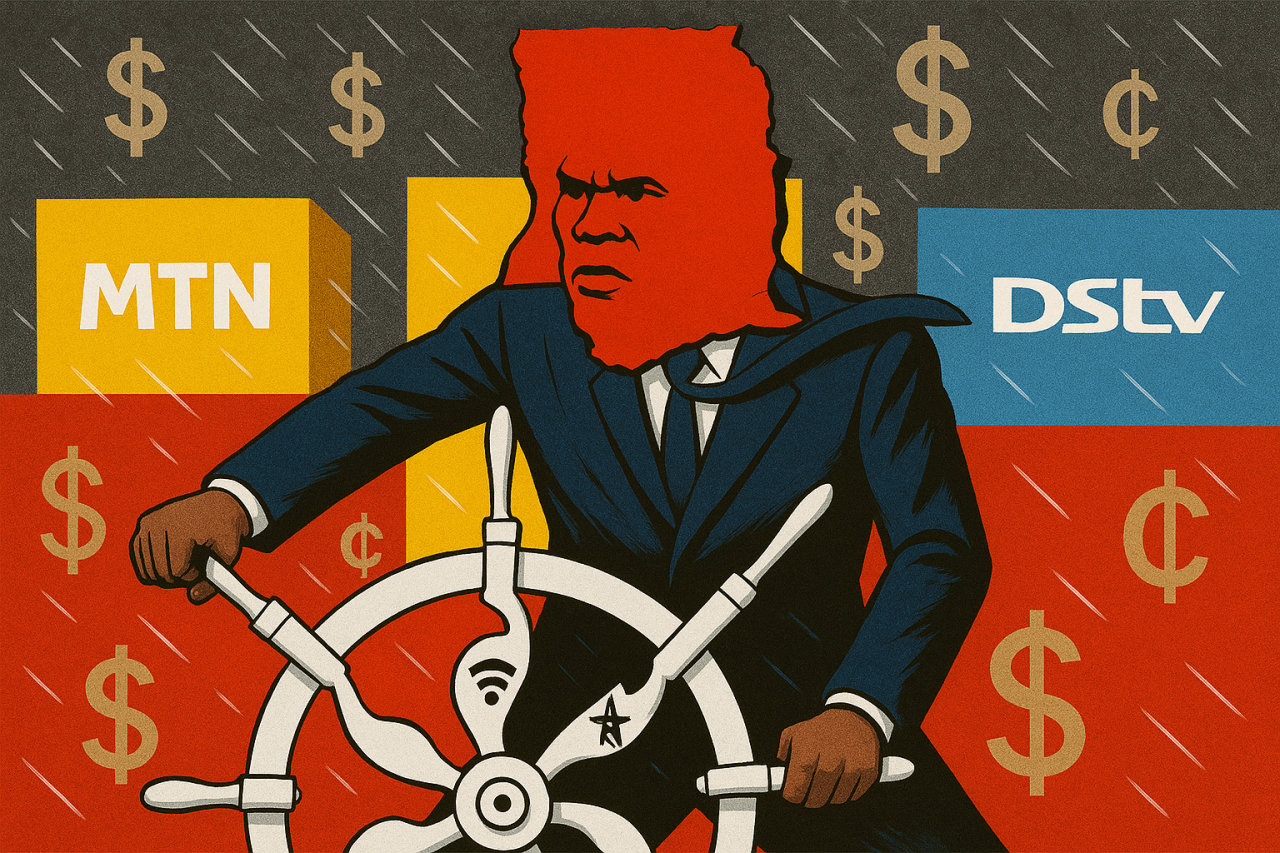
Ghana’s economic trajectory in the first half of 2025 has inspired cautious optimism. In the mid-year fiscal policy review to Parliament on July 24, 2025, Finance Minister Dr Cassiel Ato Forson reported a 5.3% expansion in real GDP in the first quarter, inflation easing to 13.7% by end-June, the Cedi appreciating by 42.6% against the […]
Bridging Rigor and Access: Rethinking Defence Recruitment in Ghana
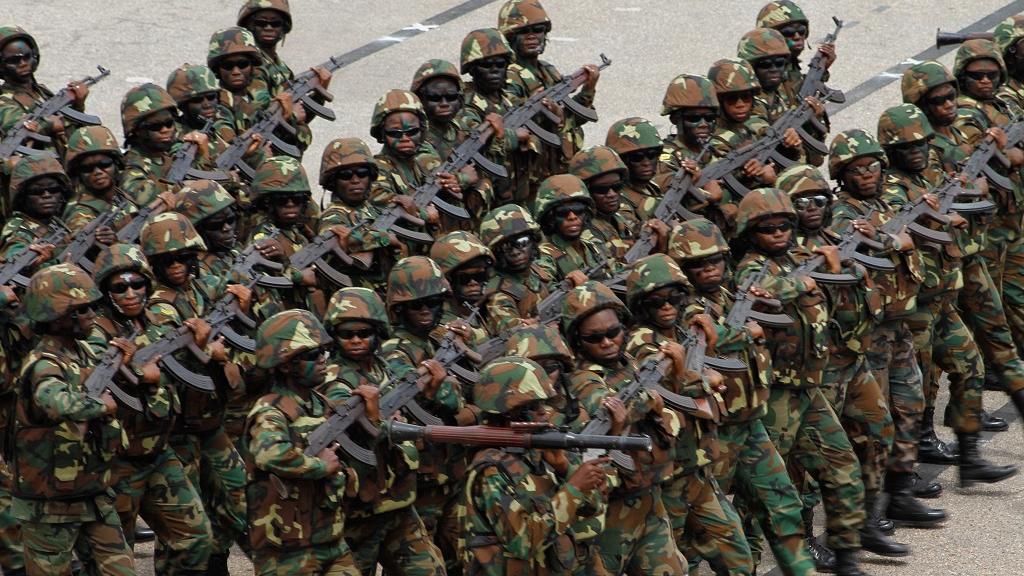
In an era when public scrutiny most often fixates on finance, health, or education, the government accountability series shines its light on sectors that tend to evade the headlines. This initiative is more than a showcase of process—it is a clarion call for transparency, ethical stewardship, and citizen engagement across every arm of government. By […]
Confronting Fiscal Irregularities: The 2024 Auditor-General’s Report vs IMANI’s Policy Prescriptions

Ghana’s public finance landscape has been laid bare by two complementary assessments: the Auditor-General’s 2024 annual report, which uncovered GH¢18.4 billion in irregularities across the entire public sector, and IMANI’s third Fiscal Recklessness Index (FRI), which isolated GH¢4.9 billion in discrepancies among Ministries, Departments, and Agencies (MDAs) from 2021–2023. Together, these studies expose deep‐seated weaknesses […]