
IMANI’s Intervention Clarifies Cement Price Confusion and Reinforces Case for Market-Led Reforms

At the IMANI Centre for Policy and Education, we maintain that sound policy must be anchored in facts, supported by empirical reasoning, and shaped through respectful, transparent dialogue among all affected stakeholders. Over the past few months, an important national conversation has unfolded over the pricing of cement in Ghana. Central to this has been […]
Unibank Settlement Disputed: Ghana’s AG Claims 60% Recovery, Data Suggests 10.6%
Ghana’s Attorney General says he has recovered 60% of Unibank’s liability to the state. Our analysis suggests that he may have recovered just 10.6%. On July 22, 2025, the Attorney General of Ghana (AG) announced that he had reached an agreement with the owners of the collapsed Unibank, who were being prosecuted for financial crimes. […]
Ghana’s Attorney General has recovered 10.6% of the Unibank Liability NOT 60% as he claims
1. On 22nd July 2025, the Attorney General of Ghana (AG) announced that he had reached an agreement with the main owners of Unibank, a big local bank that was previously collapsed (“resolved”) by the Bank of Ghana (BoG). Unibank’s majority shareholders (“owners”) had been under prosecution commenced by the previous government for financial crimes. […]
Bridging Rigor and Access: Rethinking Defence Recruitment in Ghana
In an era when public scrutiny most often fixates on finance, health, or education, the government accountability series shines its light on sectors that tend to evade the headlines. This initiative is more than a showcase of process—it is a clarion call for transparency, ethical stewardship, and citizen engagement across every arm of government. By […]
Confronting Fiscal Irregularities: The 2024 Auditor-General’s Report vs IMANI’s Policy Prescriptions

Ghana’s public finance landscape has been laid bare by two complementary assessments: the Auditor-General’s 2024 annual report, which uncovered GH¢18.4 billion in irregularities across the entire public sector, and IMANI’s third Fiscal Recklessness Index (FRI), which isolated GH¢4.9 billion in discrepancies among Ministries, Departments, and Agencies (MDAs) from 2021–2023. Together, these studies expose deep‐seated weaknesses […]
Probing the 2025 Mid-Year Budget Review: Is Ghana’s Economic Governance on Track?
On the 7th, the IMF Executive Board convened in Washington and gave its blessing to Ghana’s fourth review under the three-year Extended Credit Facility, unlocking a further US$367 million. That endorsement came against a backdrop of the cedi’s dramatic rebound. After sliding to historic lows in 2024, the currency has strengthened by some 42 percent […]
‘Sacred’ Irregularities: Inside Ghana’s National Cathedral Project
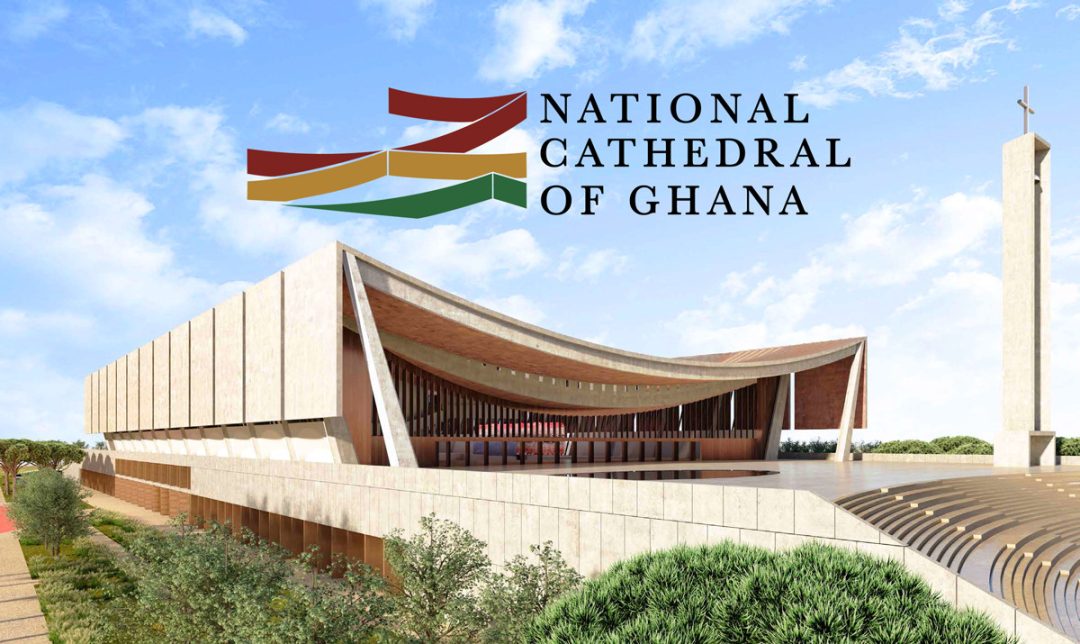
When a nation vows to etch its faith onto the skyline, few imagine the foundations will crack under the weight of financial and governance doubts. Ghana’s National Cathedral—heralded as a unifying symbol of faith and nationhood—has become a case study in how lofty ambitions can falter without rigorous oversight. The recent Deloitte audit lays bare […]
Can Ghana’s Prosecution and Courts Keep Up with Rising Financial Crimes?

In the span of just a few months, Ghana has witnessed a cascade of high-profile corruption scandals—from the $28 million extortion case in the fuel sector to sprawling fraud rings at Customs and the Ghana Education Service. These incidents expose not only brazen abuse of public office but also the yawning gap between the sophistication […]
Inside the NPP’s Delegates Conference: Reform, Friction, and the Politics of Clarity

On a sunlit Saturday at the University of Ghana Stadium, over 5,500 delegates of the New Patriotic Party (NPP) gathered under the banner “Rebuilding Together with Our Values.” Fifty-nine (59) motions to amend various provisions in the NPP Constitution, especially those on polling station, constituency, external, regional and national organisations were on high stakes at […]
Kay Codjoe Writes: The NPP’s Wounds and Afenyo Markin’s Honesty

I’ve listened. I’ve really listened. Not just to the cheers and choruses at the NPP conference, but to the silences between the speeches and the one voice that finally dared to break the denial. Alexander Afenyo Markin. His words stood apart, not because they were flowery, but because they were heavy. They carried what the […]
Ghana’s Lithium Deal Is Back in the Spotlight; But What’s Really Going On?
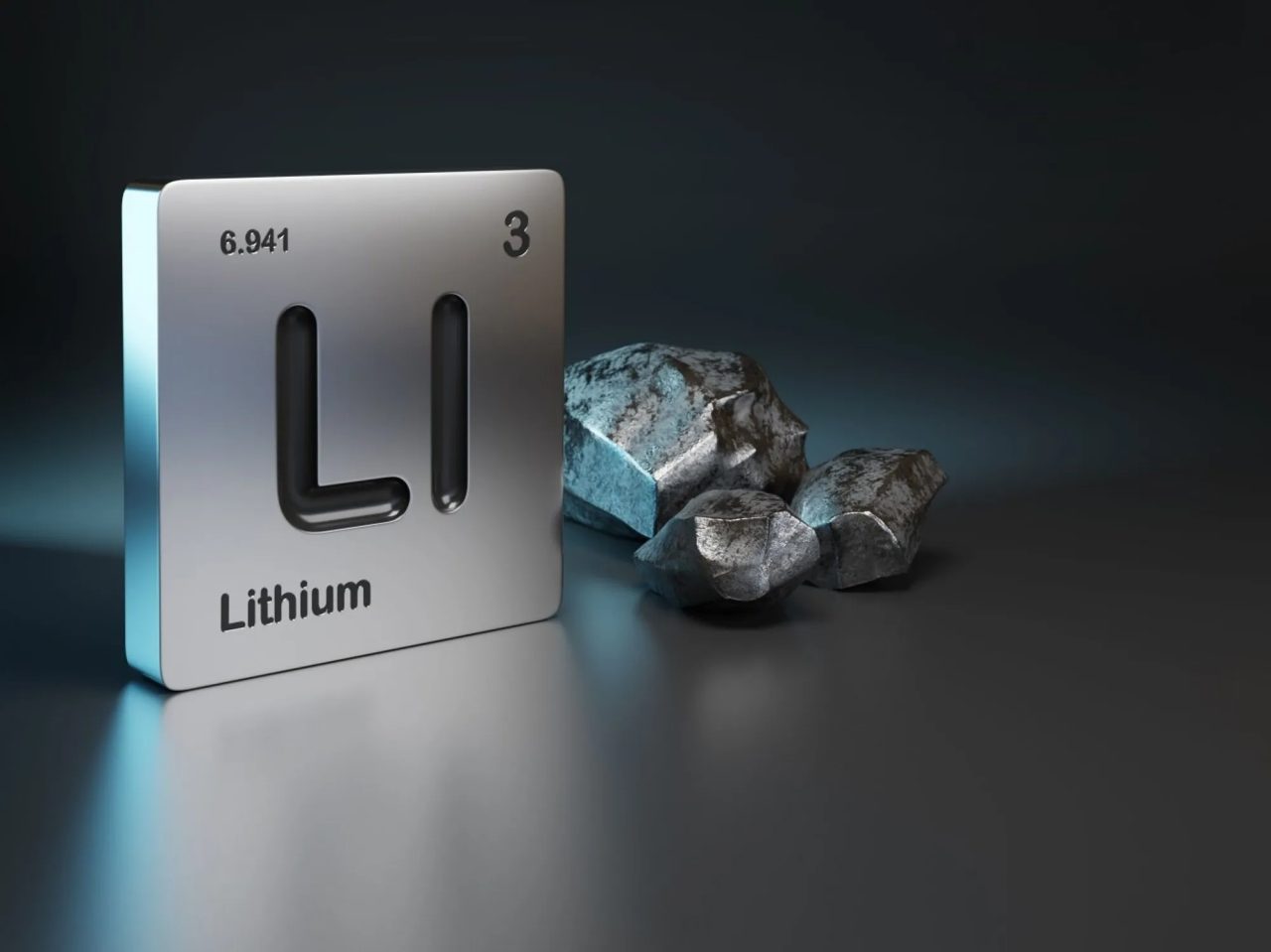
When the Government of Ghana signed a mining lease with Atlantic Lithium in October 2023 to develop the country’s first lithium mine in Ewoyaa, it was touted as a major step forward, Ghana’s entry into the global green minerals race. But almost immediately, concerns began to surface. The deal offered Ghana a 10% royalty and […]
Ghana’s GSS Business Survey Is Underway — But Will Government Treat Data as Core Economic Infrastructure?

The Ghana Statistical Service (GSS) has launched Phase II of the Integrated Business Establishment Survey (IBES II). Over 2,000 enumerators will cover more than 40,000 businesses nationwide, spanning both the formal and informal sectors across over 100 economic activities. It is a significant undertaking, one that would provide current data on how businesses are performing, […]
Dollarisation and the Cedi: A Deeper Look at the Real Threat

Despite recent gains by the cedi, the persistent dollarisation of Ghana’s economy is fast becoming a critical challenge. Businesses continue to price goods and services in dollars, from luxury real estate and tuition to retail and hospitality, even though transactions happen entirely within Ghana. The Bank of Ghana (BoG) has raised the alarm. BoG Governor […]
A Strong Cedi No One Feels: Dollar Scarcity, Broken FX Signals, and the Real Work Ghana Must Do

Importers in Ghana have raised a concern: they are unable to get dollars from the banks and are increasingly forced to turn to the black market, where rates are far higher than the Bank of Ghana’s quoted interbank rate of around GH¢10.30 to the dollar. This reflects a growing disconnect between official data and economic […]
Two Terms Means Two Terms: Why President Mahama Cannot Constitutionally Seek a Third Mandate
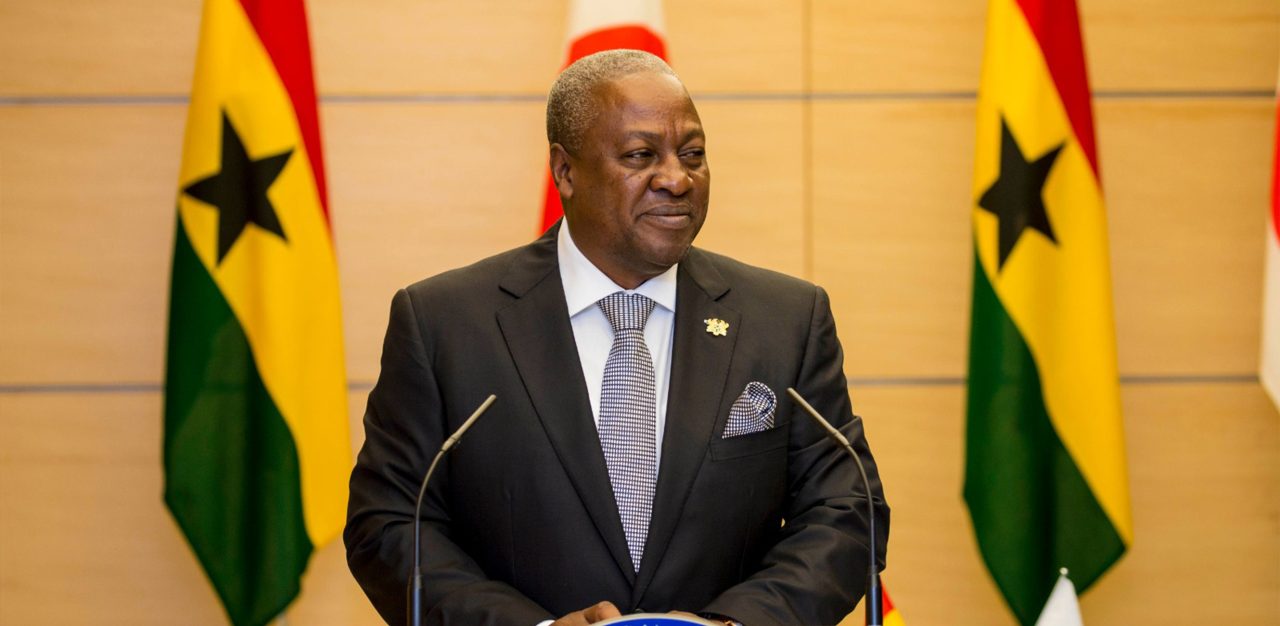
After a remarkable political resurgence and a decisive victory in the 2024 elections, President John Mahama has earned widespread commendation for his economic stewardship in just five months. Confidence is rising, inflation is easing, and investor sentiment has rebounded. Yet, amid the goodwill, murmurs are surfacing: could Mahama—extoled by his renewed popularity—seek a third term? […]
From Rupture to Renewal: Making the Case for Early Leadership in the New Patriotic Party
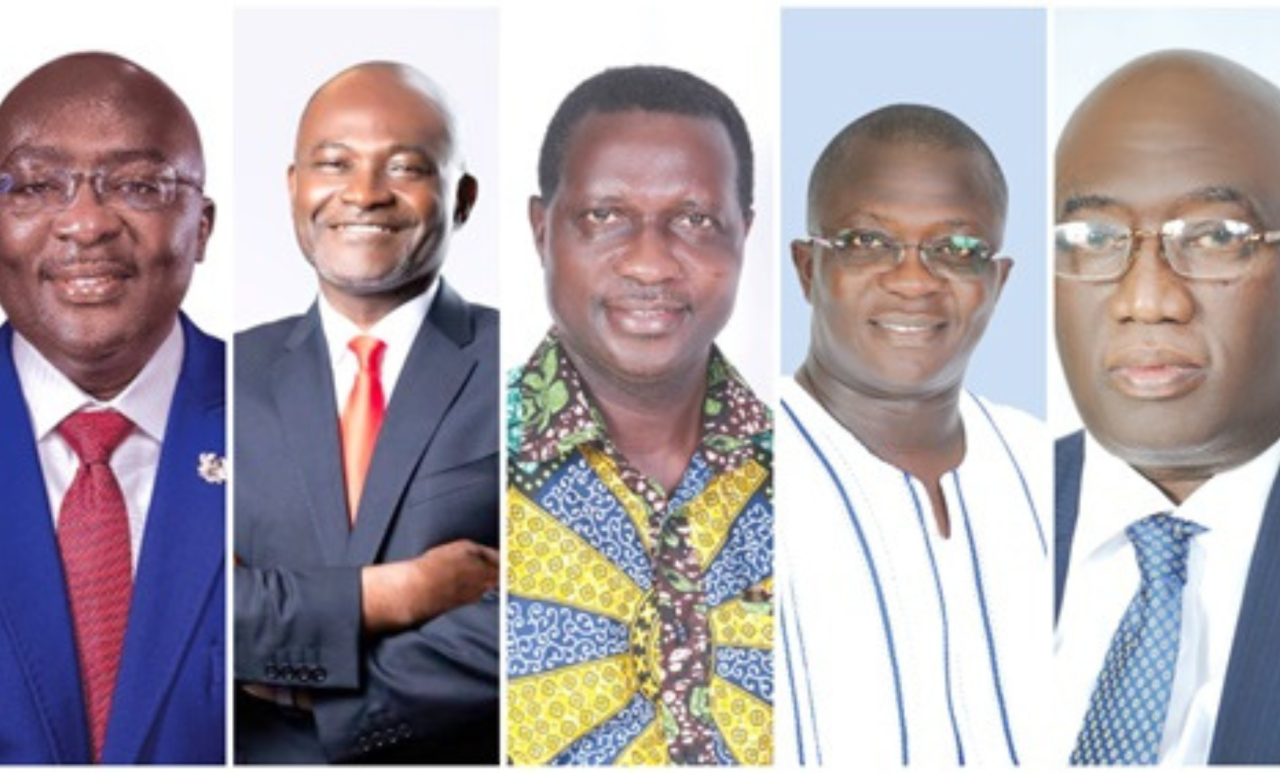
The New Patriotic Party (NPP), once buoyed by the mandate of 2016 and the renewal of 2020, now stands at its most vulnerable moment in decades. The defeat in the 2024 general elections wasn’t merely electoral—it was existential. For a party that has long claimed the mantle of liberal economic stewardship and democratic resilience, the […]
IMANI-ATLAS Lecture at UESD Sparks Robust Reflections on Free Markets and Policy Reform
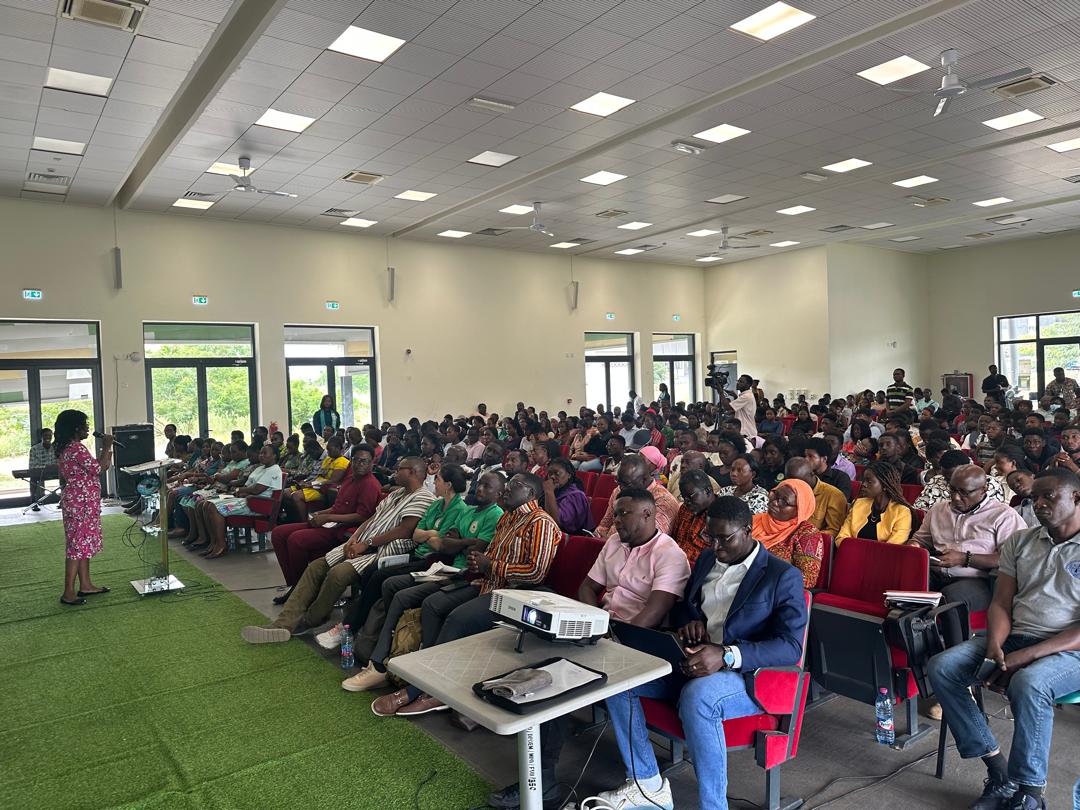
On the 16th of July 2025, a compelling and intellectually charged policy lecture hosted by the IMANI Centre for Policy and Education in partnership with the ATLAS Network drew a full auditorium of over 250 students and faculty at the University of Environment and Sustainable Development (UESD), Somanya in the Eastern Region. The engagement, […]
Clarifying the term: What ‘Budget Support’ Really Means
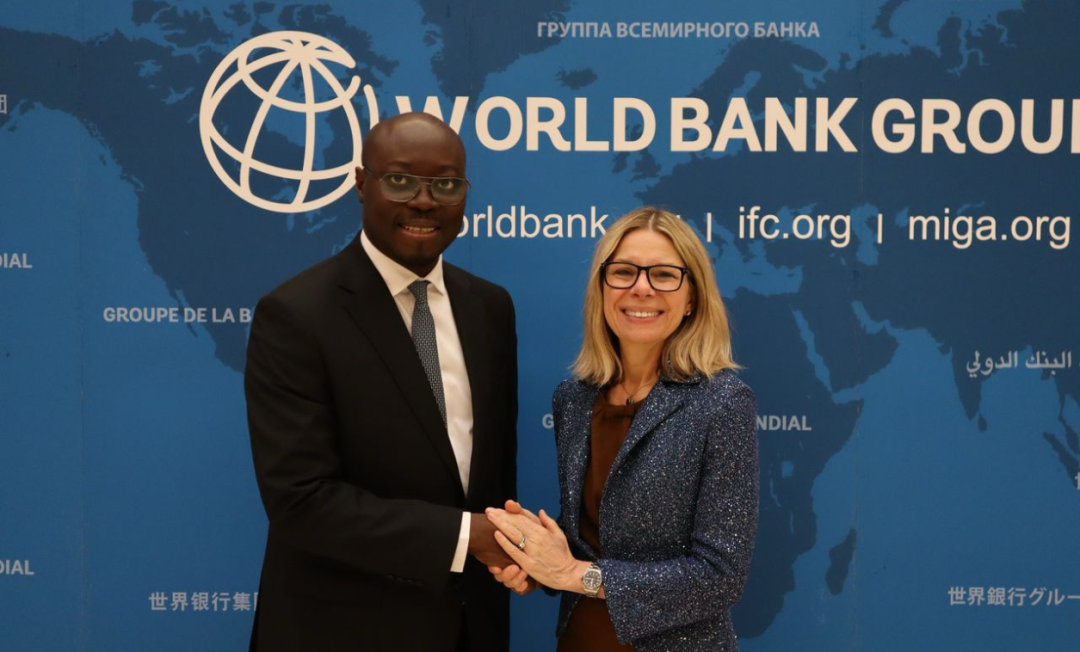
In last week’s analysis on the $360 million World Bank facility, we reflected on the importance of clear and accessible public communication when announcing large-scale financial support. It is important to clarify that the Ministry of Finance was right to describe the funding as budget support, according to the World Bank’s definition. In World Bank […]
Ghana Can’t Build a 24-Hour Manufacturing Economy on an Empty Raw Materials Base
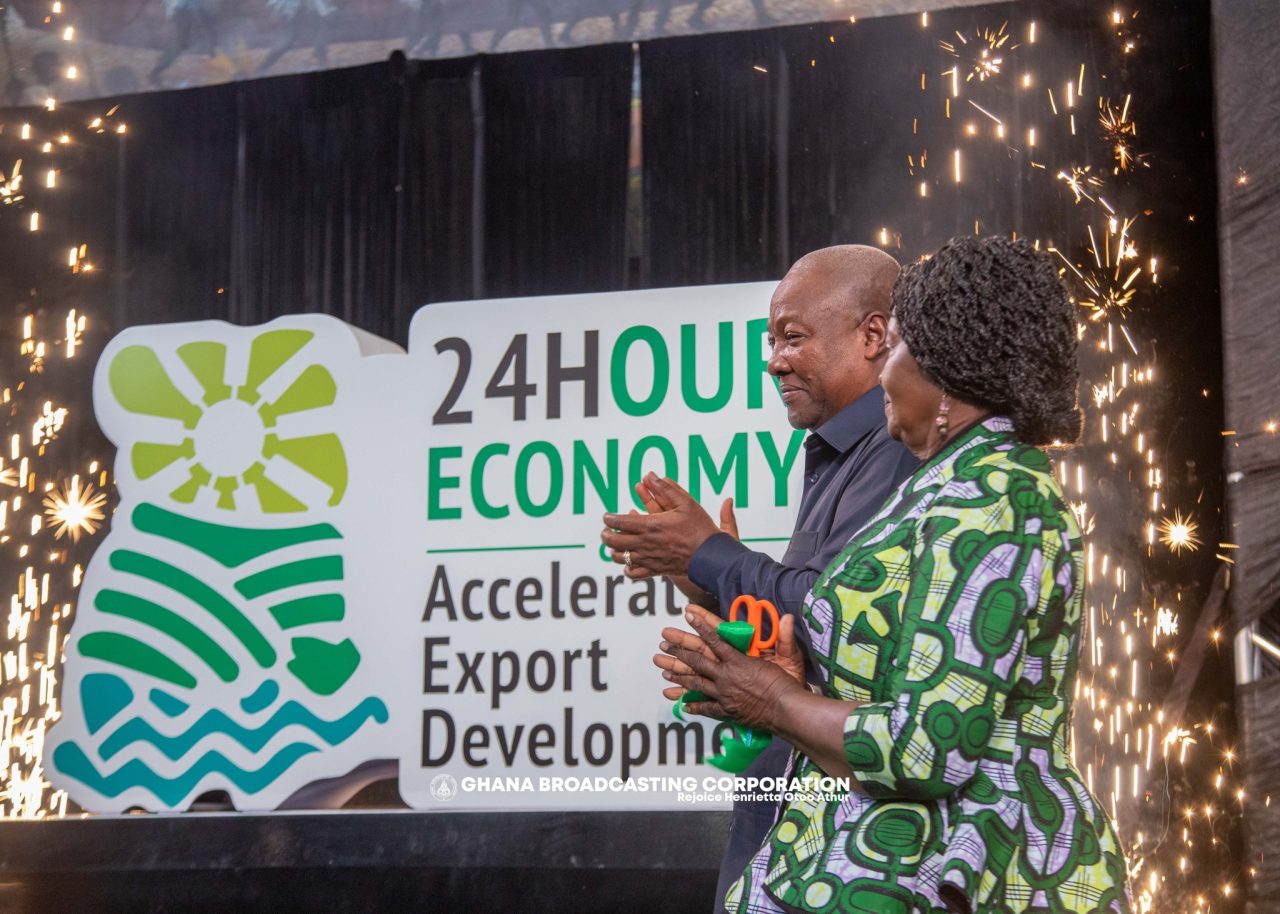
If Ghana is serious about building a 24-hour economy powered by manufacturing, it must first get serious about what fuels manufacturing, raw materials. Cocoa processors are underutilized, cashew factories are collapsing, and the government has announced to implement a phased ban on the export of raw shea nuts by 2026. These aren’t just scattered sectoral […]
MiDA–IFC Agribusiness Partnership
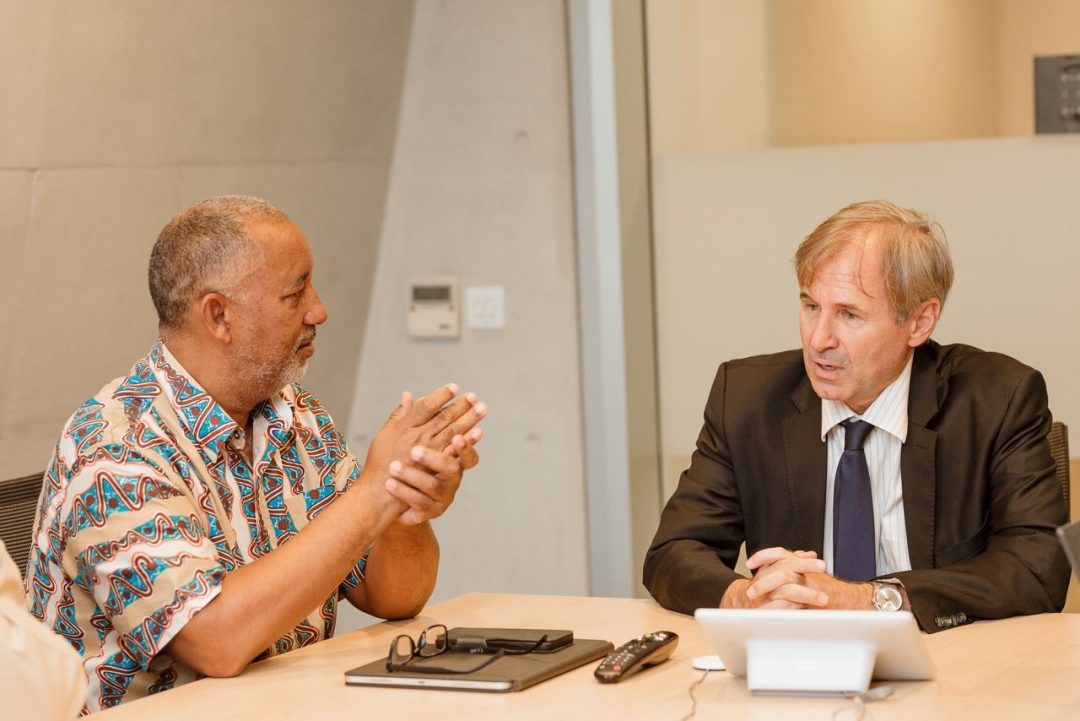
The partnership between the Millennium Development Authority (MiDA) and the International Finance Corporation (IFC), focused on developing large-scale agribusiness enclaves, is a good plan because it starts with something Ghana’s agricultural reforms often skip: research, feasibility, and intentional design. The enclaves located in Kasunya, Oti, and Afram Plains span nearly 50,000 acres and are being […]