
IMANI Quarterly Brief on Ghana’s 2017 Budget Performance
Quarter one targets for import duties, non-tax revenue and grants missed by 23, 21 and 53 percent, respectively. Expenditure targets missed by 14 per cent.. The current government arguably won last December’s 2016 elections convincingly against the backdrop of a series of commitment to reforms geared towards reviving the Ghanaian economy. By their nature, reforms […]
Facilitating Trade in Ghana: More Work Needed to Improve Revenue Performance
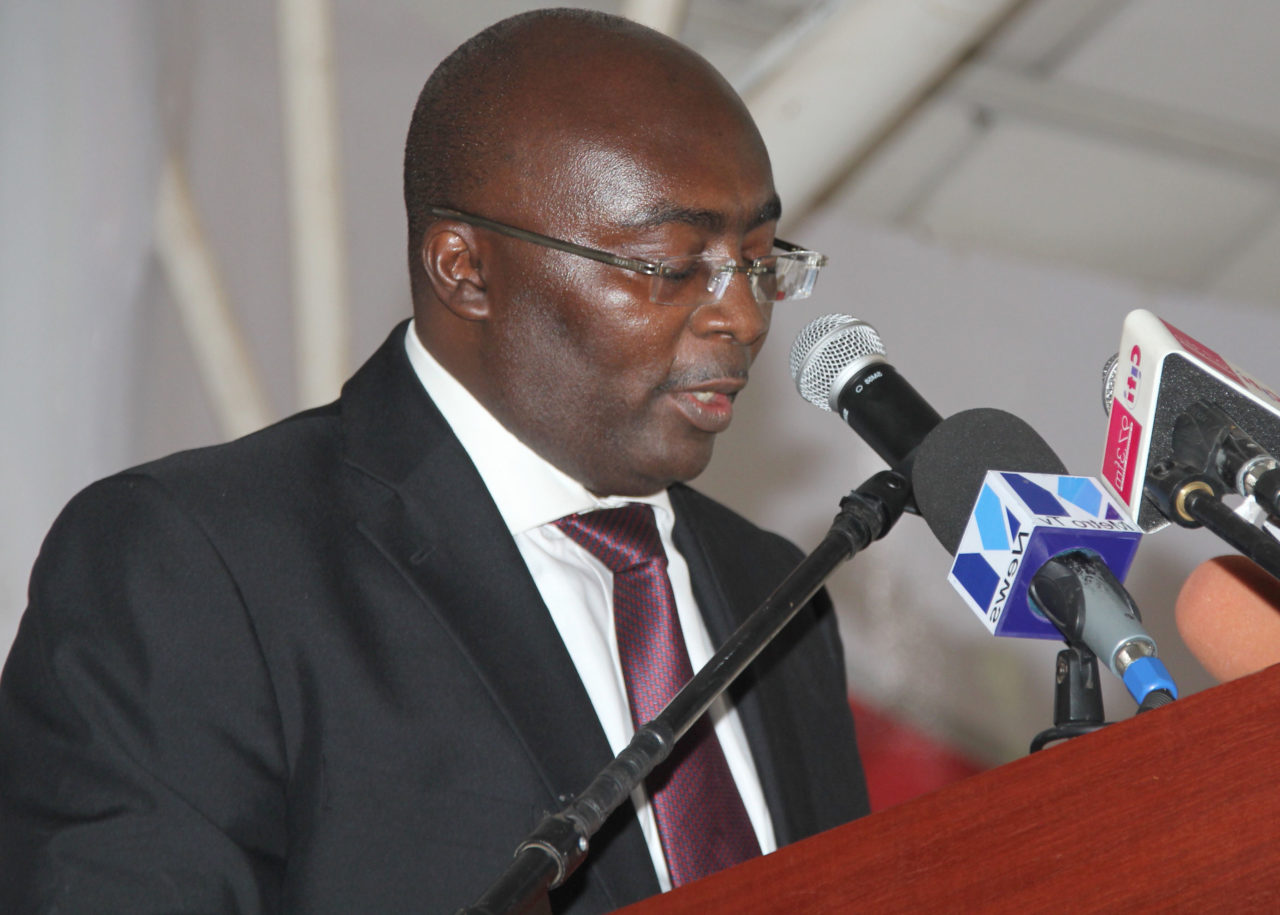
Good Work, Dr. Bawumia and NPP Government on Trade Facilitation. More work needed to improve Trade Revenue Performance. By Franklin Cudjoe Ports and Harbours journalist, Samuel Agyeman reports that ‘’The Vice-President, Dr. Bawumia has just announced 3 major policy ideas which are expected to improve port efficiency in Ghana. These are essentially; (1) From 1st […]
IMANI Education Series: Low-Fee Private Schools could help achieve goal of ‘Basic Education for All’ in Africa
Low-Fee Private schools cater to those living on less than $2 a day. In Ghana, it costs $1 per week to educate a child in a low-fee private school while it costs nearly $4 in public schools with different quality outcomes. Low-Fee Private schools cater to those living on less than $2 a day. In […]
Conflict of interest: Hank Paulson comes to Ghana
Whenever someone with significant working experience and investments in the financial sector is appointed as finance minister or becomes president, suspicions of conflicts of interest abound. By By Atsu Amegashie This is finance minister, Ken Ofori-Atta’s situation. Kwabena Duffuor, being an owner of a bank, was in a similar situation when he served as finance […]
IMANI Insight: The AMERI Power Deal Was Over Priced And Over Paid
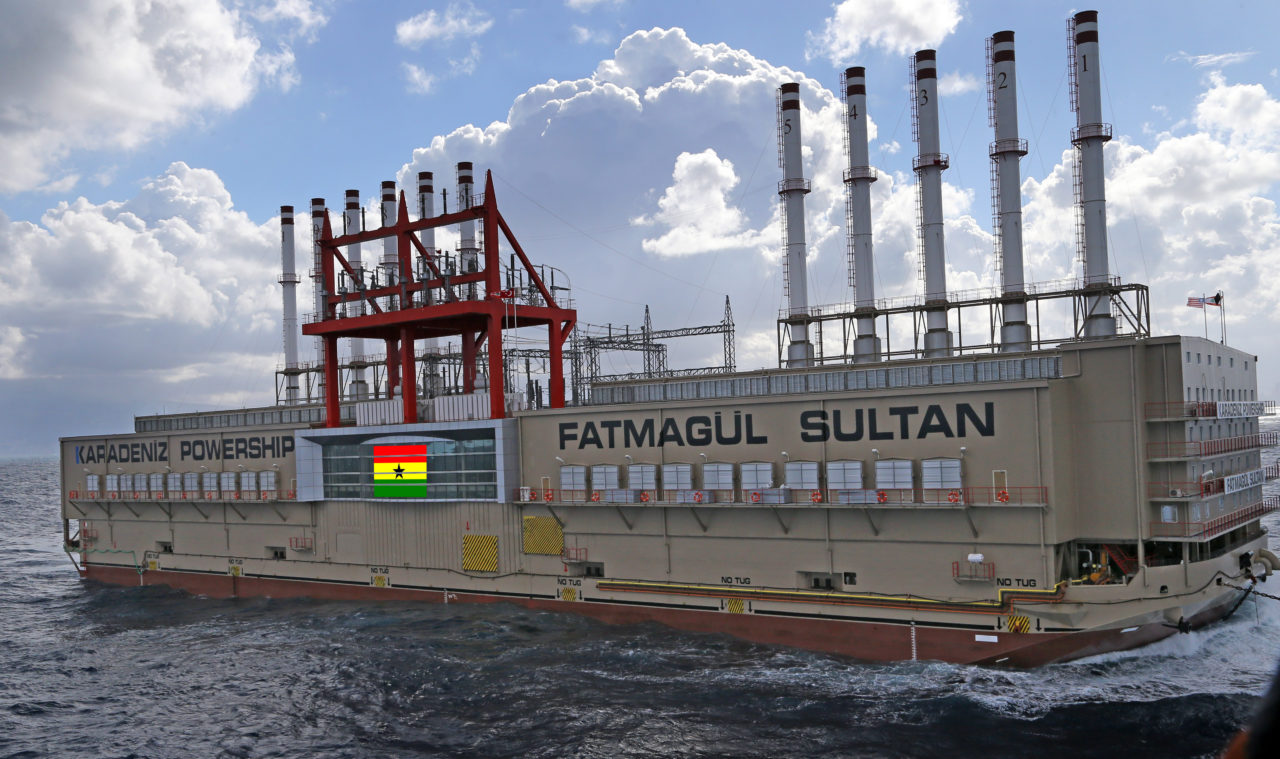
Editor’s Note There seem to be so much misunderstanding over a controversial emergency electric power arrangement the previous Ghanaian administration made in order to reduce the crumbling effects of erratic power on the Ghanaian economy. Notwithstanding a 17-member enquiry set up by the current government into alleged illegality and financial impropriety, there is still lingering […]
IMANI’s Quick Picks from Ghana’s Post 2016 Election Budget
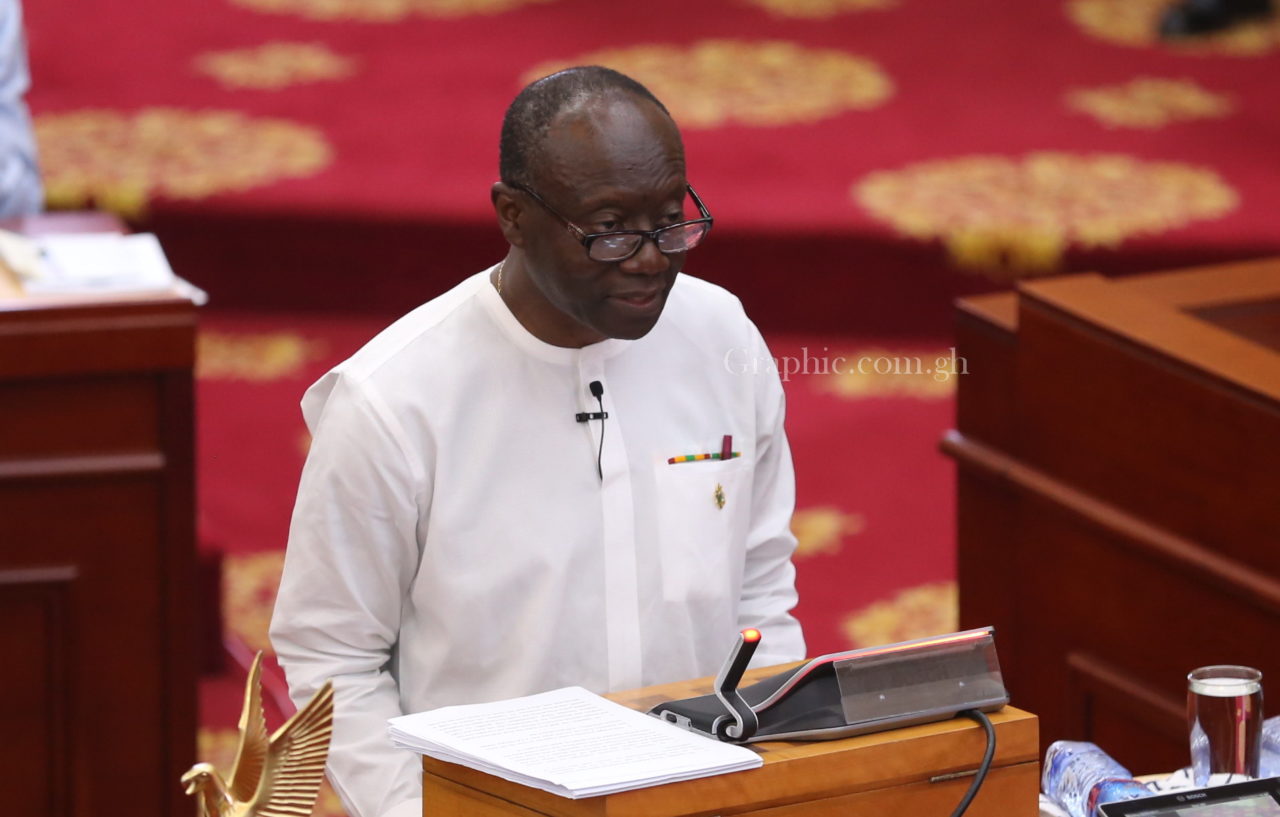
Yesterday, Ghana’s Finance Minister, Mr. Ken Ofori- Atta presented his maiden budget to Parliament. The minister christened his budget ‘’ Asempa Budget’’ in the Twi language, loosely translated as ‘’Good news Budget’’. The general feeling is that the Minister passed his first test given the replication of major campaign promises in the budget. The structure […]
IMANI’s 2017 Pre-budget Litmus Test for Government
Ghana’s new administration will be exactly 54 days old when it presents its maiden budget on March 2, 2017. Below are random questions put together by some staff of IMANI on energy, economy, education, health and infrastructure (railways, roads, aviation, science & technology, water, sanitation and communications). IMANI will present its preliminary assessment of the […]
IMANI ALERT: Clash over Gas Policy: The Highest Point of Vetting of Ghana’s Nominee Energy Minister
By Bright Simons | Vice President, IMANI (Honourary) I have this nagging feeling that because of the constant focus on trivia, many observers of the ongoing vetting proceedings miss moments of importance when they occur. One such fine moment was when the MP for Asawase engaged the President’s nominee for the post of Minister of […]
Notes from my official EU Visit: Ghana’s New Trade Minister Must Consolidate the EPA, not Abrogate it
Last week I urged the new Ghanaian government to be guided by pragmatism in listening to advice from all quarters, but be far sighted in adopting workable ones. I have heard some trade advocacy groups who paid a courtesy call on the then President-elect, Nana Akuffo- Addo, suggesting abrogation or review of the already ratified […]
IMANI’s Comments on 5 Key Economic Promises of the NPP
The New Patriotic Party (NPP) on Sunday, Ocotber 9, 2016 launched its 2016 manifesto at the Trade Fair Centre, Accra. IMANI takes a look at five key Economic Promises in the 2016 NPP’s Manifesto. Commentary & Analysis ~ 2016 Elections Pledge: Corporate taxes shall be reduced from 25% to 20% in an NPP administration. Capital […]
Ghana 2016 Elections: Through the Mirror of Nigeria’s 2015 Elections
Nigeria has repeatedly blown its chances at greatness over the years, the latest being an oil boom era that did not only leave the country as it met it – if not worse – but with fat domestic debts to boot. By Japheth Omojuwa | AfricaLiberty.Org Nigeria may be Africa’s big brother but it has […]
IMANI Recall: From promises to tales – the strategies political parties used to persuade the citizenry before December 7th 2012
This article seeks to narrate the 2012 elections based on the themes mentioned by representatives of the 8 political parties published in the Daily Graphic newspaper. It highlights the major threads some political parties preached prior to the elections. By Samantha Atta-Mensah Daily publications from April 1st 2012 to November 30th 2012 in the […]
Election Diaries: Events in Talensi and Bimbilla – The faces of Political Banditry and Hard Core Poverty
Elections signify the social contract that exist between the elected and the governed to exchange ideas on how to build a prosperous society for all. By Franklin Cudjoe | 2016 Elections Ghana Elections are supposed to be the most civilized way to get leaders for a people. They emphasize the arrival of a people to […]
IMANI Advice: How to make the Komenda Sugar Factory Work
The idea of reviving the Komenda Sugar Factory goes back many decades. Seeing as there does not appear to be significant private sector interest in the asset, and given the unemployment situation in the country, it is completely understandable that government would want to reactivate the project. There are however some important risks the government […]
IMANI Staff Opinion: Reporting the News on Taxation and Cocoa: How long will our media continue to fail us?
By Brian Dzansi is IMANI’s Social Media Manager and Researcher I heard somewhere that the best way to gauge a country is to listen/watch their media channels. This week once again exposed what we are made of as country — Our news content exposed our shallowness, lack of-attention-to details and dearth in critical thinking; Our TV/Radio ads similarly […]
Ghana’s IGP should be thinking, fast and slow; Not banning free speech – IMANI President
The Inspector General of Police (IGP) John Kudalor has announced the Ghana Police Service is considering blocking social media across the country on election day. Here is what IMANI President, Franklin Cudjoe thinks. By Franklin Cudjoe – Commentary | IMANI Africa I have been following the debate surrounding the tenuous consideration of a social media […]
IMANI Opinion : The Appointment of the Governor and the Autonomy of Ghana’s Central Bank
A year after Ghana’s independence, an economist called William Phillips published a paper titled, “The Relation between Unemployment and the Rate of Change of Money Wage Rates in the United Kingdom, 1861-1957” in the quarterly journal of Economica. A key observation of the paper was an inverse relationship between money wage changes and unemployment in […]
Mr. President, on your job creation speech today in Cape Coast; Get this done please
IMANI President Franklin Cudjoe writes to President John Dramani Mahama as he is set to address students of the Cape Coast University on job creation on the second day of his ‘Accounting To The People’ tour in the Central Region. By Franklin Cudjoe | IMANI Africa Good morning Mr. President. As you plan to speak […]
IMANI in The Africa Report :Ghana – Cote d’Ivoire: A new country, Ghanivoire could weld together West Africa
As the fireworks explode in clusters over the lagoon in Abidjan, the great grandchildren of independence-era leaders Kwame Nkrumah and Félix Houphouët-Boigny clink champagne flutes and move to the dance floor. By Franklin Cudjoe | IMANI Africa/The Africa Report Across the other side of the ceremony hall, the ink is drying on a document that dissolves […]
Franklin Cudjoe’s Preliminary comments on the resignation of the Governor of the Central Bank of Ghana
Ghana’s central bank on Tuesday announced that the governor, Henry Kofi Wampah, will step down on Friday ahead his compulsory retirement expected in August. Founding President of IMANI Africa, Franklin Cudjoe writes about this anticipated development. Franklin Cudjoe | IMANI Africa He did ensure that the banking industry was fairly expanded but evidently he allowed […]