
On the 16th of July 2025, a compelling and intellectually charged policy lecture hosted by the IMANI Centre for Policy and Education in partnership with the ATLAS Network drew a full auditorium of over 250 students and faculty at the University of Environment and Sustainable Development (UESD), Somanya in the Eastern Region.
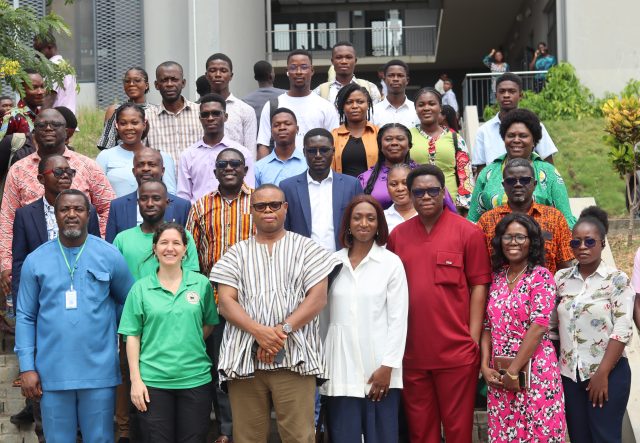
The engagement, themed “Promoting Economic Freedom: Addressing the Impact of Government Interventionism on Free Market Principles in Ghana,” provided a critical look at how recent regulatory measures, particularly the Cement Pricing Legislation (L.I. 2491) and the Cylinder Recirculation Model (CRM), may inadvertently undermine the market competitiveness and private sector development they aim to support.
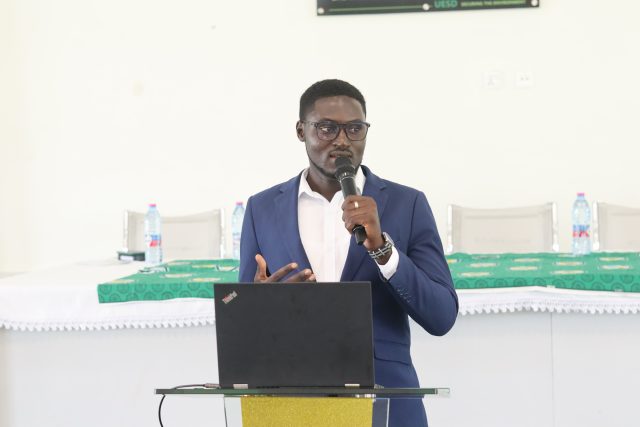
Reflecting on evidence from the Heritage Foundation’s Index of Economic Freedom and Ghana’s own development trajectory, the presentation highlighted the risks of state-led interventionism. The IMANI team warned that over-regulation in key sectors could distort pricing signals, discourage investment, and further widen the gap between policy design and on-the-ground impact.
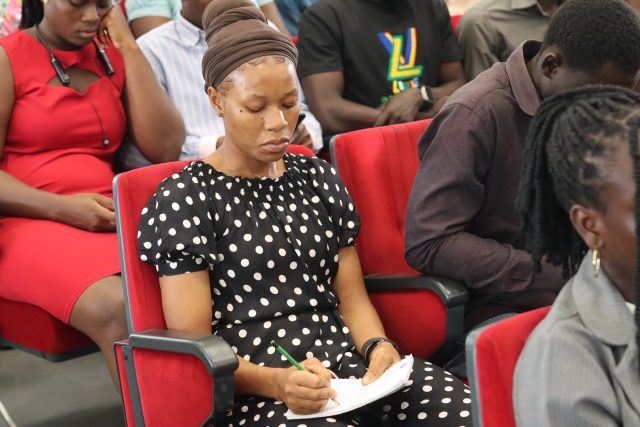
The true highlight of the lecture, however, was the reflection sessions led by the students. The attendees engaged the IMANI team in a rich and insightful exchange. Their key lessons, captured below, underscore the importance of preparing Ghana’s next generation for the complex world of policy design, economic governance, and sustainable development.
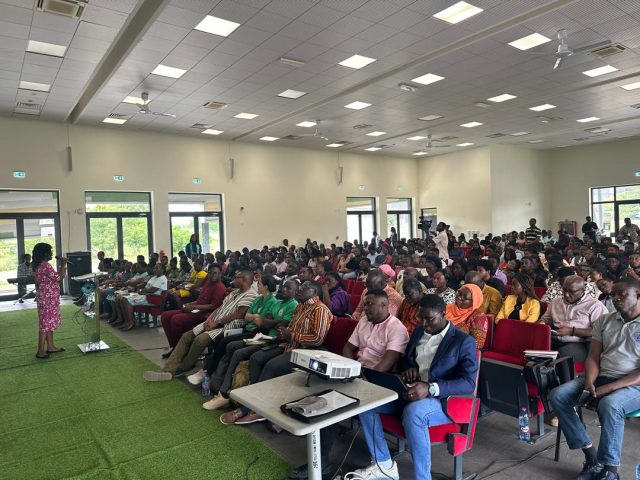
Key Insights from the UESD Participants
In a post-lecture dialogue, students shared thoughtful and candid reflections on what the session meant for their understanding of economic governance in Ghana. Here are some of their direct responses:
“Economic freedom is a collective responsibility.”
“Government interventions should not deter producers and small-scale enterprises from expanding or growing, but rather help them improve and contribute to building a free economy.”
“There’s a need for the government to be involved in market pricing, but only after engaging with producers to understand the true cost of goods and services.”
“Government intervention should be necessary when it comes to private industries, but if government must intervene, there should be some form of leverage or support to help industries reduce prices effectively.”
“As an Energy and Resource Economics student, I’ve gained great insight into the statistical trends and analysis of LPG usage. This will help me draw meaningful conclusions on energy production and consumption.”
“The key lesson for me is that effective policy implementation in critical sectors like energy and construction requires a balance between public safety, affordability, and local industry development. For policies to succeed, governments must consider infrastructure, stakeholder interests, and consumer needs simultaneously.”
“I now understand economic freedom to mean that any individual or consumer has the right to purchase or consume goods and services independently. Ghana has moderate economic freedom, but faces challenges like corruption, high public debt, and weak property rights. These limit the country’s full potential.” — Josephine Teye
“Government interventions are not always necessary, especially when they disrupt the natural role of market demand and supply in determining prices.”
“Free markets increase GDP and reduce poverty. The more open the market, the greater the benefit for the economy.”
“There is a wide gap between government policies and the realities on the ground—especially with initiatives like the gas filling model.”
“If government is going to intervene in private industry, there must be measures in place to support businesses, otherwise it risks doing more harm than good.”
“For a market to be considered free, there must be less government intervention. Let demand and supply determine the prices of goods.”
“I learnt so much about economic freedom and its high-level benefits for economic growth. It also promotes and encourages people to choose more economically friendly fuels.”
“Government interventions are not really necessary, because they disrupt the role of demand and supply in determining prices.”
“A free economy reduces poverty.”
The engagement was widely praised by faculty and students for its clarity, relevance, and evidence-driven approach. UESD administrators noted that the session not only deepened policy knowledge but encouraged independent thinking on how to improve governance outcomes. With the ATLAS Network’s global perspective and IMANI’s reputation for independent, research-backed advocacy, the event demonstrated how strategic civil society-academic collaboration can inspire informed action.
Having engaged brilliant minds at the University of Ghana and now at UESD, we look forward to bringing these vital conversations to more institutions across the country.
Full presentation file:
 Loading...

 Reload document
 Open in new tab
Watch the full lecture on our YouTube channel:
Stay connected with us on X, Facebook, LinkedIn, and Instagram @IMANIAfrica for more highlights from such engagements!


