When Ghanaians talk about our economy, the words are never abstract. We are speaking about the unpaid teacher whose salary arrears stretch on for months. We are speaking about the market woman whose tomatoes cost more each week because of inflation. We are speaking about the contractor who delivers on a government project but waits years for payment. Behind every figure on debt or arrears is a real human story. That is why the creation of a Fiscal Council matters.
For decades, we have lived through the same cycle. As elections approach, spending shoots up, rules bend, and debts pile high. When the music stops, it is citizens who are asked to tighten their belts while the nation stumbles back into another IMF programme. The numbers tell the story. Public debt climbed to around 93 percent of GDP by the end of 2022. Domestic arrears reached about 6.3 percent of GDP by the end of 2023. Energy-sector debts hovered around US$1.6 billion. These are not statistics; they are the cost of our children’s education, our health care, and our livelihoods.
On Wednesday, August 27, at Tang Palace Hotel in Accra, a different kind of conversation took place. The Ministry of Finance, the Constitutional Review Committee, IMANI Centre for Policy and Education, and the International Institute for Sustainable Development invited Ghanaians to discuss how to make the new Fiscal Council work. The Finance Minister and his Chief Director were represented, Bank of Ghana officials were there, CEOs of key state institutions joined, economists from government and civil society engaged, and ordinary citizens, development partners, and the media filled the room. Franklin Cudjoe of IMANI Africa, who issued the invitation, reminded everyone that this was not another talk shop. It was an attempt to design a council that will not exist only in law, but in practice, in the lives of Ghanaians.
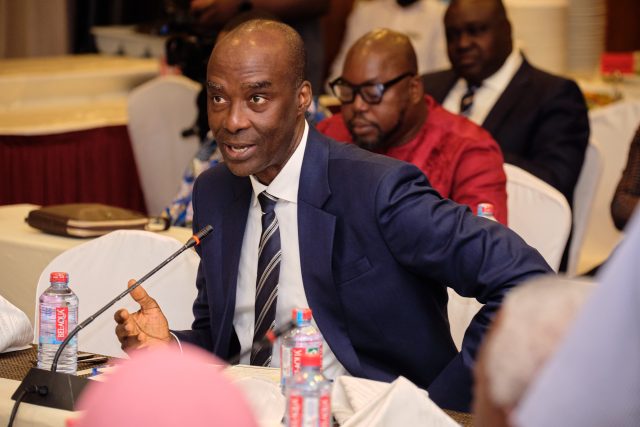
The discussions were frank. Many asked how the Council will remain truly independent. We have seen too many institutions branded as “independent” only to be sidelined once they challenged power. People wanted to know if the Council’s staff and leaders would be chosen for competence rather than political loyalty. Others raised the issue of data. We all know that fiscal rules mean nothing if the data behind them is unreliable or hidden. How will the Council ensure that ministries, agencies, and state-owned enterprises deliver timely and accurate numbers, and will there be penalties if they do not?
Participants did not shy away from the realities of politics either. Ghana’s political culture of patronage networks, election-year excesses, and off-budget commitments has often wrecked fiscal discipline. Could the Council speak truth to power in such a climate without being branded partisan? Citizens wondered whether the Council would only check deficits after the damage is done, or whether it would be empowered to test big policies and projects before they distort the fiscal framework. And there was wide agreement that the Council’s reach must extend to the so-called “black holes” of our finances—SOE arrears, energy debts, and hidden liabilities.
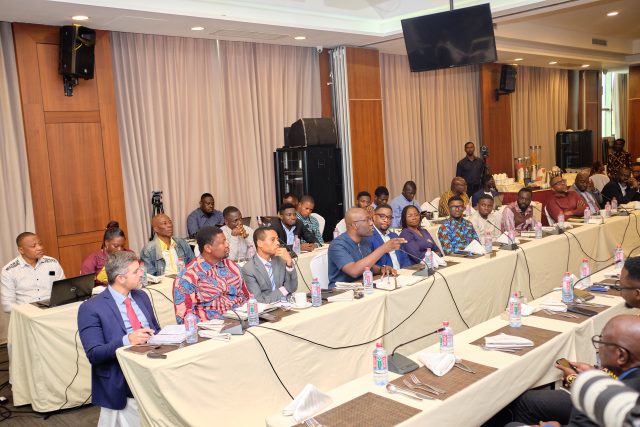
Perhaps the most passionate interventions came when people spoke about trust. Independence, they said, is not only about legal protections but about how the Council communicates. If its findings are buried in jargon or hidden on shelves, the public will not care. But if the Council explains in plain language what the numbers mean for inflation, for jobs, and for debt, then Ghanaians will listen, question, and hold leaders accountable.
At the same time, participants were realistic. They warned that the Council will fail if the Executive captures its appointments or budget. It will fail if it is starved of resources or if agencies continue to provide poor data without consequence. It will fail if its reports are politicized or ignored. And it will fail if it narrows its scope to deficits and ignores the liabilities that actually break our finances.
But they also pointed to what success would look like in five years. A Council that publishes its reports on time and in public view. A Council that helps Ghana improve its fiscal balance by even half a percent of GDP each year. A Council that reduces arrears, lowers the cost of borrowing, and makes hidden liabilities visible. A Council that becomes a trusted voice, not because it flatters the government, but because it tells citizens the truth in language they can understand.
This is the promise of the Fiscal Council. It is not an economist’s toy or a donor’s experiment. It is a tool for ordinary Ghanaians to ensure that the people’s money is managed with care. The dialogue at Tang Palace was just the beginning. Parliament must now entrench the safeguards, the Executive must resource and respect the Council, state institutions must provide the data, and citizens must read, question, and use the Council’s findings.
Ghana has walked this road before and stumbled. This time, we must keep our footing. The Fiscal Council can only succeed if it is ours—not theirs. It must belong to the teachers, the traders, the nurses, the students, and every citizen who carries the burden of reckless spending. For once, let us build an institution that is not captured by the moment but anchored for the future.
By: Kay Codjoe