4TH JULY 2024
IMANI Meets Representatives of Government Agencies to Discuss Investment Challenges and Opportunities for Shared Benefits and Growth.
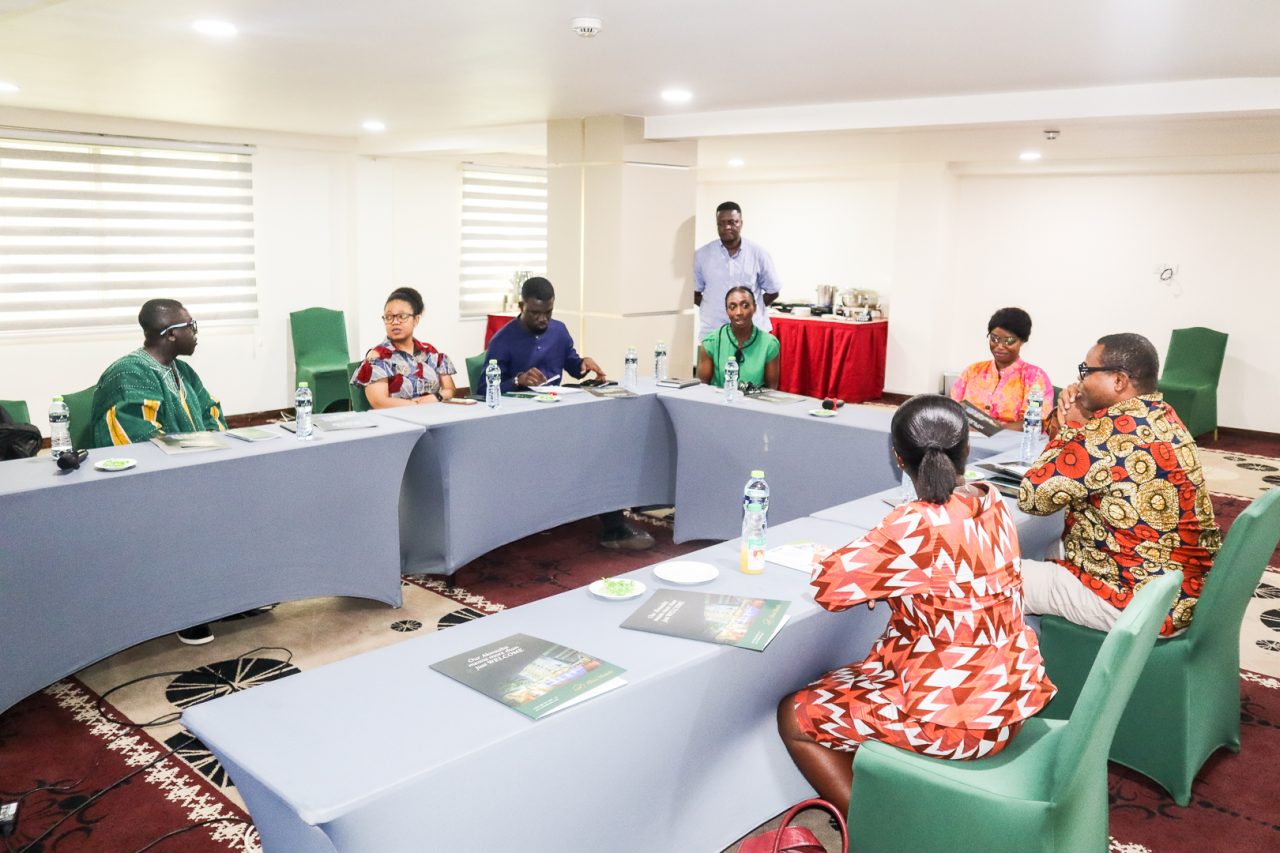
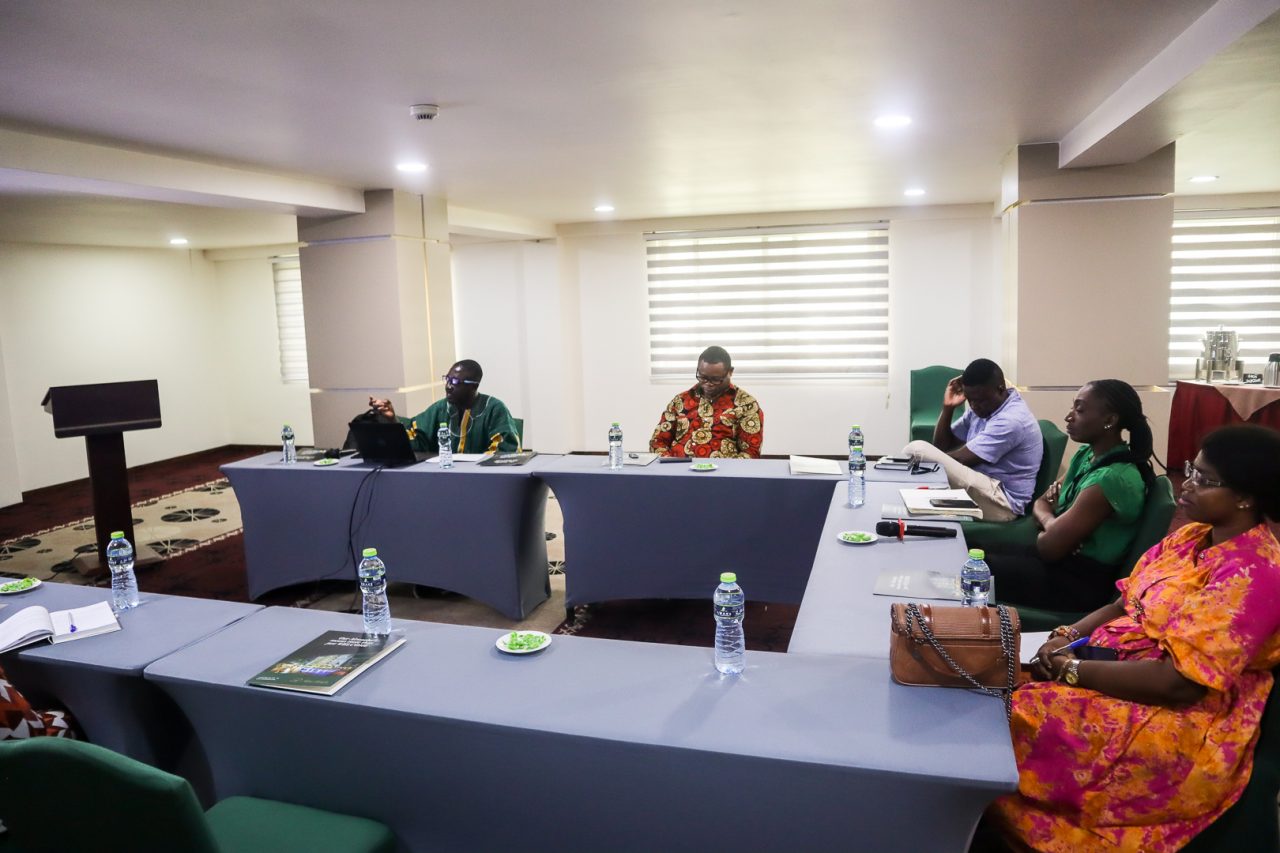
July 4, 2024 – IMANI Centre for Policy and Education organized a stakeholder meeting with representatives of the Ministry of Trade and Industry, Ghana Export Promotion Authority, and the Ghana Investment Promotion Centre to discuss its recent survey report conducted in collaboration with the Ghana-Netherland Business and Cultural (GNBCC) on the challenges and opportunities in Ghana’s investment climate and the implications for foreign investment and overall private sector development. The agencies were represented by Madam. Lillian Dome Yeng (Deputy Chief Industrial Promotion Officer), Madam. Serwaa Dankwah (Principal Export Development Officer), and Madam. Eugenia Okyere (Head of Research) respectively. The meeting was held at the Alisa Hotel, North Ridge.
A perfect storm of mostly domestic macroeconomic mismanagement and some external constraints has severely affected the investment climate. Key policies implemented by the government to respond to the macroeconomic crisis have not been favourable for foreign investors and the broader business community.
IMANI and GNBCC’s survey report highlighted the challenges to investing in Ghana, the future investment outlook of foreign investors, and the entry points to address the existing constraints in the business environment. The sample size of the study was seventy-nine (79) out of one hundred and ten (110) registered members at the GNBCC by the end of 2023. Out of the target of 79 respondents, forty-four (44) responses were received, indicating a response rate of about fifty-six per cent response rate.
Amprofi Agyemang, a Senior Research Associate at IMANI, opened the discussions by expressing IMANI’s gratitude to the representatives of the three significant organisations for honouring the invitation. He emphasized that the meeting was part of IMANI’s strategy to shape the government’s policies and interventions to create a supportive investment climate in Ghana.
Dennis Asare, a Senior Research Associate at IMANI, presented the findings of the survey to the participants. The presentation touched on the characteristics of foreign investments by Dutch investors, the cost of doing business, the challenges investors face in the business environment, and the future investment outlook by the members of GNBCC.
Dennis explained that about two-thirds of the businesses engaged were subsidiary companies; however, a third of them are wholly established in the country. A similar number of the businesses can be described as SMEs, as their staff size is below fifty (50). More than fifty per cent of their employees are Ghanaians. Thus, creating a stable investment climate can potentially boost job creation.
Furthermore, almost half of the firms engaged rely on blended financing (domestic and external) to finance their investments, which reflects the low domestic capital available to the private sector.
The findings indicate that about six out of ten businesses have witnessed at least a twenty-five per cent to fifty per cent increase in the major cost items between 2022 and 2023, reflecting among other things, the overall increase in the cost of doing business occasioned by high inflation, exchange rate crisis and high-interest rates. In addition, two out of ten of the businesses engaged have experienced a growth in the major cost items below twenty-five per cent, and a similar number experiencing between fifty-one per cent and seventy-five per cent increase in the major cost components. Overall, the businesses reported a high cost of doing business, evidenced by the high growth in the key cost components of the businesses.
Despite the relatively high cost of doing business, the firms are experiencing relatively high returns on profits and revenues in Ghana compared to their investments in other African countries. The findings show that only twenty-five per cent of the respondents have investments in other countries in Africa, indicating that Ghana is the main point of operation for almost seven out of ten of the businesses engaged in the survey.
Despite these constraints, the firms expressed high optimism about their investment outlook in Ghana. About fifty-five per cent of the businesses indicated that the cost of doing business in other countries in Africa where somewhat low compared to Ghana, and forty-five per cent also indicated that the cost of doing business in other countries is fairly low compared to Ghana.
These findings raise critical concerns about the competitiveness of the businesses in Ghana compared to other countries in Africa. Cost competitiveness can potentially influence the investment behaviours of the businesses engaged in pursuing the opportunities in other countries where they have relatively lower costs compared to Ghana.
The firms strongly protested the weak infrastructure and regulatory institutions’ support in Ghana’s investment ecosystem. The key challenges the investors faced were complex regulatory and compliance procedures, excessive taxation, bureaucratic discretion of public officers, and improper institutional coordination.
Responding to the results of the survey, Mad. Serwaa Dankwah explained that the Ghana Export Promotion Authority recognize that aligning the regulatory institutions is important to addressing the bureaucracy in the quality assurance processes in the business environment. The Ghana Export Promotion Authority has taken the initiative to host the Ghana Standard Authority, Food and Drugs Authority, and the Plant Protection and Regulatory Standards Division, which are the key agencies in the regulatory processes to reduce the waiting time for receiving licenses and other certifications, particularly for exporters. Also, these agencies work together, efficiently, to address complaints. However, they may not be able to address all challenges that come to them. She added that exporters do not pay export duties or fees, however, they are likely to incur some costs due to regulatory charges. Nonetheless, there have been reports that some of the exporters incur some unofficial costs at the port.
“GEPA has instituted some measures to address the regulatory and compliance barriers exporters encounter in securing permits and certifications. Currently, we have a desk at GEPA that houses the Ghana Standards Authority, Food and Drugs Authority, and the Plant Protection and Regulatory Services Division. It is a one-stop shop for all the regulatory complaints and certification issues for exporters. Typically, exporters do not have to pay anything apart from a few regulatory charges, but there are reports that some of the exporters encounter challenges leading to paying something at the port” – Madam. Serwaa Dankwah, Ghana Export Promotion Authority
Madam. Serwaa Dankwah, Head of Training – Ghana Export Promotion Authority
Madam Lillian Yeng from the Ministry of Trade and Industry responded to non-market issues such as regulatory issues, compliance and bureaucracies that affect the investment climate. Madam Yeng explained that most of the challenges investors face can largely be attributed to limited access to information about existing reforms implemented by the government. She added that the government has created an online portal that would become a one-stop shop for all business information, legal and regulatory reforms, and any relevant information for investors. The Business Regulatory Reform Portals (BRR) has been launched by the government and the relevant agencies continue to update the portal to ensure that investors have the necessary information to do their business and avoid the unofficial fees and bureaucracies in the compliance process.
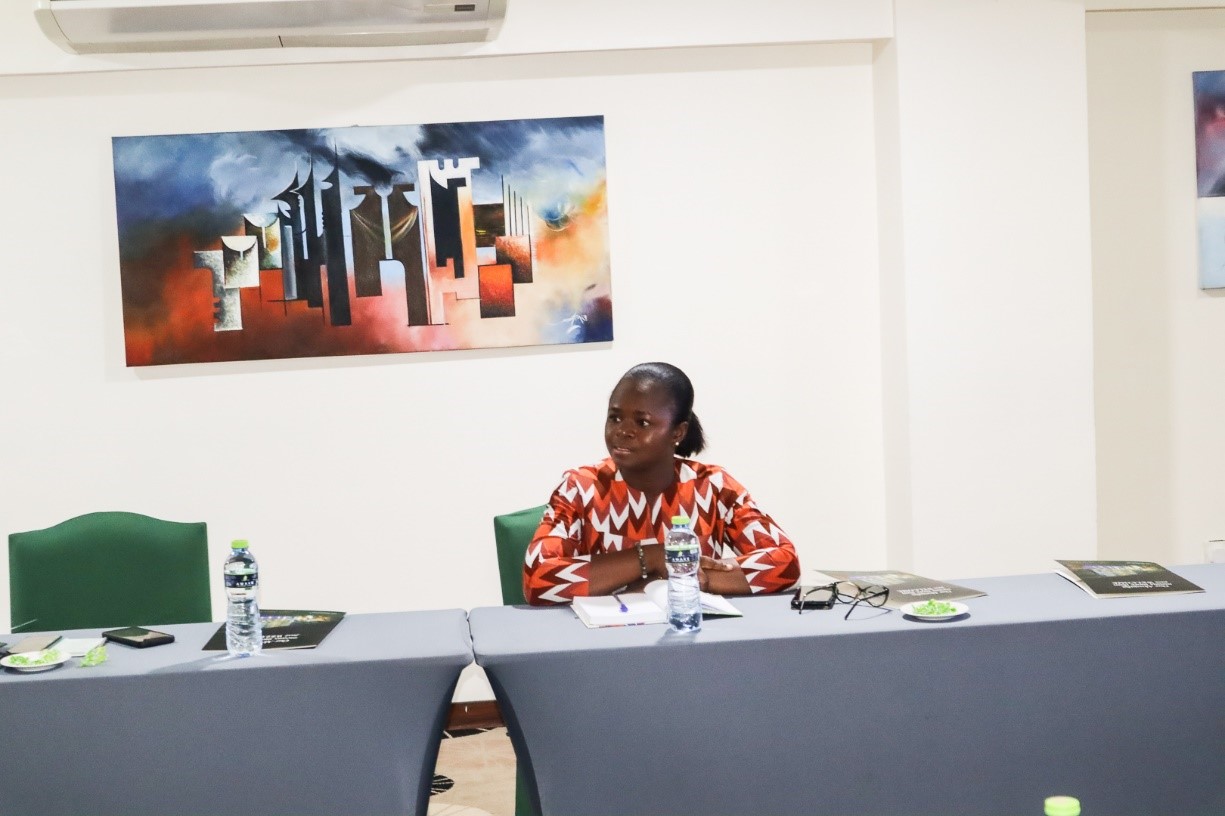
Madam. Lillian Yeng, One District-One Factor Programme, Ministry of Trade & Industry
Furthermore, the BRR serves as a platform for soliciting views of stakeholders on legal and regulatory matters that affect investors. Public agencies involved in business regulation can post their legal and regulatory amendments on the BRR portal for some number of days and solicit the opinions of the stakeholders through the platform. She also mentioned that the information on the portal can be sorted based on sectors or the nature of business, which makes it easy for investors to navigate the platform. However, she added that most businesses may not be aware because of the low publicity of the BRR. On the issue of delays in contract and legal enforcement, she added that was mainly with delay challenges with the court system; however, reform efforts were underway to accelerate issues related to contract enforcement. Also, the delays in infrastructural development particularly outside the main business enclaves continue to create challenges for businesses who want to site their businesses close to the production source.
“I think some of the non-market challenges such as the bureaucracies and compliance issues are largely because of lack of awareness and limited information on the requirements of the regulatory processes in the industry where these businesses operate. The Ministry of Trade and other agencies have created the BRR to serve as a single information point where investors can find relevant information relating to legal, regulatory, tax and other matters that affect businesses. They can find all the tax information that pertains to their sector or nature of business. This can help them avoid bureaucracy and abuse of discretion by public officials. On the BRR, you will know the kinds of taxes you are required to pay, and thus no official can come around to tell you other things that are not listed at the BRR. Also, the BRR provides the opportunity for the business community to make inputs into legal and regulatory reforms. Moreover, I think the challenges associated with limited physical infrastructure can be associated with the delays in ramping up the needed infrastructure in areas that the ministry has identified as essential for business development. There was an inter-ministerial committee ahead of the One District-One Factor policy, however, the lack of commitment from other agencies has affected the plan for infrastructure development envisaged under the programme.”- Madam. Lillian Yeng, 1D1F Programme, Ministry of Trade and Industry.
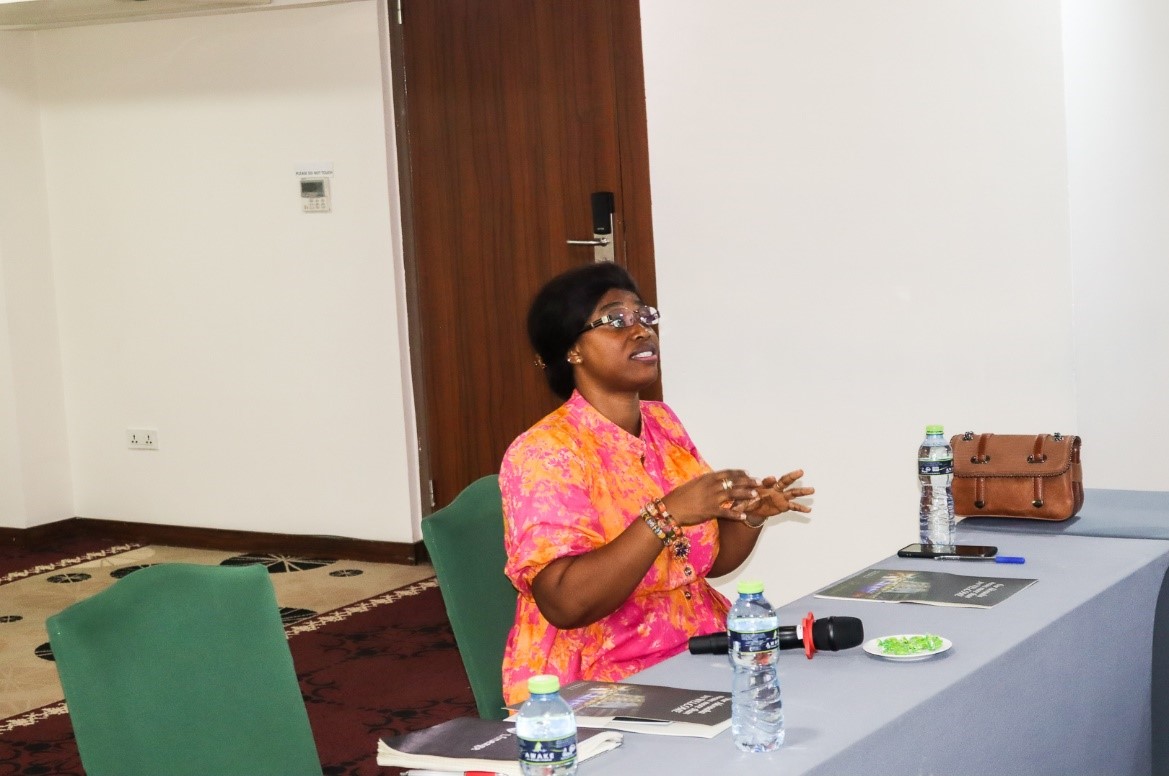
Madam Eugenia Okyere, the head of research at the Ghana Investment Promotion Centre (GIPC) responded to the survey results by sharing existing initiatives to address challenges investors face and solutions to enhance investment climate in Ghana. She explained that the GIPC has recently received the results of the business environment and investor surveys that track the challenges to investing in Ghana, and the findings reflect the results of the survey conducted by IMANI and GNBCC. The GIPC will conduct similar surveys and map the results against surveys like the IMANI and GNBCC’s outcomes to understand the pattern of problems and other lingering issues affecting investors. She added that the GIPC has implemented initiatives such as the CEOs Breakfast Meeting with foreign investors and other relevant private sector players as a channel for understanding the challenges investors face. Furthermore, the GIPC has also formed an inter-agency dialogue programme that helps them to share the challenges of the investors with the relevant state-side actors. The inter-agency dialogue is expected to accelerate the implementation of business reforms that directly address the challenges investors face in Ghana.
Madam. Eugenia Okyere, Head of Research – Ghana Investment Promotion Centre
Madam Eugenia Okyere further explained that the GIPC Aftercare Programme consistently engages foreign investors and private sector actors to understand their challenges and direct them to the relevant agencies that can support them. She added that the Ministry of Trade’s BRR is also one of the supportive initiatives the GIPC is promoting to increase the awareness of investors about the policies, regulations and laws that relate to their sector or nature of business. The BRR will also support the investor grievance mechanisms to reduce the waiting time and address the expenditures arising from the delays in addressing investor grievances. This is expected to improve investor protection and enhance their experiences and trust in the investment climate.
“I think the survey results reflect the existing feedback we have received from investors through other surveys. GIPC will also conduct its investor survey to understand the pattern of issues and the lingering problems affecting the ease of investing in Ghana. The GIPC has implemented several initiatives to ensure that investors’ grievances are heard, and urgent steps are taken to address them. For instance, the CEO’s Breakfast Meeting is one of the channels for hearing the challenges investors face and supporting them with the needed information to address the issues. Also, we have the GIPC Aftercare programme that consistently engages investors to ensure that we receive timely feedback from the investors and provide urgent support. Furthermore, GIPC has formed an inter-agency dialogue that brings together all the relevant state-side actors to convey the challenges of investors and facilitate reforms that support investors. Moreover, the BRR is another innovative platform to address information asymmetry and increase investors’ awareness of reforms and solutions to address their constraints. Also, the BRR provides sufficient opportunities to increase investors’ participation in policy reforms. The GIPC also embarks on regional sensitization to dialogue with businesses across the country to learn about their challenges and educate businesses on existing and new business reforms. We will consistently improve these initiatives to provide more support to foreign investors in Ghana.”- Madam Eugenia Okyere, Head of Research, Ghana Investment Promotion Centre.
The three able representatives concluded that continuous collaboration and engagement between investors and the government is one of the smartest approaches to increasing the government’s awareness of the barriers to investing in Ghana and aligning business reforms to the needs of investors. Furthermore, the government will continue to implement measures to boost local production by addressing the market and non-market issues that impede the ease of doing business in Ghana. The Ghana Export Promotion Authority added that they are working to expand the export trade house to other countries as a way of boosting exports. Also, the Ministry of Trade mentioned that they will continue to sensitize investors and private sector players about the benefits of using the BRR and encourage more consultation between the government and the business community. GIPC also mentioned that their Aftercare Programme and Inter-Agency Dialogue are better positioned to respond to the needs of investors, and they will leverage avenues like the BRR to increase investors’ awareness of the policies and reforms that affect their business. Also, they will improve their customer relationship management system to improve their engagement with investors.
GIPC provided an update on the GIPC Act amendments. They mentioned that there are considerations to remove the initial capital requirements for investors. Currently, the bill is at the committee stage and GIPC is conducting direct meetings with the private sector and other stakeholders to shape the outcome of the Act. It is expected that the bill may reach the plenary stage by the end of the year. Also, the Ministry of Trade and Industry mentioned that Ghana is working on its Sensitive Product List as a requirement under the AfCFTA. The sensitive product list is expected to incentivize local production of products that Ghana has a competitive advantage.
Closing Remarks
Mr. Franklin Cudjoe, the Founding President and Chief Executive Officer of IMANI CPE closed the meeting by reiterating the need to create a stable and supportive investment environment for the private sector. He added these meetings are expected to improve the collaboration between the government and CSOs. Also, he mentioned that the meeting was insightful and expressed his gratitude to the participants.
Photo Gallery